Economic and Financial Reforms Moving Ethiopia from Stabilization to Economic Transformation: DPM Temesgen - ENA English


Economic and Financial Reforms Moving Ethiopia from Stabilization to Economic Transformation: DPM Temesgen
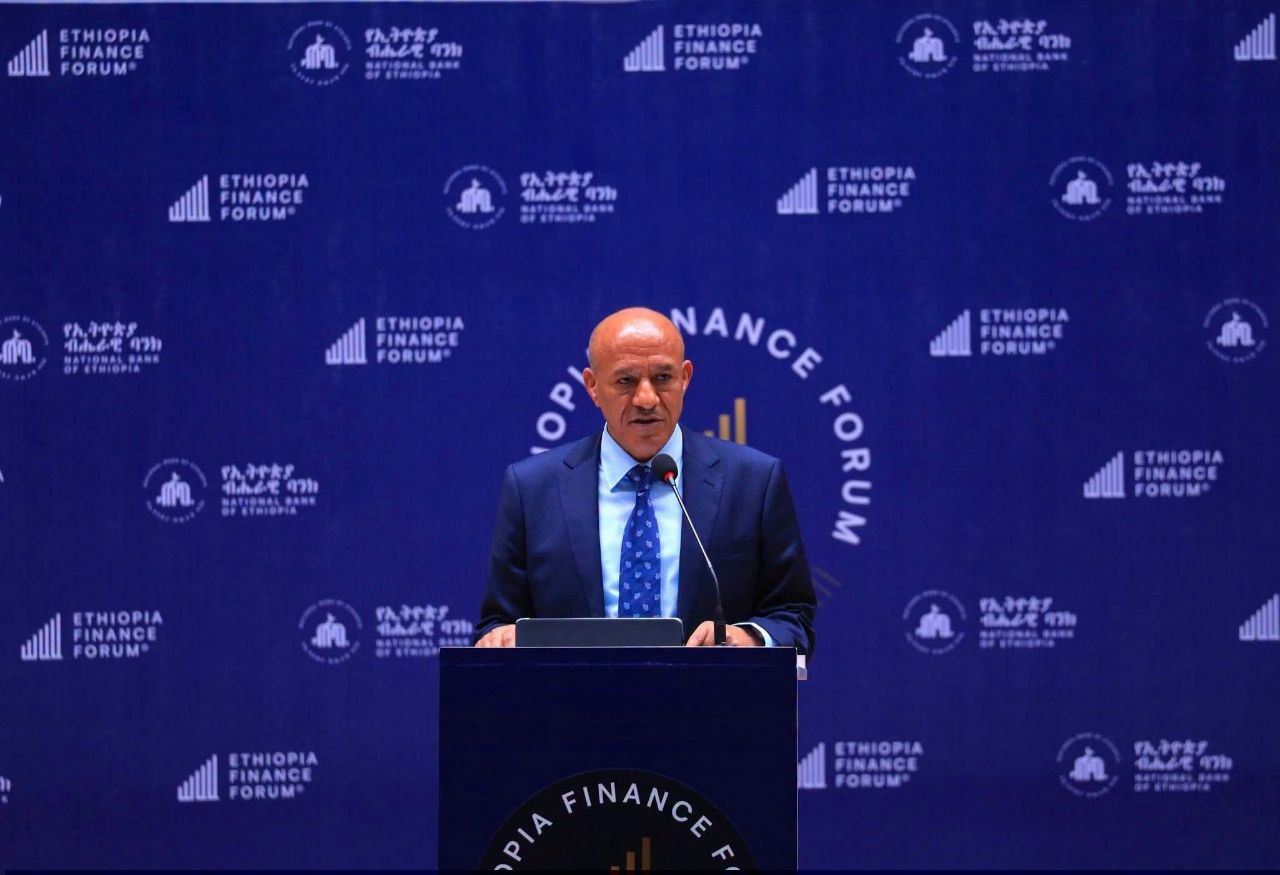
Addis Ababa, September 29, 2026 (ENA) — Ethiopia has been pursuing economic and financial reforms that aim at moving the country from stabilization to economic transformation, Deputy Prime Minister Temesgen Tiruneh said.
Opening the second Ethiopia Finance Forum, the DPM said the country has undertaken major reforms in the foreign exchange market, monetary policy and financial-sector regulation, while opening sectors to competition and investment.
“Nations do not transform themselves by choosing only what is easy. They transform themselves by doing what is necessary, and by sustaining that course long enough for reform to become institutions, for institutions to create confidence, and for confidence to create opportunity,” he elaborated.
Deputy Prime Minister Temesgen pointed to improvements in exports, reserves and government revenues as well as easing inflationary pressures.
He also noted improved access to foreign exchange and the easing of constraints affecting private investment.
The success of reforms should however be ultimately measured by their impact on citizens, he added, stressing that farmers, young people, women entrepreneurs and MSMEs should be able to access finance and expand their businesses.
According to the DPM, capital is more than money and all depends on confidence in institutions, laws, markets and policy credibility.
“Our response to uncertainty will not be retreat. It will be stronger institutions. Our response to pressure will not be abandonment of reform. It will be deeper reform. And our answer to those who doubt Ethiopia’s future will not be rhetoric alone; it will be results,” he noted.
The next phase of reform will focus on moving from stabilization to transformation through expanded financial inclusion, agricultural finance, investment and deeper financial markets, Temesgen announced.
The agenda also includes housing finance, insurance, depositor protection and modern financial-market infrastructure.
Moreover, he highlighted digital transformation, cybersecurity, consumer protection and financial literacy as key elements of the financial-sector reform agenda.
The government cannot deliver the transformation alone, the DPM stated, calling for stronger cooperation among the private sector, financial institutions, investors and development partners.
Ethiopia’s growing domestic market, young population and potential in agriculture, manufacturing, energy and services create significant opportunities.
Temesgen stressed that economic growth must be inclusive and extended to financing opportunities to women, youth, farmers, MSMEs and communities beyond major cities.
“Our task is therefore not merely to make finance larger. It is to make finance work better—more competitive, more innovative, more inclusive, more resilient, and more deeply connected to the productive economy.”
The DPM urged forum participants to identify practical solutions and make concrete commitments, stressing that policies deliver results only through implementation.
He reaffirmed the government’s commitment to macroeconomic stability, responsible reform and a competitive private sector that expands opportunities for Ethiopians.
The three-day Ethiopia Finance Forum, running from September 29 to October 1, has brought together policymakers, financial institutions, investors, development partners and private-sector leaders.


