Ethiopia Expands Digital Transformation in Higher Education - ENA English


Ethiopia Expands Digital Transformation in Higher Education
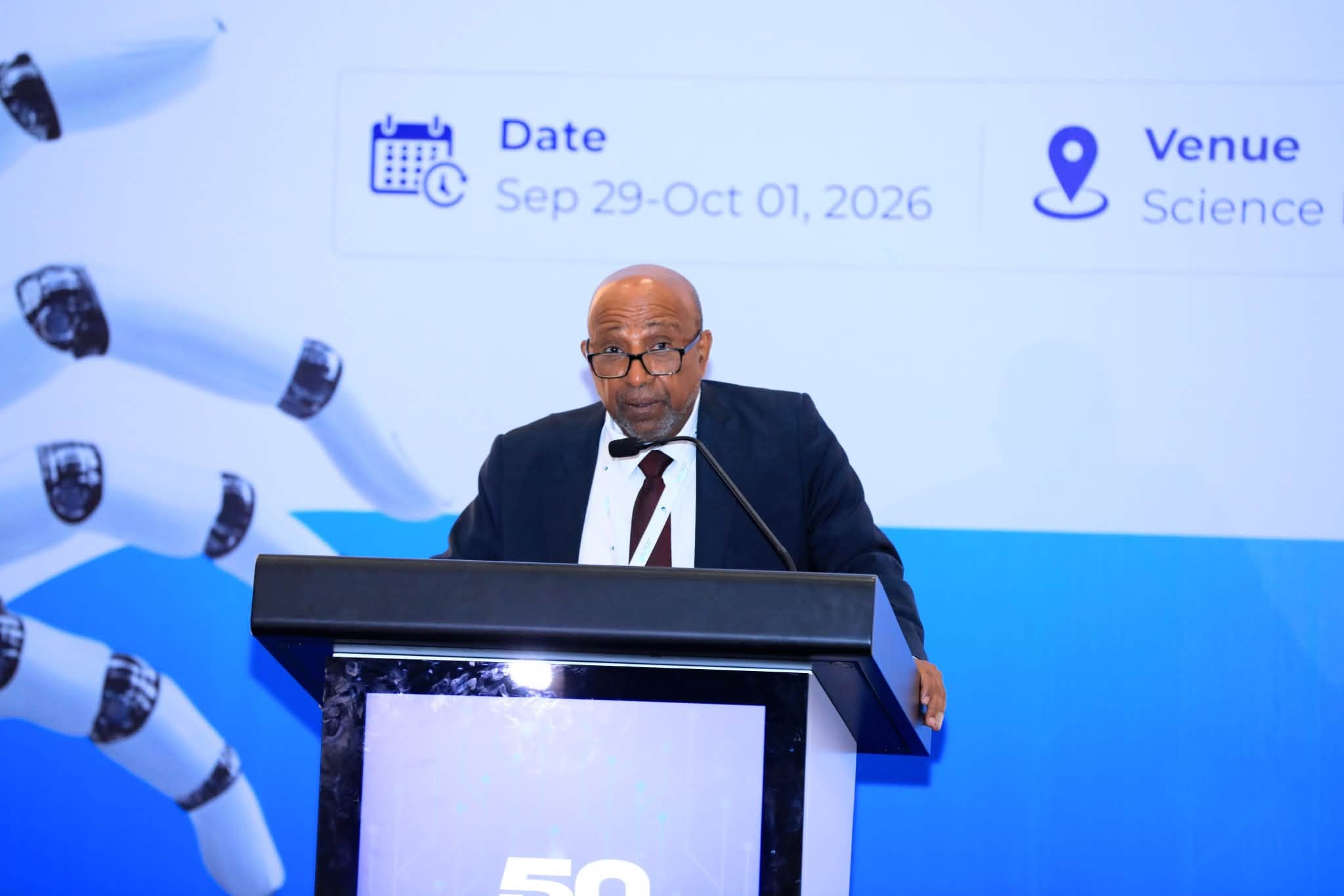
Addis Ababa, September 29, 2026 (ENA) — Ethiopia is expanding digital transformation across higher education institutions, with online, blended and micro-credential learning being introduced as part of the education system, Education Minister Berhanu Nega said.
Delivering the key message of the STRIDE Ethiopia 2.0 Summit 2026, Education Minister Berhanu Nega said Ethiopia’s progress in digital infrastructure and legal frameworks must be matched by developing the human capacity needed to translate these advances into economic and social benefits.
The digital transformation in higher education is being implemented on a broad scale, enabling university teachers and students to benefit from online, blended and micro-credential learning opportunities, Berhanu said.
The expansion of digital learning is helping create opportunities for students to learn beyond traditional campus-based education, he elaborated.
Efforts are also underway to strengthen digital literacy among students and teachers, enabling them not only to use digital tools but also to search for, evaluate and create information and apply technology for education and work.
Ethiopia has also begun integrating artificial intelligence (AI) technology into the education system, Berhanu said. Teachers are being supported to use AI tools for lesson preparation, content development, student support and assessment.
AI is being introduced to strengthen teachers’ capacity rather than replace them, Berhanu said.
Significant efforts have been made to digitalize education information systems, including the Education Management Information System (EMIS) and Higher Education Management Information System (HEMIS).
The systems are being strengthened to organize and connect data on students, teachers, educational institutions and educational outcomes, supporting a more data-driven education system, he said.
Strengthening connectivity and digital infrastructure is another major component of the reform, Berhanu said.
This includes connecting universities and schools through networks, strengthening data centers and cloud services, and expanding digital education and research networks, he added.
The goal of the reform is to shift the education system from paper-based processes to digital systems, from fragmented information to integrated data, and from traditional learning methods toward digital and AI-supported education.
The goal is not to use technology for technology’s sake, but to use technology to improve the quality, accessibility, equity and effectiveness of education, Berhanu said.
Berhanu also stressed the need for the education system to adapt to an era in which AI can perform many tasks traditionally associated with memorization.
“We cannot continue with an education system that rewards memorization,” he said, emphasizing the need to develop students who can ask questions, think critically, identify problems and work together with machines.


