Ethiopia-Djibouti Pipeline to Revolutionize Fuel Logistics, Strengthen Trade Corridor: EIH CEO - ENA English


Ethiopia-Djibouti Pipeline to Revolutionize Fuel Logistics, Strengthen Trade Corridor: EIH CEO
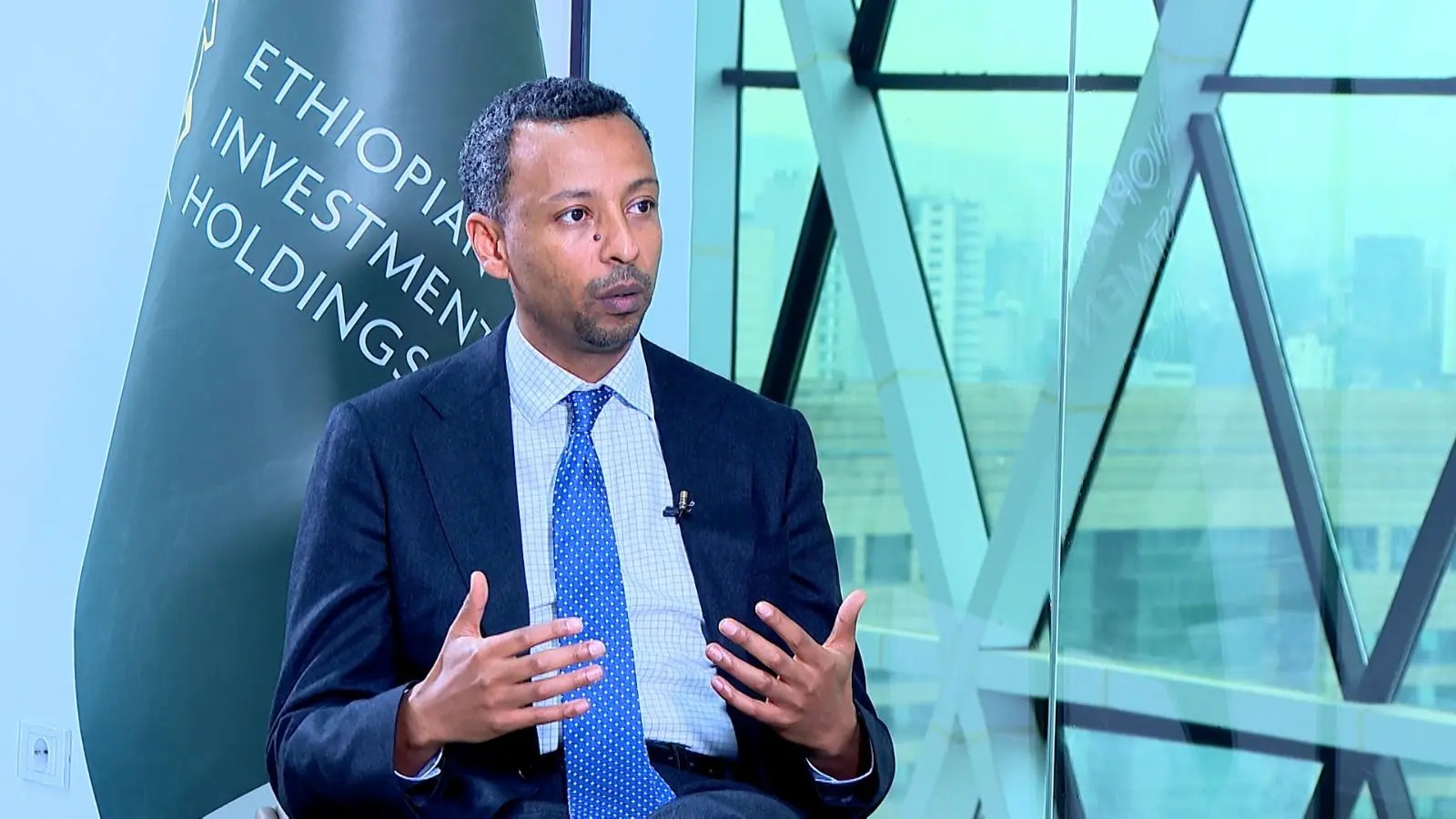
Addis Ababa, September 25, 2026 (ENA) —The newly launched Ethiopia-Djibouti petroleum products pipeline will transform fuel logistics by reducing reliance on tanker trucks, cutting transport costs, easing corridor congestion and accelerating fuel deliveries, Ethiopian Investment Holdings (EIH) CEO Brook Taye said.
Ethiopia, Djibouti and the Dangote Group on Thursday announced plans to develop a 120-kilometre refined petroleum products pipeline linking Damerjog in Djibouti to Dewele in Ethiopia, with combined capacity of more than one million cubic metres.
The project is being developed through a partnership between Ethiopian Investment Holdings and the Dangote Group.
The announcement was made in the presence of Ethiopian Prime Minister Abiy Ahmed, Djibouti President Ismail Omar Guelleh and Dangote Group President Aliko Dangote.
Ethiopian Investment Holdings CEO Brook told The Pulse of Africa that the planned 120-km petroleum pipeline will reduce reliance on tanker trucks, cut logistics costs, ease congestion and speed fuel delivery. The project is expected to improve Ethiopia’s competitiveness while strengthening the strategic Ethiopia-Djibouti trade corridor.
The project is focused on finding a more efficient way of transporting refined petroleum products from Djibouti to Ethiopia. He said Ethiopia currently imports petroleum products through Djibouti, where vessels unload the products into storage depots before they are transported to Ethiopia by tanker trucks.
According to Brook, the current system involves transporting petroleum products by road for about 750 kilometers, which he described as “the most inefficient way” of transporting the products.
“The most efficient way of doing it would be pipeline,” Brook said, adding that pipeline transportation is safer, more secure and more competitive in terms of cost.
He said the infrastructure would allow Ethiopia to transport what he described as its most expensive import in a more efficient way.
Brook also pointed to the costs associated with delays at Djibouti's port under the current system.
He said vessels can be delayed when tankers or storage facilities are not available, resulting in significant demurrage costs.
“When the vessel arrives in Djibouti right now, the vessel will be stuck and will pay a huge amount of demurrage because the tankers are not there, the depot is not ready, or there are many different issues,” Brook said.
He said the new infrastructure would allow vessels to unload their cargo immediately into the depot, after which the petroleum products could be transported through the pipeline toward Ethiopia.
Brook said the system would also reduce the time required to move petroleum products from the arrival of a vessel in Djibouti to their delivery in Ethiopia.
“This would enable us to be efficient, reduce the amount of time it would take from unloading the vessel all the way to get it to Ethiopia by a significant number of days,” he said.
Brook also highlighted the large number of trucks currently used to transport petroleum products along the Djibouti-Ethiopia corridor.
He said around 35 percent of the trucks operating on the corridor are transporting petroleum products, amounting to more than 1,000 vehicles a day.
According to Brook, this contributes to congestion and high carbon emissions along the corridor and is one of the reasons Ethiopia is seeking to shift petroleum transportation toward pipeline infrastructure.
Brook said the project would provide both direct and indirect revenue and economic benefits. “There are two important revenue streams,” he said.
“One is the direct income that will generate as a result of using the pipeline and the tank farm.”
He said the second benefit would come from efficiency gains across the economy.
Brook explained that companies using diesel, benzene and other petroleum products would benefit from lower costs and improved competitiveness as transportation becomes more efficient.
He said Ethiopian Investment Holdings will participate in the investment as an equity partner alongside the Dangote Group and will represent the government's interests in the project.
The Ethiopian Investment Holdings CEO said the pipeline project is part of a broader effort to ensure that different products are matched with the most appropriate form of transportation.
“The fundamental understanding now when it comes to logistics is unless otherwise you build the right type of infrastructure, unless otherwise you develop and match the product type with the right type of logistics and transportation model, your economy will lag and your competitiveness will be reduced,” Brook said.


