A Pipeline Linking Ports, Markets and the Horn’s Future - ENA English


A Pipeline Linking Ports, Markets and the Horn’s Future
By Henok Tadele Haile
Sept. 25, 2026 (ENA)
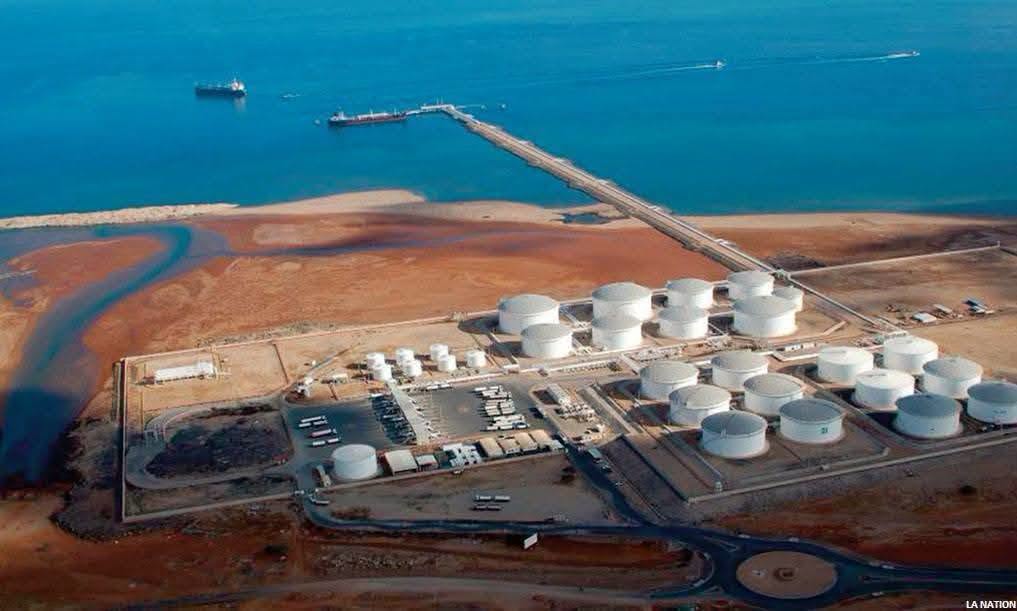
The Horn of Africa is on the cusp of a significant transformation, driven by a new 660 million USD infrastructure project. This project promises to revolutionize the way Ethiopia receives, stores, and distributes petroleum products. At the heart of this project is a 120-kilometer refined petroleum pipeline linking Damerjog in Djibouti with Dewele in Ethiopia.
The project is expected to reduce the journey time for fuel from five days to just one day, significantly improving the efficiency of fuel distribution in the region.
Prime Minister Abiy Ahmed noted: "Ethiopia, Djibouti and the Dangote Group will develop a 120-kilometer pipeline connecting Demerjog to Dewele with more than 1 million cubic meters of combined storage capacity at the two ends."
The storage infrastructure is substantial, with 375,000 cubic meters at Damerjog and 875,000 cubic meters at Dewele.
Dr. Brook Taye, CEO of Ethiopian Investment Holdings, explained, "The Dewele depot will play a dual role - first, it gives Ethiopia a major strategic reserve within our borders capable of sustaining the country for months; second, because it connects directly with our railway line, fuel distribution will occur via rail in addition to trucks, significantly cutting transit friction and overall transport costs."
The project is a result of a partnership between Ethiopian Investment Holdings and the Dangote Group, with an estimated investment cost of USD 660 million. The partnership reflects a broader approach to using public assets and strategic investment to attract capital, technology, and management expertise.
Aliko Dangote, the founder of the Dangote Group, has been a key player in this partnership, bringing his expertise and resources to the table.
The economic interdependence between Ethiopia and Djibouti is growing, with Djibouti providing Ethiopia with its principal maritime gateway and strategic access to international trade routes.
This partnership is a prime example of how regional integration can create mutually beneficial opportunities for economic growth and development. The two countries are working together to create a more integrated and connected economy, with the pipeline project being a key component of this effort.
At the inauguration speech, President Ismail Omar Guelleh of Djibouti emphasized the importance of regional integration, saying, "We are committed to working together with our Ethiopian counterparts to create a more integrated and connected economy. This pipeline project is a key component of this effort, and we believe it will have a significant impact on the regional economy."
He also noted: "The development of our infrastructure is crucial to our economic growth, and we are working tirelessly to create a more favorable business environment."
President Guelleh also highlighted the potential benefits of the project, saying, "This pipeline will not only reduce the journey time for fuel, but it will also create new opportunities for trade, investment, and economic growth. We believe that this project will be a game-changer for our region, and we are committed to seeing it through to completion."
The project will have a significant impact on the regional economy, creating new opportunities for trade, investment, and economic growth.
According to Aliko Dangote's vision, infrastructure gaps limit industrial growth and discourage investments. However, he views these gaps as an opportunity to build the foundations for economic transformation. With infrastructure, industry can thrive, jobs are created, and prosperity flows.
In conclusion, the 660 million USD petroleum project is a significant development that promises to transform the economic landscape of the Horn of Africa. The project will create a new economic geography, connecting Djibouti's maritime gateway with Ethiopia's inland economy, and demonstrate how infrastructure can turn regional integration into a business reality.
Key Benefits of the Project
Key Benefits of the Project includes reduced journey time for fuel from five days to one day, improved efficiency of fuel distribution, increased storage capacity, with 1.25 million cubic meters of combined storage, creation of a multimodal supply chain, connecting ports, storage facilities, pipelines, railways, and markets and enhanced economic interdependence between Ethiopia and Djibouti.
The project is expected to be completed within two years, and its success will depend on the ability of the partners to deliver on their commitments. As Prime Minister Abiy Ahmed said, "Announcements create expectations; delivery earns trust. We must now turn this commitment into a working pipeline." If delivered as planned, the project will have a lasting impact on the region, driving economic growth, and promoting regional integration.
Future Prospects
The project has the potential to create a new economic geography in the Horn of Africa, connecting Djibouti's maritime gateway with Ethiopia's inland economy. This will create new opportunities for trade, investment, and economic growth, and demonstrate how infrastructure can turn regional integration into a business reality. The success of the project will also depend on the ability of the partners to attract new investments, and to create a favorable business environment.
Regional Integration
The project is part of a larger effort to promote regional integration in the Horn of Africa. The region has significant potential for economic growth, with a large and growing market, and abundant natural resources. However, the region also faces significant challenges, including infrastructure gaps, and limited economic diversification. The project will help to address these challenges, by creating a new economic geography, and promoting regional integration.


