Advisor to Water Minister Rejects Interference in Sovereign Decisions or Restrictions on Right to Dev't - ENA English


Advisor to Water Minister Rejects Interference in Sovereign Decisions or Restrictions on Right to Dev't
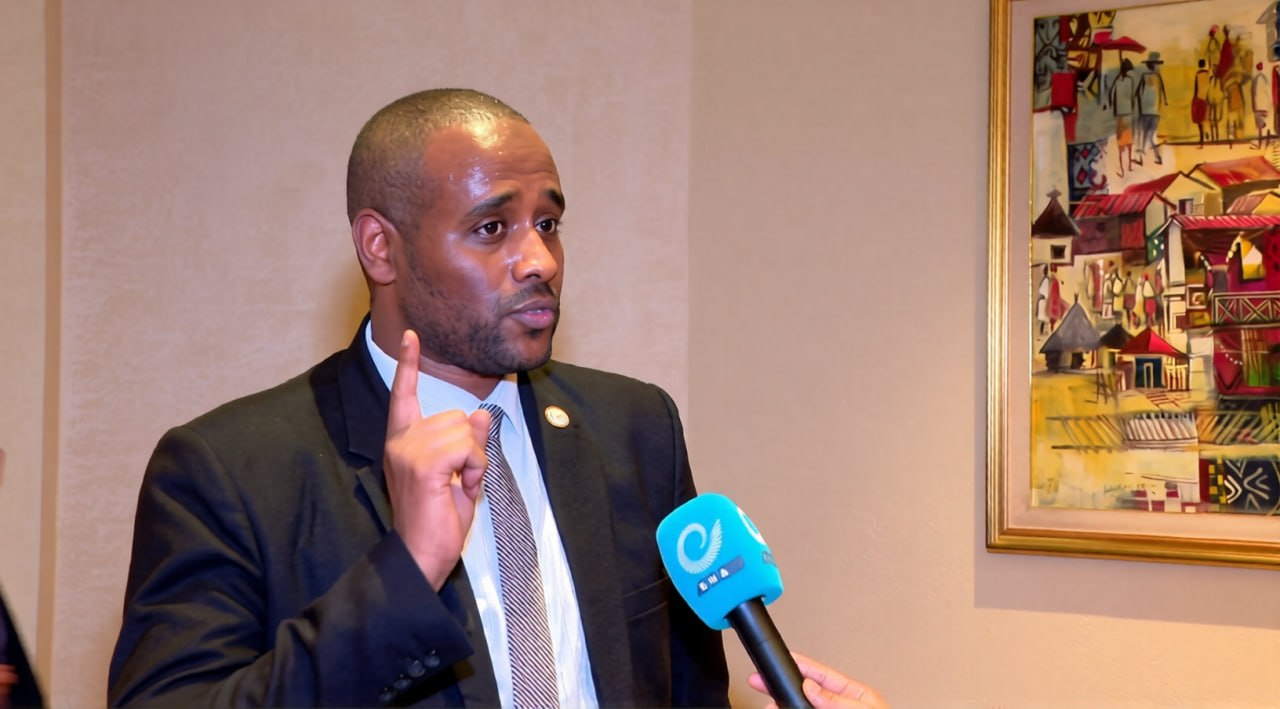
Addis Ababa, September 24, 2026 (ENA) — Ethiopian Water and Energy Minister’s Advisor, Mohammed Al-Arousi, underscored that Ethiopia will not accept interference in its sovereign decisions or restrictions on its right to development.
Strongly condemning the recent remarks of Egypt's Minister of Water Resources and Irrigation concerning the Grand Ethiopian Renaissance Dam (GERD), he told ENA that Ethiopia does not view the issue of dam construction as a confrontation with the Egyptian people.
The Advisor and member of the House of People's Representatives called on the Egyptian side to focus on its domestic challenges and work toward mechanisms that strengthen cooperation among Nile Basin countries.
Mohammed noted that Ethiopia’s dam development does not end with the Grand Ethiopian Renaissance Dam, pointing out that three new dams are in the pipeline.
The projects demonstrate Ethiopia’s continued implementation of its development agenda, despite external criticism and objections.
“Some of our brothers in Egypt may think that we are provoking them when we say that we are building dams on the Nile River. However, we affirm that these are Ethiopian rights from which we have been deprived; and Ethiopia is working to reclaim these rights,” the Advisor explained.
Mohammed added that Ethiopia does not view water development as a privilege requiring permission from another country, stressing that its natural resources constitute the foundation of its plans to expand electricity access and improve the living standards of its citizens.
Ethiopia will continue utilizing its natural resources and dam construction is part of the country’s right to pursue development and provide energy to its people, he underlined.
“We categorically reject all these (Egyptian) statements. Our country is a sovereign and independent state, and we absolutely do not accept interference in Ethiopia’s internal affairs.”
He elaborated that Ethiopia has long been deprived of exercising its full development rights in the areas of water and energy, and is now working to reclaim these rights through practical projects on the ground.
The Grand Ethiopian Renaissance Dam was not constructed to target Egypt, but rather to generate electricity and support Ethiopia’s economic and social development, the Advisor added.
Furthermore, the Advisor noted that the Nile Basin countries have become increasingly aware of the importance of protecting their natural resources and preserving their sovereignty, calling for cooperation mechanisms based on shared interests rather than continued disagreements.
Mohammed criticized Egyptian statements, including the remarks of the Egyptian minister, as provocative; saying that discourse among countries in the region should contribute to rapprochement and dialogue rather than deepen tensions.
He explained that Ethiopia responds to criticisms directed against it through the development projects it implements, rather than engaging in repeated political disputes.
Ethiopia’s dam and energy projects represent, according to him, a practical response to the need to expand access to electricity and advance economic and social development as the country continues implementing its plans in the energy sector.
The country will continue utilizing its natural resources in the interest of its people, the Advisor said, affirming that the development trajectory will not be halted by statements issued from abroad.
In conclusion, Mohammed emphasized that cooperation among Nile Basin countries remains the path toward addressing common challenges.


