Ethiopia Takes Digital Financial Inclusion to Center Stage at UNGA 81 - ENA English


Ethiopia Takes Digital Financial Inclusion to Center Stage at UNGA 81
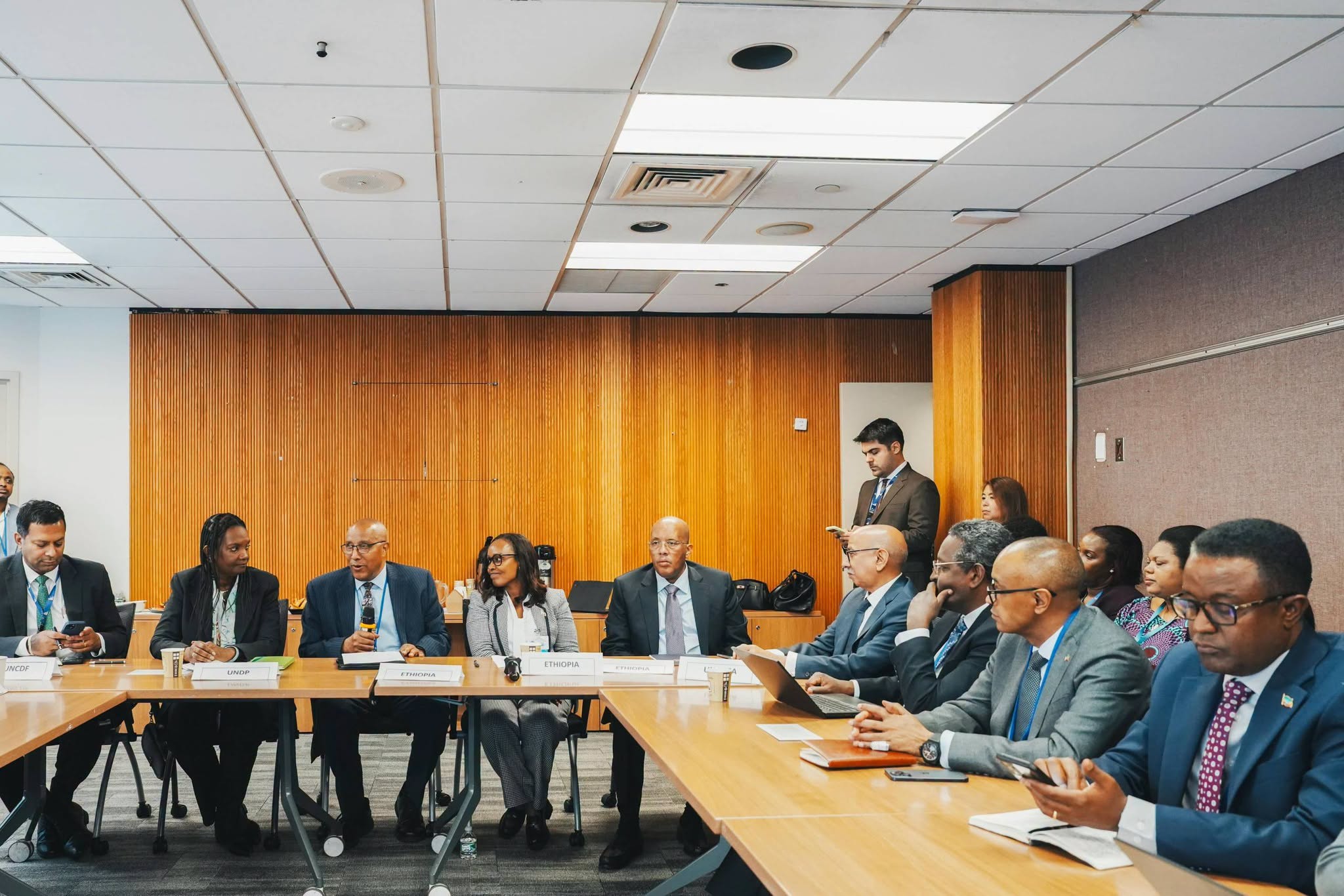
Addis Ababa, September 24, 2026 (ENA) —Ethiopia has placed digital financial inclusion at the center of its development strategy, highlighting the country’s rapid expansion of digital payments, national digital identity and digital public infrastructure as key tools for accelerating progress toward the Sustainable Development Goals (SDGs).
The message came at a high-level side event held on the margins of the 81st Session of the United Nations General Assembly (UNGA 81) in New York, jointly convened by the Permanent Mission of Ethiopia to the United Nations and the United Nations Capital Development Fund (UNCDF).
The event brought together government officials, development partners and private-sector representatives to examine how Ethiopia’s digital transformation is opening new avenues for economic opportunity, enterprise development, productivity and improved livelihoods.
At the heart of the discussions was a broader shift in Ethiopia’s approach: digital finance is increasingly being treated not simply as a financial product, but as part of the country’s foundational economic infrastructure.
Welcoming participants, Ethiopia’s Permanent Representative to the United Nations, Ambassador Tesfaye Yilma, highlighted the country’s digital transformation journey and the progress made in establishing an ecosystem for digital payments, digital identity and digitally enabled public services.
On her part, Minister of Planning and Development Fitsum Assefa, delivering the keynote address, said Ethiopia’s policy frameworks and digital initiatives are positioning financial inclusion as an important catalyst for SDG implementation.
She pointed to Digital Ethiopia 2030, the National Financial Inclusion Strategy, Fayda, interoperable payment systems and BRIDGE 2030 as key pillars of the country’s efforts to build an increasingly integrated digital economy.
Ethiopia’s national digital identity system, Fayda, has emerged as a particularly important component of this transformation, providing a foundational platform through which citizens can increasingly access financial and public services.
Minister and Advisor to the Prime Minister Getachew Reda underscored the wider economic implications of digital financial inclusion, emphasizing its potential to strengthen economic dynamism, broaden participation and raise productivity.
For development partners, the challenge now extends beyond simply connecting people to digital financial services.
UNCDF Executive Secretary Pradeep Kurukulasuriya stressed the importance of capital in enabling small businesses and emerging enterprises to invest, expand and create jobs, while drawing attention to persistent financing constraints in developing economies.
Navid Hanif, Assistant Secretary-General for Economic Development at the UN Department of Economic and Social Affairs (UNDESA), meanwhile, commended Ethiopia’s progress and emphasized the wider role of digital transformation and financial inclusion in advancing inclusive and sustainable development.
The discussions pointed to a critical next phase for Ethiopia’s digital transformation: moving from access to productive use.
That means ensuring that digital financial tools translate into tangible economic gains — enabling businesses to grow, supporting entrepreneurship, expanding access to capital, improving productivity and creating opportunities for people who have traditionally remained outside formal financial systems.
The side event also highlighted the importance of taking successful national innovations beyond domestic applications through greater investment, stronger public-private partnerships, South-South cooperation and regional integration.
For Ethiopia, the message at UNGA 81 underscored an emerging development model in which digital identity, payments, financial services and public infrastructure are increasingly interconnected as building blocks of economic transformation and SDG delivery, it was learned.


