Ethiopia Maintains Restraint Amid Unfolding ‘Trojan Horse’ Axis Provocation - ENA English


Ethiopia Maintains Restraint Amid Unfolding ‘Trojan Horse’ Axis Provocation
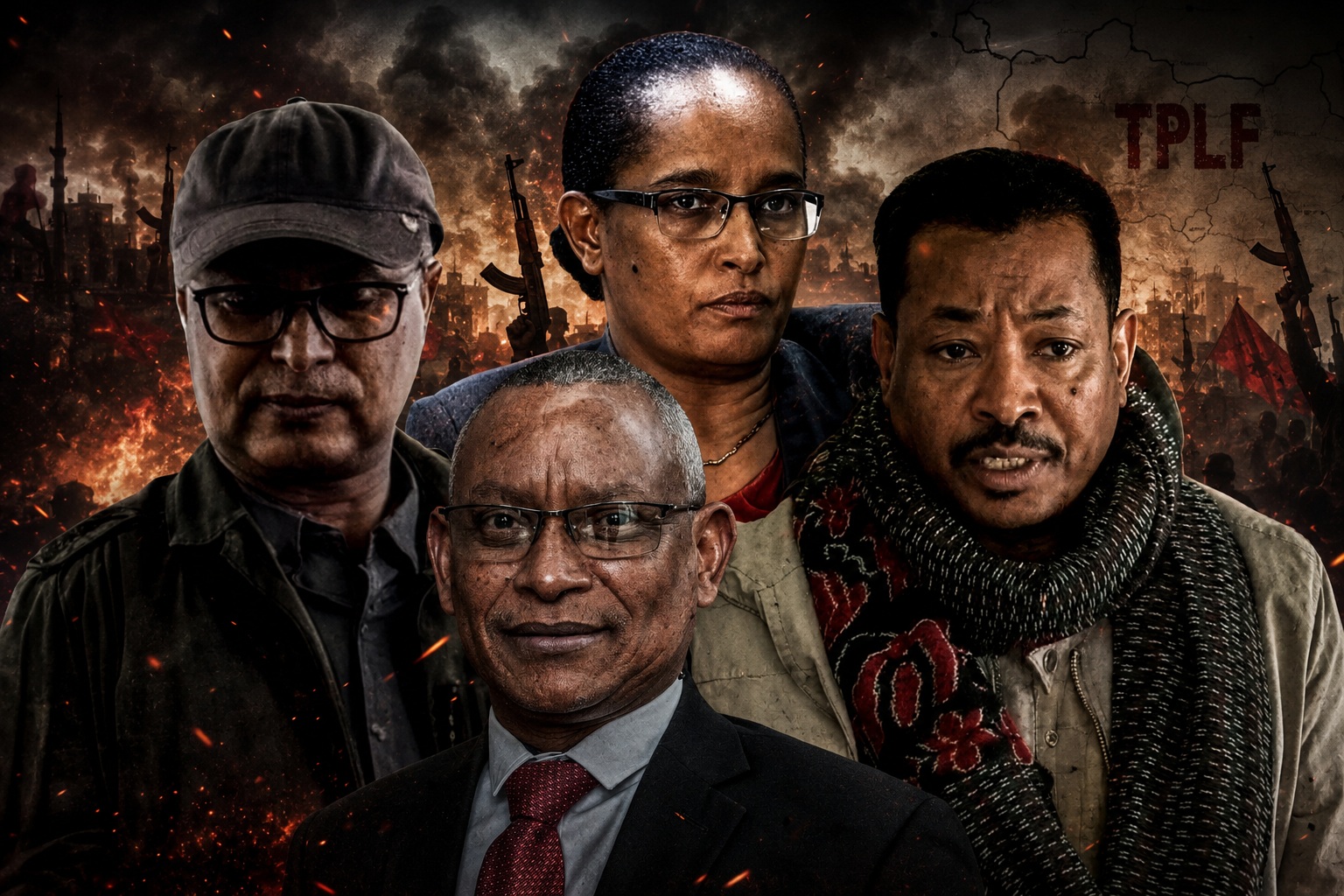
By staff writer
Sept. 23, 2026 (ENA)
For years, the Federal Government of Ethiopia has demonstrated a clear and consistent commitment to peace, dialogue, and national stability. Even in moments of grave provocation, it has repeatedly chosen restraint over revenge, negotiation over escalation, and reconstruction over retaliation. This posture has not been accidental. It reflects a deep responsibility to the Ethiopian people, a recognition of the terrible cost of war, and an enduring belief that political differences should be settled through dialogue rather than destruction. Yet, despite this sustained effort, the TPLF has repeatedly shown an unwillingness to abandon antagonism, suspicion, and confrontation. Time and again, it has acted in ways that have deepened political division, threatened regional peace, and endangered the very people it claims to represent.
The roots of the current crisis did not emerge overnight. They were fed over decades by a political culture that normalized distrust toward the central government and made confrontation appear to be a strategy rather than a failure. Even after Ethiopia entered a new political phase, the TPLF reacted not with sober reflection, but with resistance and resentment. The change in national leadership, and the public warmth shown to the Prime Minister Abiy Ahmed in Tigray, appeared to unsettle a group that had long been accustomed to dominating political life. Rather than adapting to the country’s evolving political reality, it allegedly worked to obstruct reform, resist the formation of a broader political order, and undermine the very process that was intended to unify the country’s governing institutions.
Emerging as a unifying national leader, Prime Minister Abiy traveled to the Tigray region initially, where he received an overwhelming welcome from the people. The enthusiasm and public reception were unprecedented, reflecting a strong sense of hope and acceptance in that part of the country.
Unfortunately, the TPLF reacted with discomfort and quickly turned to hostile rhetoric, seeking to distance the people of Tigray from the national reconciliation narrative by fueling resentment.
This belligerent group is now at the eleventh hour for another round of destruction. The banned TPLF has once again been portrayed as a Trojan horse for anti-Ethiopian forces.
Let us count the record of the group since it entered Ethiopia’s political landscape.
When efforts were made to merge the Ethiopian Peoples' Revolutionary Democratic Front (EPRDF) and its allied parties into a broader political framework, the TPLF reportedly opposed the initiative at every stage.
Even after it became clear that the country was moving in a new direction, it refused to participate constructively in the Prosperity Party project and instead positioned itself outside the national consensus. The result was not principled disagreement, but a deliberate widening of political distance. In the process, it alienated itself from national institutions and severed its active role in federal political life, leaving Tigray politically isolated at a moment when unity was most needed.
Worse still, while publicly speaking the language of rights and legitimacy, the group was allegedly preparing for confrontation. Reports of militarization, commandos training, and the strengthening of regional armed capability pointed to a dangerous direction. Rather than supporting peace, it appears to have chosen a path that placed military calculation above political responsibility. The tragedy that followed was not simply the result of battlefield developments; it was the outcome of a long chain of calculated decisions that pushed the country closer to conflict.
The attack on the Northern Command remains one of the darkest and most painful chapters of this period. According to the federal position, the TPLF exploited the trust and affection that the people had toward the national army, used that trust to keep the Northern Command in place, and then turned against it in a shocking act of betrayal. This was followed by a campaign of misinformation designed to invert the truth and portray the aggressor as the victim. Such conduct did not merely fuel war; it wounded national trust and inflicted deep harm on Ethiopia’s social and political fabric.
Even after the outbreak of war, the federal government continued to pursue peace. It called on elders, religious leaders, and all responsible voices to intervene. It gave opportunities for dialogue, restraint, and de-escalation. Yet the TPLF, according to the federal narrative, mocked these appeals and pressed ahead with war rhetoric, treating conflict as an instrument of power. It dragged young people into violence, placing them in the front lines of a struggle that could have been avoided. It also widened the war by attacking across borders, deepening the suffering of the region and pulling neighboring forces into an already devastating conflict.
Despite all this, the federal government still did not abandon its responsibility to seek peace. The Pretoria peace agreement was a turning point that ended the war in Northern Ethiopia and offered a chance for recovery. Even then, the federal government chose magnanimity. It supported the restoration of services, allocated substantial resources for reconstruction, and worked to stabilize Tigray. It extended help through federal institutions, regional administrations, and development partners, showing once again that its priority was not punishment, but national healing. If the goal had been revenge, the outcome could have been very different. Instead, the government chose restraint, allowing the people of Tigray the space to recover and reflect.
Yet the promise of peace was repeatedly weakened by conduct attributed to the TPLF itself. Instead of fully embracing disarmament and political normalization, it allegedly engaged in concealment, obstruction, and diversion. The implementation of the agreement was complicated by continued interference, including the manipulation of aid, the obstruction of movement, and the persistence of illicit practices that harmed ordinary civilians. Rather than using the peace process to rebuild trust, it appears to have treated it as a pause, a tactical opportunity to regroup rather than a genuine path toward reconciliation.
The federal government, meanwhile, continued to act with unusual patience. It refrained from deploying forces in major locations in Tigray even when it had legal and practical grounds to do so. It respected the sensitivities of the moment, accepted political criticism, and chose to preserve peace even when it was not being fully reciprocated. This was not weakness; it was statesmanship. It reflected a deliberate effort to prevent renewed civilian suffering and to keep the country from sliding back into full-scale war.
Today, the greatest burden falls not only on the federal state, but also on the people of Tigray themselves. Parents, youth, elders, and intellectuals cannot remain silent while history threatens to repeat itself. No political force should be allowed to sacrifice another generation in the name of power, grievance, or revenge. The youth of Tigray deserve education, work, dignity, and hope, not to be used as instruments in another cycle of destruction. Parents must raise their voices against those who turn the lives of their children into fuel for war. Community leaders and elites must choose responsibility over silence, truth over fear, and peace over factional loyalty.
Ethiopia has paid too high a price for war. What the country needs now is not another round of bloodshed, but a shared commitment to stability, accountability, and reconstruction. The federal government has shown patience, made concessions, and opened doors to peace more than once. If peace is to hold, every actor must now choose it honestly. The people of Tigray, like all Ethiopians, deserve a future built on development and dignity. Those who continue to gamble with that future must be told clearly: enough is enough.


