Ethiopia’s Green Energy Drives Electric Mobility Transition: TradeMark Africa - ENA English


Ethiopia’s Green Energy Drives Electric Mobility Transition: TradeMark Africa
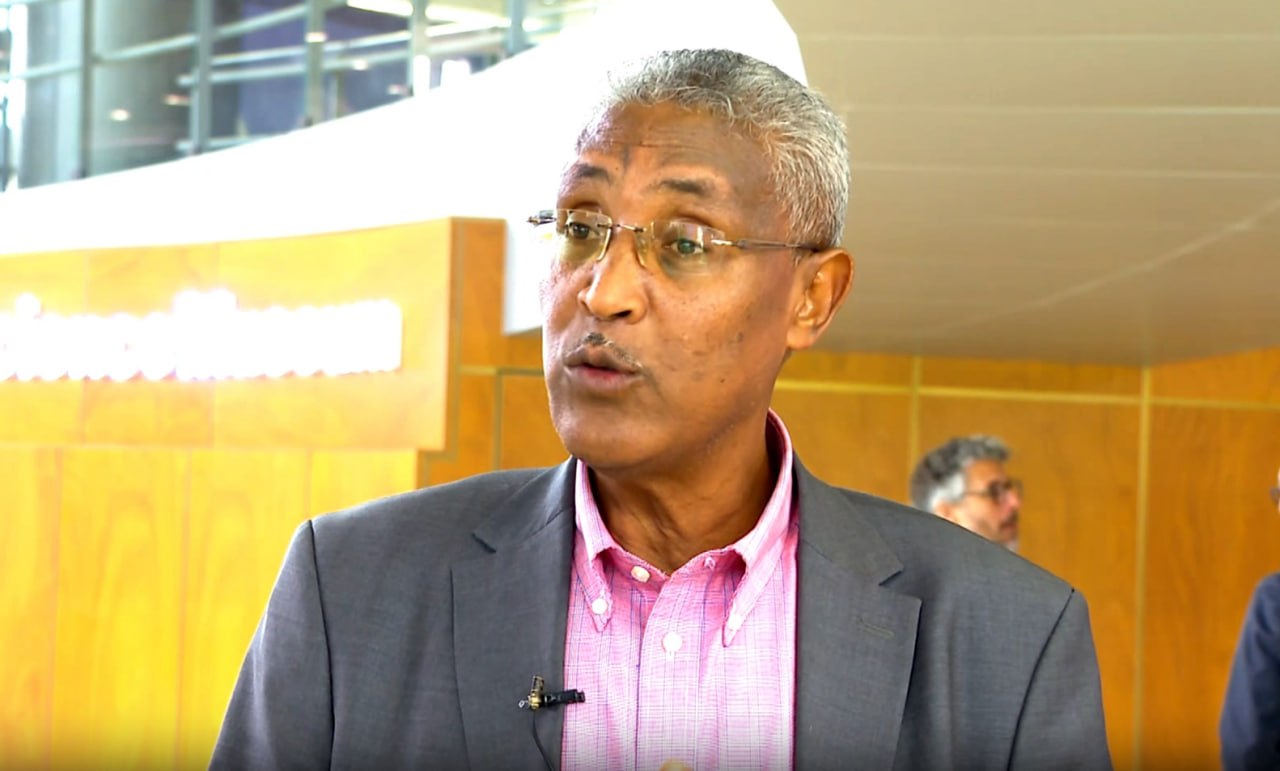
Addis Ababa, September 18, 2026 (ENA) —Ethiopia’s abundant renewable electricity resources provide a strong strategic foundation for transitioning from diesel-powered transport to electric mobility, according to TradeMark Africa.
The organization highlighted the move's potential to reduce transport costs, cut carbon emissions, and enhance regional trade competitiveness.
Ewnetu Taye, TradeMark Africa’s Country Director for Ethiopia, shared these insights in an interview with ENA on the sidelines of the Nordic Africa EV Summit, held in Addis Ababa from September 14 to 16.
Ethiopia’s abundant renewable energy resources, particularly hydropower, provide a strong foundation for the country’s transition to electric mobility, TradeMark Africa Country Director in Ethiopia Ewnetu Taye said.
Ewnetu said the country’s expanding hydropower generation, including electricity from the Grand Ethiopian Renaissance Dam (GERD), could help accelerate the shift from diesel powered transport to electric vehicles.
Greater use of electricity in transport could reduce Ethiopia’s dependence on imported diesel while enabling the country to make greater use of its domestic renewable energy resources, he said.
“Using the electricity, which is cheap in Ethiopia, is reducing cost of transport,” Ewnetu said.
He said lower transport costs could strengthen the competitiveness of Ethiopian imports and exports by reducing the cost of moving goods along major trade corridors.
Reduced transport costs could also contribute to increased trade and job creation, he added, giving the transition to electric mobility economic benefits beyond its potential to reduce carbon emissions.
The potential is particularly significant in freight transport, where Ethiopia is developing electric trucking initiatives along major trade corridors.
Ewnetu identified the Ethio Djibouti corridor, one of the country’s main routes for import and export cargo, as a key focus of electric trucking initiatives under Ethiopia’s five year electric mobility strategy.
Introducing electric trucks along high volume trade corridors could help connect Ethiopia’s renewable electricity resources with its transport and logistics system while reducing the costs associated with diesel powered freight movement, he said.
However, Ewnetu stressed that the transition requires an enabling ecosystem capable of supporting electric freight transport along major corridors.
He identified charging infrastructure, suitable road systems and local technical capacity as key areas that require attention for the successful implementation of electric trucking.
Experiences from Nordic countries and other African countries have also helped identify practical requirements and capacity gaps that Ethiopia needs to address as it develops its electric trucking system, he said.
Ewnetu said TradeMark Africa is working with partners to support electric trucking initiatives, particularly along the Ethio Djibouti corridor.
Beyond transport, he said Ethiopia’s broader efforts to expand renewable energy and promote environmental sustainability provide further opportunities to advance the country’s green development agenda.
He cited the country’s hydropower development and large scale tree planting initiatives as examples that could offer lessons to other African countries seeking to expand renewable energy and climate related development.
For Ethiopia, Ewnetu said, combining renewable electricity with electric mobility presents an opportunity to reduce transport emissions while addressing the economic costs associated with dependence on imported diesel.
TradeMark Africa is an Aid for Trade organization that supports trade facilitation, regional integration and market access across Africa.


