Ethiopian Officials Underscore Strategic Importance of Red Sea Access - ENA English


Ethiopian Officials Underscore Strategic Importance of Red Sea Access
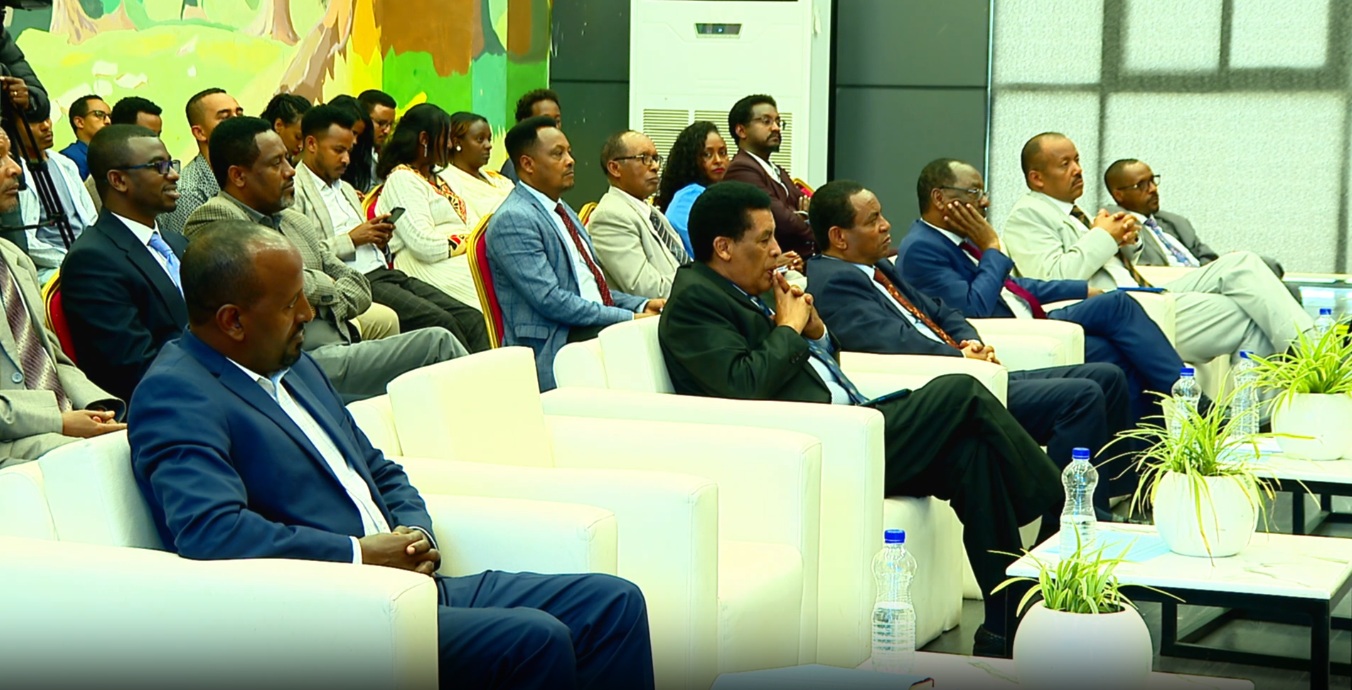
Addis Ababa, September 18, 2026 (ENA) — Senior Ethiopian officials have emphasized the strategic importance of access to the Red Sea, linking it to the country’s economic development, national security, regional integration and diplomatic relations with neighboring and wider international partners.
The remarks were made during a panel discussion on the Nile River and sea access organized by the Addis Ababa Leadership Academy, bringing together government officials, scholars and other invited participants to examine the two issues and their implications for Ethiopia’s long term national interests.
Participants stressed that Ethiopia’s interests in maritime access should be pursued through peaceful dialogue, diplomatic engagement, cooperation and arrangements based on mutual benefit.
Adviser to the Prime Minister on Youth and Sports Affairs Kejela Merdasa, speaking at the opening of the discussion, said the Red Sea has long served as a major corridor for international trade and has assumed growing importance in global and regional geopolitics.
Minister Kejela also highlighted Ethiopia’s historical connections with the Red Sea region, including the longstanding links between the Aksumite civilization and the Arabian Peninsula, particularly southern Yemen.
Beyond its historical significance, Kejela said the Red Sea has acquired increasing geopolitical and military importance due to the strategic interests and presence of major regional and global powers.
For Ethiopia, he said, access to the Red Sea has implications extending beyond maritime trade, including logistics infrastructure, economic competitiveness, energy security, national security, regional integration and diplomatic relations with the wider world.
He further stressed the need to view Ethiopia’s interests in the Red Sea and the Nile as interconnected components of the country’s long term national interests.
Ambassador Dina Mufti, a member of the House of Peoples’ Representatives, similarly linked Ethiopia’s interest in maritime access to its history, geography, population, economic development and security requirements.
Mufti emphasized that the issue should be pursued through peaceful and diplomatic means, including dialogue, agreement, cooperation and mutual benefit. He also stressed that Ethiopia has no intention of invading another country.
“Sea access is our permanent national agenda,” Mufti said.
He called for sustained intellectual and public discussions on the issue, alongside stronger diplomatic engagement with neighboring countries, African states and the international community.
Tasew Gebre, President of the Addis Ababa Leadership Academy, said sea access and the Nile are closely connected to Ethiopia’s future economic development, national security and regional integration.
The president emphasized the importance of addressing differences through dialogue, trust, legal frameworks and shared interests, noting that the development of one country does not necessarily have to be perceived as a threat by another.
According to him, the Academy seeks to bring scholarly research and ideas into public discussions and contribute to dialogue aimed at safeguarding national interests, advancing shared interests and creating opportunities for regional cooperation.
The discussion highlighted the growing attention in Ethiopia to the relationship between maritime access, the Nile, economic development and regional security. Speakers emphasized diplomacy, dialogue and negotiated arrangements as the basis for pursuing Ethiopia’s interests while promoting stability and cooperation in the wider Horn of Africa and Red Sea region.


