Africa's Electric Mobility Must Become Engine of Industrial Dev't : Minister - ENA English


Africa's Electric Mobility Must Become Engine of Industrial Dev't : Minister
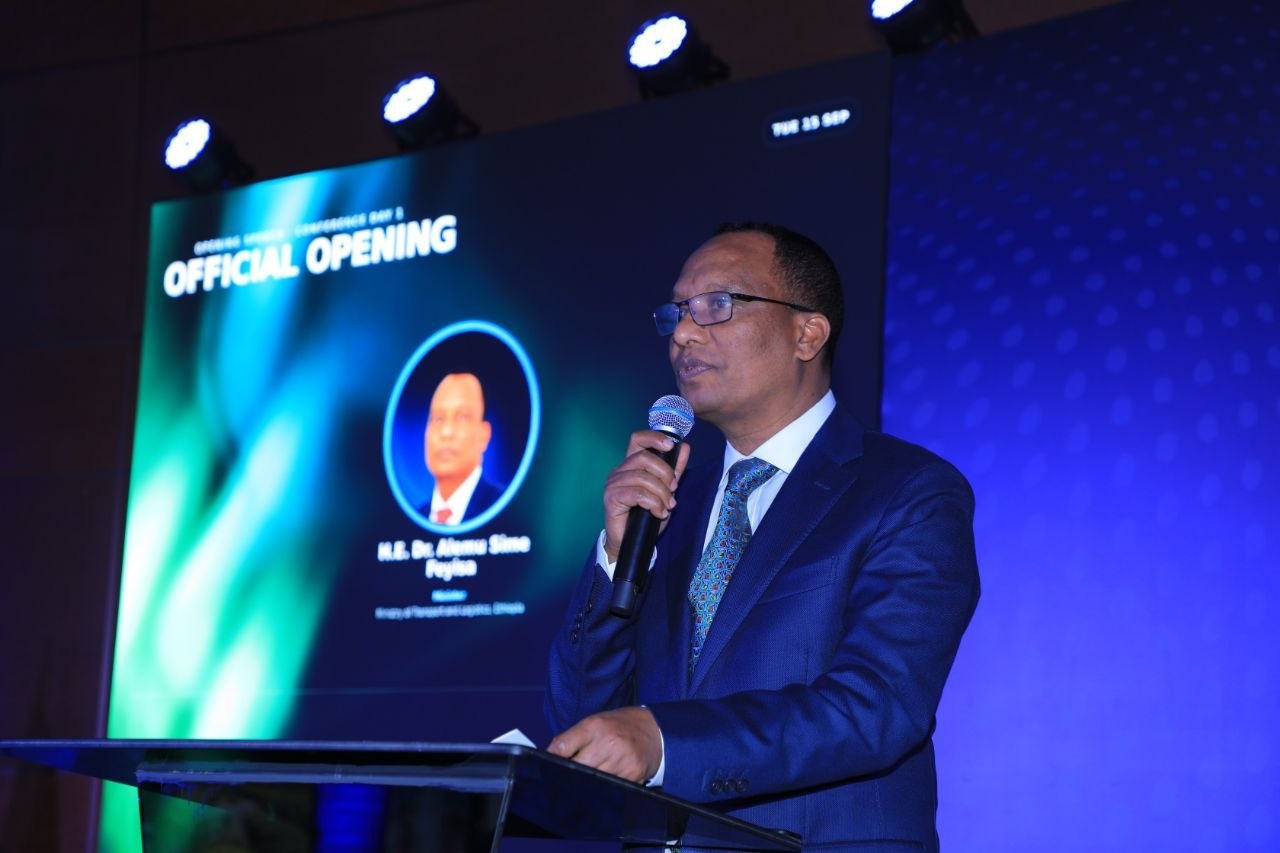
Addis Ababa, September 16, 2026 (ENA) — Africa must ensure that its transition to electric mobility becomes an engine of industrial development rather than turning the continent into another market for imported products, Transport and Logistics Minister Alemu Sime said today.
Opening the Nordic-Africa EV Summit 2026 in Addis Ababa, he added that Africa should participate across the electric-mobility value chain by strengthening local assembly and manufacturing.
The Minister accordingly called for development of engineering and software capabilities, investment in research and development, integration of local supply chains, and establishment of battery management, second-life and recycling systems.
“Most importantly, we must ensure that Africa’s transition to electric mobility becomes an engine of industrial development, not simply another market for imported products,” Alemu said.
“The future of African electric mobility must be built for, built by, and owned by African institutions, African youth, and African communities,” he stressed.
According to him, Ethiopia’s green transformation provides a strong foundation for the country’s transition to electric mobility.
The country’s renewable energy potential can also help reduce dependence on imported petroleum products, improve urban air quality, create green industries and jobs, and support its climate commitments.
The Minister, however, stressed that Ethiopia’s electric-mobility transition must go beyond increasing the number of electric vehicles.
He noted that financing will be critical, with investment needed not only in vehicles but also in charging infrastructure, grid upgrades, digital platforms, manufacturing, maintenance and skills.
But “government resources alone will not be enough,” he said, calling for partnerships among governments, development finance institutions, commercial banks, investors and industry, including patient capital and appropriate risk-sharing mechanisms.
“Our goal must be to transform electric mobility from a promising opportunity into a bankable investment market,” he stated.
The Minister also urged African countries to establish compatible standards, charging systems, payment platforms and communication technologies to facilitate cross-border mobility, regional trade and investment.
“Africa should not become a collection of disconnected EV markets,” Alemu said, adding that “interoperability is, therefore, not merely a technical issue. It is a strategic issue.”
The transition should extend beyond private passenger vehicles to electric buses, public transport, urban logistics, electric two- and three-wheelers and freight.
The Minister also called for investment in universities, technical and vocational institutions, research centers and industry partnerships to develop the skills needed for the sector.
“Research must guide policy, policy must enable investment, investment must support industry, and industry must create jobs for our youth.”
The Nordic-Africa EV Summit, launched in Oslo in May 2026 and continuing in Addis Ababa in September, connects Africa’s electric-mobility transition with Nordic experience, technology and investment, focusing on infrastructure, financing, regional integration, manufacturing and scalable electric-mobility systems.
The summit brings together African and Nordic governments, industry leaders, utilities, investors, development finance institutions, researchers and technology providers to advance electric mobility across Africa.


