Addis Ababa Emerges as World’s Second Most Climate-Resilient City - ENA English


Addis Ababa Emerges as World’s Second Most Climate-Resilient City
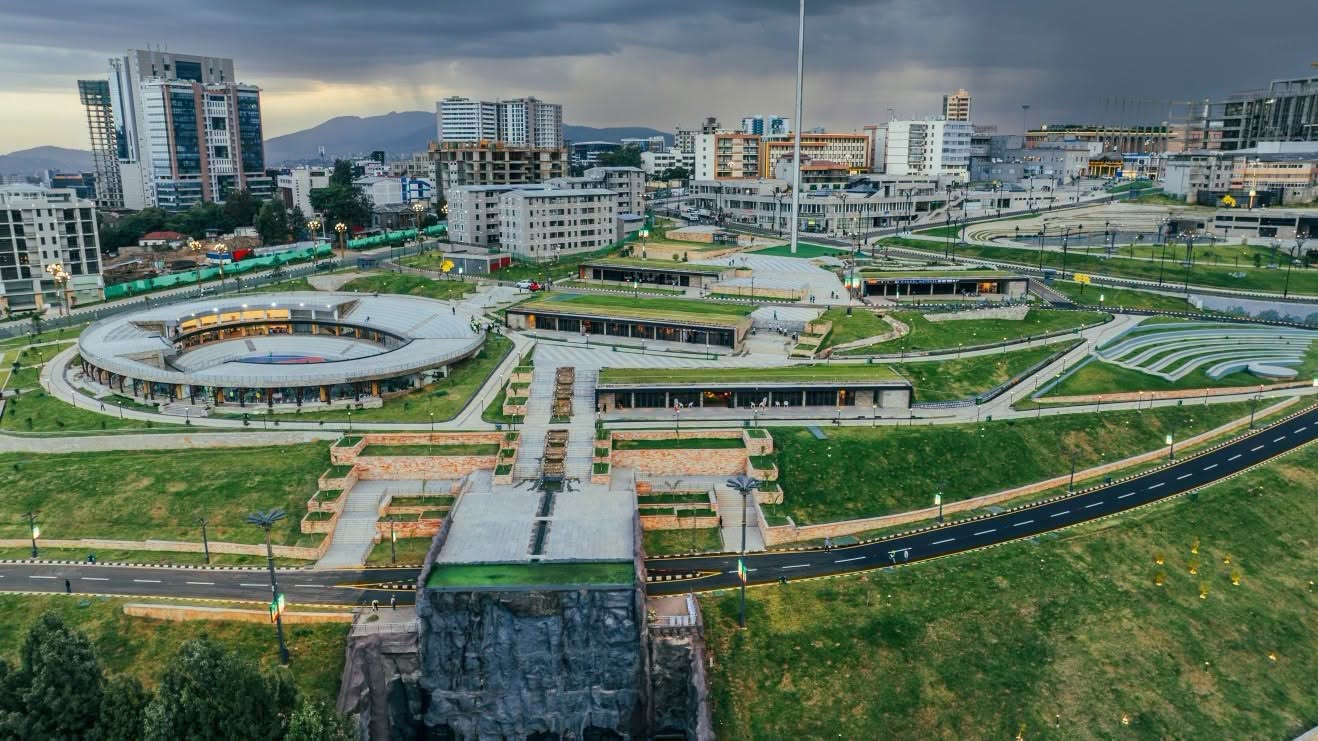
Addis Ababa, September 9, 2026 (ENA)—Addis Ababa has emerged as one of the world’s most climate-resilient major cities, ranking second globally in a new assessment by geospatial artificial intelligence institute AlphaGeo.
The ranking places Addis Ababa ahead of dozens of major cities worldwide, highlighting the Ethiopian capital’s relatively low residual exposure to climate risks after accounting for adaptation measures.
AlphaGeo’s report, “How Climate Resilient Are the World’s Largest Cities?”, assessed 72 of the world’s largest cities using its Climate Risk & Resilience Index (CRRI).
The index examines exposure to major physical climate hazards and evaluates how effectively adaptation measures reduce the risks facing cities.
Addis Ababa recorded a resilience-adjusted risk (RAJ) score of 10, the second-lowest score in the global assessment. Since a lower score indicates lower residual climate risk after adaptation is taken into account, the result places Addis Ababa among the strongest-performing cities in the study.
Only Chicago, with an RAJ score of 8, ranked higher. Melbourne and Barcelona followed with scores of 11, while Paris and Buenos Aires recorded 12.
Addis Ababa was also among several African cities performing strongly in the assessment. Nairobi recorded an RAJ score of 13, while Johannesburg scored 16.
According to AlphaGeo, the strong performance of Addis Ababa, Nairobi and Johannesburg is linked in significant part to their elevation and climate geography, which provide relatively lower baseline exposure to several of the hazards measured by the index.
Adaptation capacity also contributes to their overall resilience.
The assessment examined six major physical climate hazards, including inland and coastal flooding, heat stress, drought, wildfires and hurricane winds. AlphaGeo compared each city’s physical exposure with its resilience-adjusted risk to determine what it calls an “adaptation delta”—the reduction in risk associated with existing adaptation measures.
The findings underline that climate resilience is not determined by geography alone.
Cities with comparable levels of physical exposure can experience markedly different residual risks depending on the strength of their infrastructure, governance, planning and investment in adaptation.
For Addis Ababa, the ranking offers a significant international recognition of the capital’s position in an era of intensifying climate pressures.
It also highlights the importance of sustaining investment in urban infrastructure and climate adaptation as African cities expand and face growing environmental and economic risks.
AlphaGeo cautions that its scores represent city-level averages and may not capture significant differences between individual neighborhoods. Climate exposure and resilience can vary considerably within the same urban area.
The company says the assessment is intended to help policymakers, investors and infrastructure owners identify where climate adaptation is reducing risk and where additional investment may be required.
For Africa, the results reinforce the growing importance of building climate-resilient cities capable of protecting communities, infrastructure and economic activity against an increasingly uncertain climate future, it was learned.


