Nile Basin Cooperative Framework Agreement Will Be Implemented Whether Egypt Signs or Not: Former Water Minister - ENA English


Nile Basin Cooperative Framework Agreement Will Be Implemented Whether Egypt Signs or Not: Former Water Minister
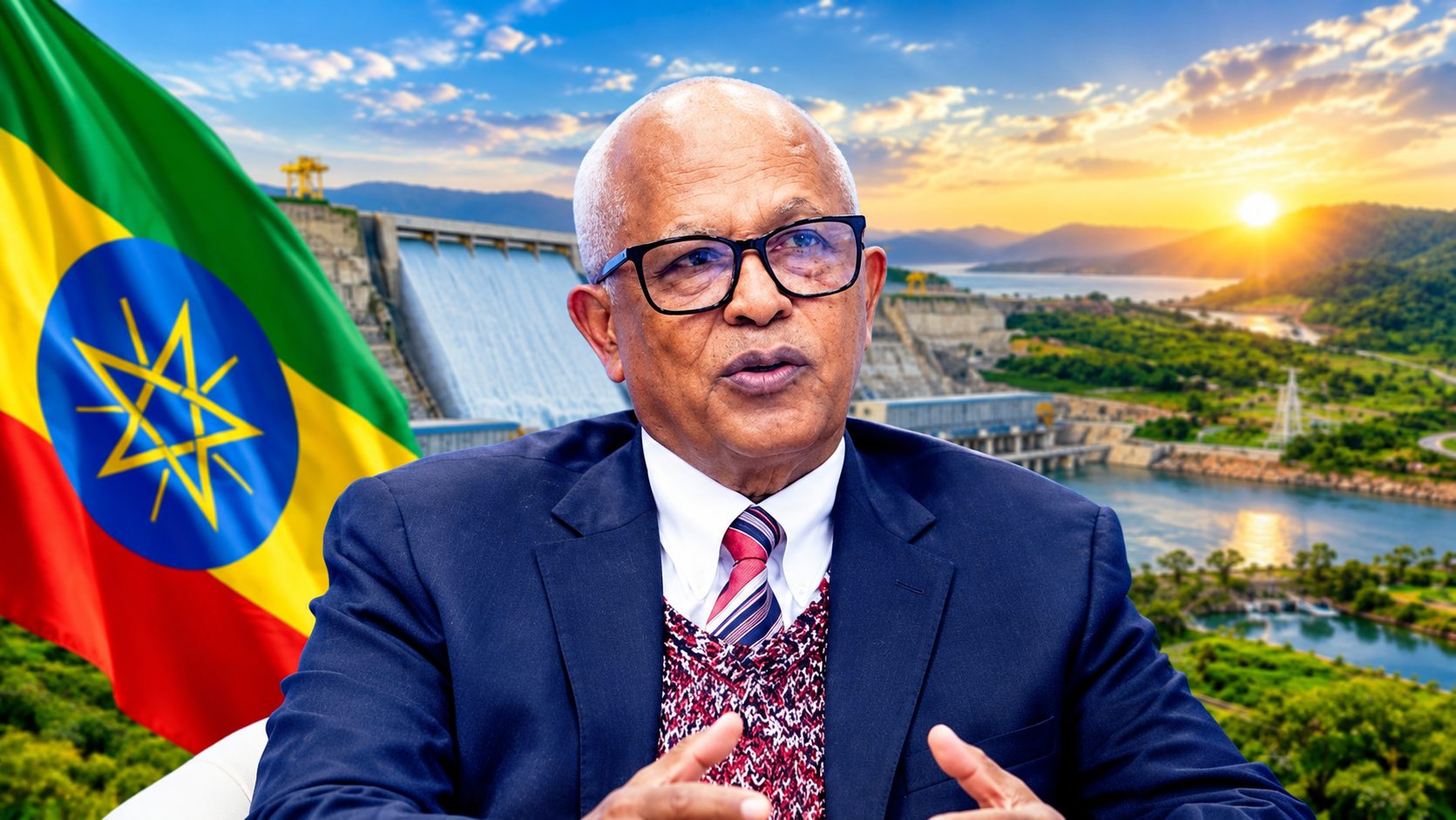
Addis Ababa, September 8, 2026 (ENA)—The implementation of the Nile Basin Cooperative Framework Agreement (CFA), which has officially entered into force with the signing of 7 countries, cannot be derailed by the refusal of Egypt to sign it, former Minister of Water and Energy Alemayehu Tegenu said.
The Nile Basin Cooperative Framework Agreement (CFA) is a regional treaty signed by upstream Nile Basin countries to ensure fair, equitable, and cooperative use of the river’s waters.
It seeks to replace outdated colonial agreements with a modern framework based on shared benefit and reasonable utilization.
In an exclusive interview with ENA, former Water Minister Alemayehu made it clear that the legal and political basis for the CFA is already established.
“The CFA by this time was already signed by some countries, which is sufficient to deposit to the African Union,” he said, adding that “without Egypt and Sudan, the CFA can be practical now. There is no obstacle to its implementation.”
Egypt has long opposed equitable Nile cooperation and continue to cling to outdated monopoly claims.
“They were against the CFA in the whole process,” he said. “Still they are against. They don’t want to sign the CFA.”
According to him, their position has remained fixed and unchanging. “They didn’t change their mind. They don’t want to come to healthy cooperation.”
Alemayehu said Cairo continues to rely on the 1959 bilateral arrangement, a colonial-era mindset that illegally excluded Ethiopia from its own resource.
“In the 1959 agreement, they shared the Nile water between themselves,” he noted. “This agreement allocated 0 percent for Ethiopia.”
But the era of unilateral control over the Nile is now over. “What the Nile-based countries do now is to implement in full scale the CFA agreement by moving ahead to establish a fair, rule-based order built on equity, reason, and sovereign cooperation.
Speaking about the Grand Ethiopian Renaissance Dam (GERD), the former minister said Ethiopia has already proved its capacity to carry out major national projects without waiting for approval from outside powers.
“GERD is operational now. It doesn’t reduce their water,” he said. “They receive sufficient water currently while the dam is functioning.”
Ethiopia must therefore never allow foreign obstruction to dictate its future. “Our job is to focus on our development and try to develop other resources in the basin. We have to focus on our agenda.”
He dismissed Egypt’s hostility as a deliberate attempt to stand in the way of Ethiopia’s rise.
“Egypt’s behavior always stands against Ethiopian development. They are always an obstacle to our development.”
He noted that Ethiopia designed the GERD in a way that does not impact or harm the downstream countries, proving that Ethiopian development and regional stability are not in conflict.
The former minister also criticized Egypt’s preference for confrontation over cooperation.
Egyptians prefer animosity rather than cooperation, he said, calling the approach unwise decision.
He emphasized that Ethiopia stands for fairness, dialogue, and mutual benefit. “Ethiopia believes in equitable, reasonable utilization and cooperation. We always invite Egypt to come to this principle and discuss and resolve any issues.”
“The best thing (in this case) is to focus on the utilization of our water resources by constructing different irrigation schemes.”
The former minister further stated that Ethiopia’s Green Legacy Initiative and watershed conservation efforts strengthen basin-wide water security, even though Egypt refuses to acknowledge the benefits.
“Egypt does not pay any coin for this kind of work. Rather, Egypt stands against our development for the Green Legacy Initiative, water and soil conservation.”
He pointed out that the Egyptians are not willing to go for compensation. “Rather, they are always against our efforts to get finance from different financial institutions.”
According to the former water minister, Ethiopians have to continue breaking the wrong narrations created by the Egyptians. The source of Nile is from Ethiopia and it contributes 86 percent of the water.


