Ethiopia Reaffirms Human Rights Commitment, Calls for National Ownership of Reform at HRC63 - ENA English


Ethiopia Reaffirms Human Rights Commitment, Calls for National Ownership of Reform at HRC63
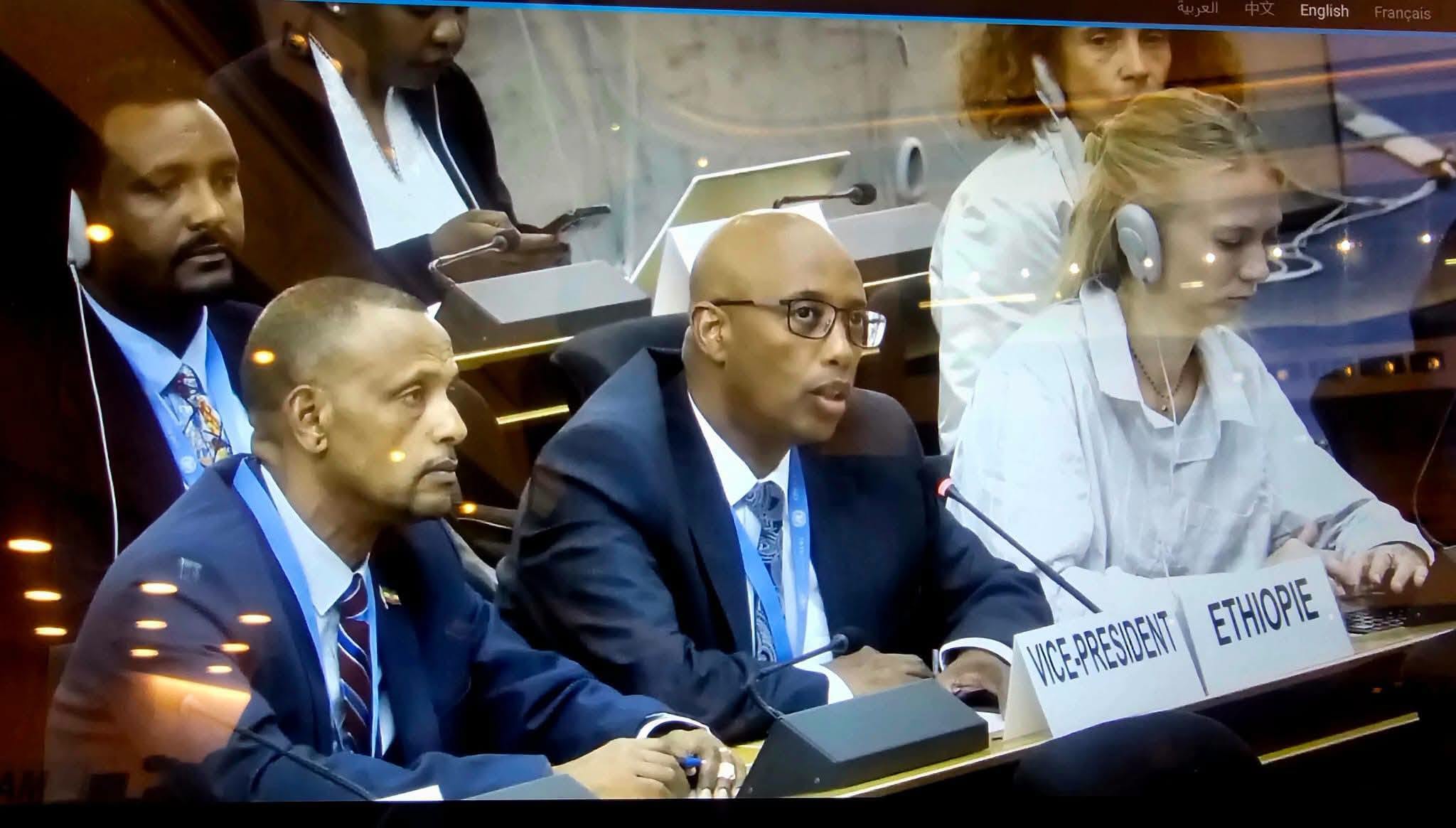
Addis Ababa, September 8, 2026 (ENA)—Ethiopia has reaffirmed its commitment to promoting and protecting human rights while pursuing nationally owned reforms.
Its ongoing reforms aimed at strengthening peace, democratic governance, the rule of law, accountability and national reconciliation, according to the Ministry of Foreign Affairs.
Addressing the 63rd Session of the United Nations Human Rights Council (HRC63) under Item 2, Ethiopia’s Permanent Representative to the United Nations Office and Other International Organizations in Geneva, Ambassador Tsegab Kebebew, highlighted what he described as significant milestones in the country’s ongoing political and institutional reform process.
The Ambassador pointed to the successful conduct of Ethiopia’s seventh national election in June 2026 and the conclusion of the country’s historic and inclusive National Dialogue.
These developments as important foundations for advancing transitional justice through a process shaped by Ethiopia’s own national circumstances and realities, Ambassador Tsegab revealed.
He stressed that Ethiopia’s approach to transitional justice should remain nationally owned, inclusive and responsive to the country’s specific context, while contributing to lasting peace, reconciliation and accountable governance.
Tsegab also reaffirmed Ethiopia’s commitment to the Permanent Cessation of Hostilities Agreement, signed in Pretoria in November 2022, emphasizing the need to preserve the integrity of the agreement and consolidate the peace gains achieved since its signing.
He called on the international community to support efforts that strengthen the peace process and to oppose actions that could undermine progress toward sustainable peace and stability.
Beyond the peace process, Ambassador Tsegab underscored Ethiopia’s broader efforts to strengthen the rule of law, civic participation and institutional capacity.
He also emphasized the value of constructive engagement, dialogue, cooperation and capacity-building with the Office of the United Nations High Commissioner for Human Rights (OHCHR) and other international partners.
At the same time, Ethiopia reiterated its position that international human rights engagement should be grounded in objectivity, impartiality, non-selectivity, national ownership and sovereign equality.
The Ambassador cautioned against selective or politicized approaches to human rights that, in Ethiopia’s view, could weaken nationally led reform efforts and hinder constructive international cooperation.
As an active member of the Human Rights Council, Ethiopia continues to participate in the Council’s work, including through its role on the Council Bureau, the Vice-Presidency of the Council and the chairmanship of its Accessibility Task Force.
Ethiopia’s message at HRC63 reflects its broader diplomatic position that sustainable peace, human rights protection and democratic reform are most effective when supported by international cooperation while remaining firmly rooted in national ownership and sovereign decision-making.


