Downstream Countries Should Have Shared Ethiopia’s Watershed Restoration, Afforestation Costs: Senior Water Expert - ENA English


Downstream Countries Should Have Shared Ethiopia’s Watershed Restoration, Afforestation Costs: Senior Water Expert
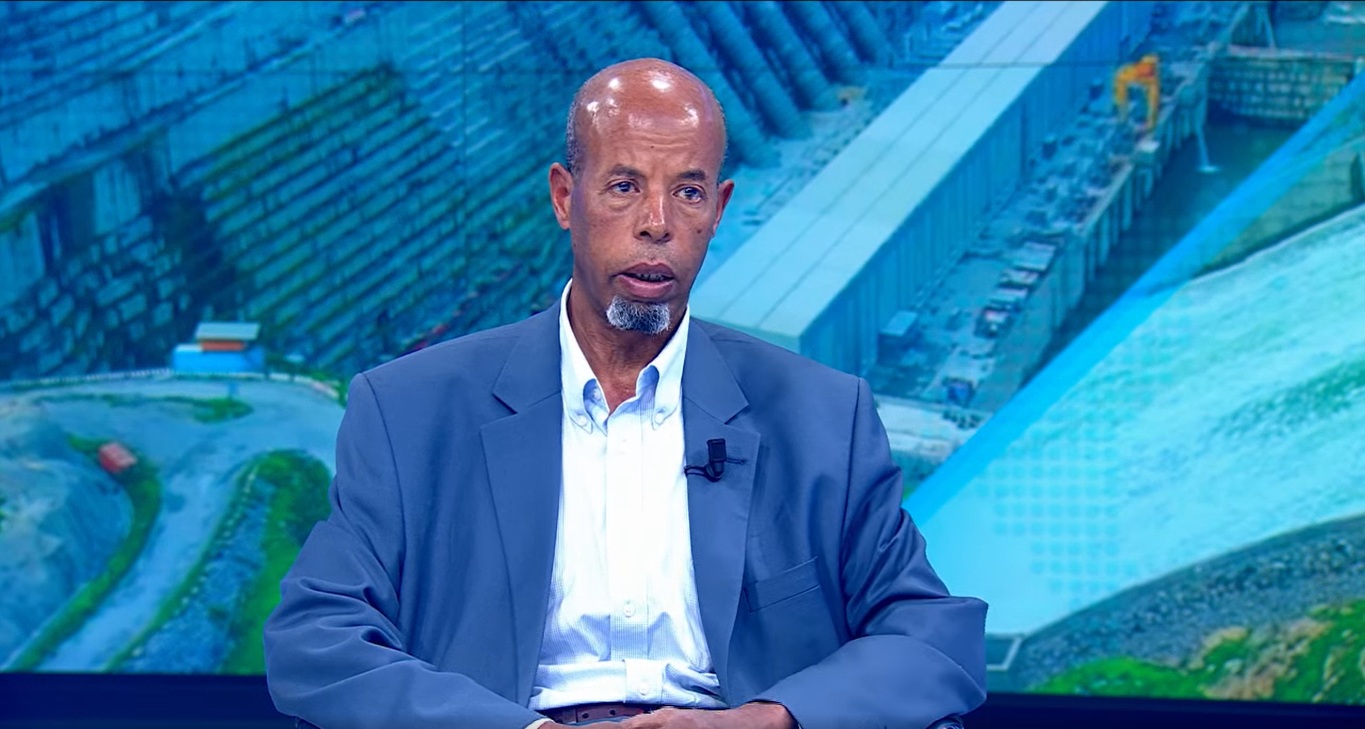
Addis Ababa, September 8, 2026 (ENA)—The Nile downstream countries, Egypt and Sudan, should have shared the cost of Ethiopia’s large-scale watershed restoration and afforestation efforts because they have been directly benefiting from the improved watershed conditions, a senior transboundary water expert said.
“Downstream countries are reaping benefits of massive watershed restoration programs in Ethiopia. Under normal circumstances these countries who are enjoying the benefits of such undertaking should have shared the cost of these interventions,” Fekahmed Negash, a senior transboundary water expert, noted.
He added that a well designed and implemented watershed management activity in Ethiopia is beneficial to Ethiopia and downstream countries of Egypt and Sudan as well as to the international community.
The senior water expert explained that effective watershed management reduces soil erosion from agricultural, grazing and degraded lands, limiting the amount of sediment carried downstream.
Such sediment can degrade water quality, reduce reservoir storage capacity, disrupt power generation, damage irrigation canals and roads, and undermine agricultural production.
By contrast well-preserved watersheds improve rainfall infiltration, slow surface runoff, retain moisture in vegetation and help regulate river flows, thereby reducing flooding, he elaborated.
Fekahmed said these gains are not limited to Ethiopia since downstream countries also benefit from reduced sedimentation, better water quality, more regulated flows and lower risks to water infrastructure.
“Downstream countries are reaping benefits of massive watershed restoration programs in Ethiopia,” he reiterated, arguing that the principle of shared benefits should also mean shared responsibility for financing such interventions.
He criticized what he described as Egypt’s opposition to Ethiopia’s watershed management and afforestation efforts.
According to Fekahmed, Egypt has objected on the grounds that increased infiltration from tree planting could reduce downstream flows and that more regulated river flows could give Ethiopia greater room to use its water resources.
“Egypt is known to oppose watershed management particularly afforestation in Ethiopia. They oppose such extraordinary efforts with a pretext against unfounded claims of reduced flow to downstream due to increased infiltration facilitate by trees planting and regulated flow that would give Ethiopia an opportunity to use its water resources.”
He rejected the argument saying watershed restoration should instead be seen as a basin-wide investment that strengthens the sustainability of the Nile system.
“The protection of the watershed, particularly the water towers, should be given utmost emphasis by the basin’s states and the international community if the sustainable utilization of the waters of the Nile Basin is required.”
Fekahmed also linked Ethiopia’s restoration efforts to the broader challenge of climate change. Watershed protection can help ease flooding and drought while improving resilience to increasingly erratic water flows.
He noted that the benefits extend beyond the Nile Basin through carbon sequestration and other climate-related gains making watershed restoration an issue of both regional and international concern.
The senior water expert argued that Ethiopia’s restoration drive should not be viewed only as a domestic environmental project but as an investment that generates benefits for downstream countries and the wider international community.
He also called for a shift from confrontation to cooperation in addressing the Nile Basin’s water challenges.
“Military prowess does and will not make water flow downstream,” Fekahmed stressed, arguing that sustainable water security depends on understanding the interests, concerns and fears of basin countries and pursuing genuine cooperation.
Cooperation in water management, energy trade and regional economic integration would provide a more durable basis for water security than military pressure or confrontational diplomacy, he emphasized.
“Military threat and confrontational diplomatic maneuvers in ensuring water security is unnecessary and at most counterproductive,” the senior water expert said.
Fekahmed stated that Ethiopia’s experience shows that investments in watershed restoration can generate cross-border benefits, and that downstream beneficiaries and the international community should recognize their responsibility to support such efforts.
The Green Legacy Initiative, he added, offers an important framework for strengthening watershed protection, improving the sustainability of the Nile Basin and building resilience to climate change.
Fekahmed has extensive experience in transboundary water management and Nile Basin affairs.
He previously served as Executive Director of the Eastern Nile Technical Regional Office (ENTRO).


