Medemer State More Self-Conscious in Taking Ethiopia Forward: Prof. Berhanu Nega - ENA English


Medemer State More Self-Conscious in Taking Ethiopia Forward: Prof. Berhanu Nega
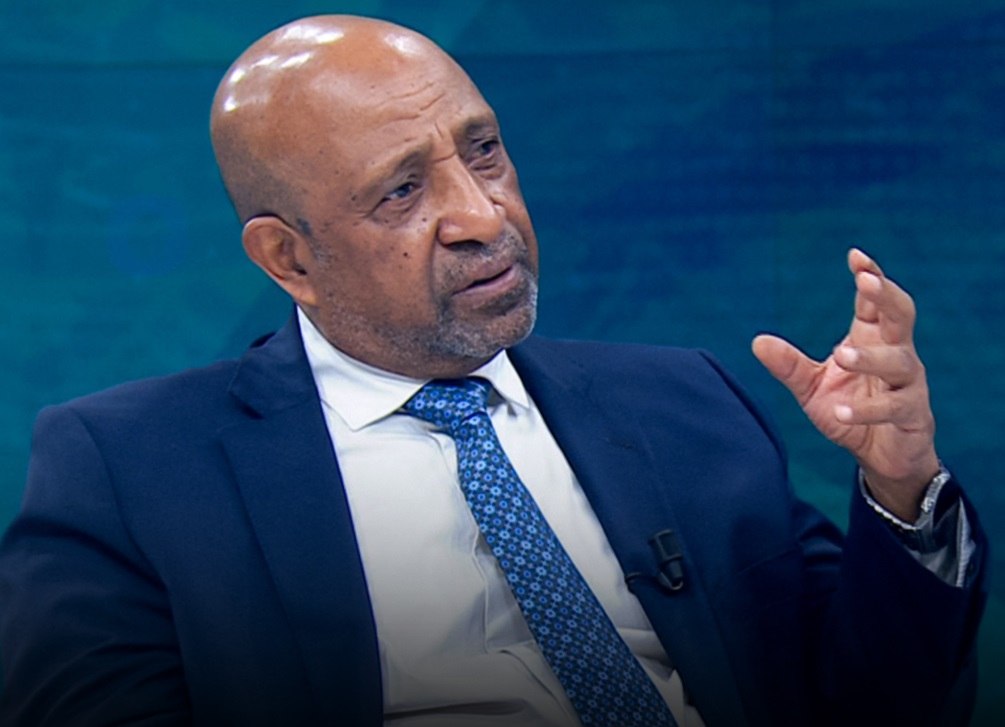
Addis Ababa, September 7, 2026 (ENA)— Ethiopia’s Medemer State is more self-conscious and determined about the country’s future than previous governments, with a clearer understanding of the direction it wants to take the nation, Education Minister Prof. Berhanu Nega said.
Speaking to ENA, the minister said the changes Ethiopia has experienced over the past seven to eight years represent a significant departure from previous political periods.
“One of the identifying markers of this period compared to the past is that this is a much more self-conscious government, a government that knows where it wants to go, where it wants to take the country,” he said.
According to the minister, the government increasingly recognizes that Ethiopia cannot continue to contend with poverty, economic weakness and persistent internal conflicts, including ethnic and religious tensions.
He said the government is working to reduce corruption and promote hard work as essential elements of national development, stressing that Ethiopia, as an ancient civilization, needs to change its approach to development.
The minister also said the government is increasingly conscious of the rapidly changing global environment, which is being shaped by emerging conflicts among major powers, technological transformations and shifts in the international system.
National consciousness is also growing, with Ethiopians increasingly recognizing that the country has fallen behind and needs to accelerate its development, he noted.
He further recalled that Ethiopia had for a long time been preoccupied with internal differences and conflicts, diverting attention from the need to catch up with the rest of the world.
“The point of demarcation for this government, as much as I see it since the change, is this acute awareness that we have slept for a long time,” he said.
The minister also said the recent National Dialogue has also helped address some of Ethiopia’s longstanding political questions, particularly issues concerning the type of political system needed to build a strong, resilient, capable and prosperous nation.
At the same time, he acknowledged that Ethiopia remains in a period of transition, with political challenges and mistakes inherited from the past continuing to influence the present.
Prof. Berhanu said the prolonged emphasis on ethnicity in politics has contributed to conflicts over the past two to three decades, arguing that Ethiopia’s political system needs to move away from highly ethnicized politics.
“We have to start to think of each other as members of the same country, as citizens,” he stressed.
He said a growing sense of shared citizenship is emerging, although the political outlook of the past has not completely disappeared.
“We are in that transition period where this struggle between the old politics and the new emerging ones are, to a certain degree, fighting for supremacy,” he said.
According to the minister, Ethiopia’s future requires greater emphasis on shared national interests, economic development, technical knowledge and the country’s moral standing.
The professor called on Ethiopians to increasingly see themselves as citizens who share a common future and fate, saying such a shift would help the country advance toward greater prosperity, resilience and national development.


