Ethiopia’s Volunteerism Culture Expands Preventive Health Services: MoH - ENA English


Ethiopia’s Volunteerism Culture Expands Preventive Health Services: MoH
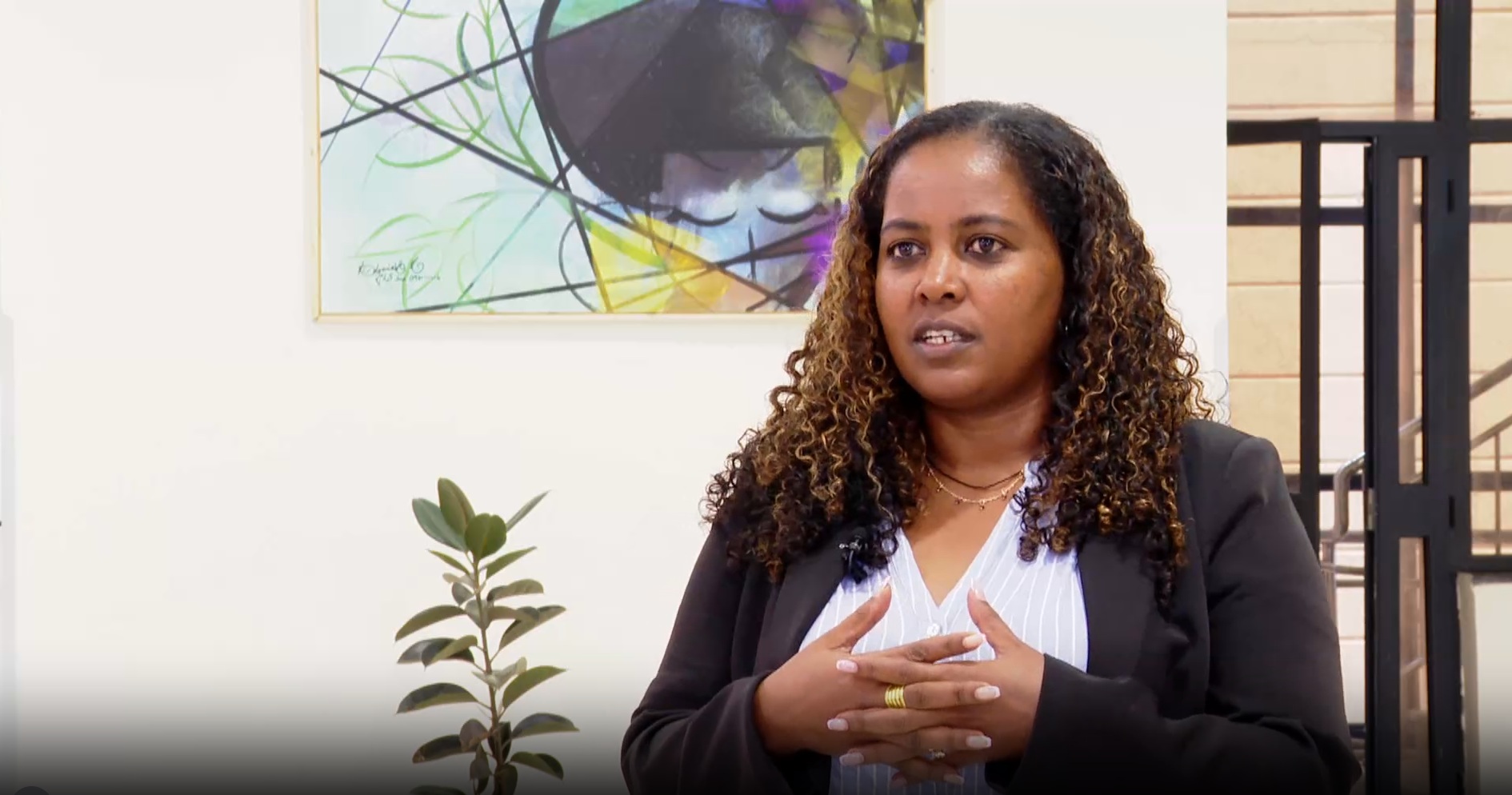
Addis Ababa, Sep 2, 2026 (ENA) —The Ministry of Health (MoH) affirmed that Ethiopia’s growing culture of volunteerism is expanding preventive health services nationwide.
State Minister of Health Frehiwot Abebe told ENA that the initiatives include free health screenings, disease prevention activities, and community cleanup campaigns designed to protect citizens from seasonal health risks during the rainy season.
Initiated by Prime Minister Abiy Ahmed, rainy season volunteerism has already become a national tradition, she noted, emphasizing that the movement mobilizes government institutions to undertake people-centered community projects tailored to their specific mandates.
“Performing volunteer and people-centered work every rainy season has become a national habit,” she said, describing the efforts as both preventive and patriotic.
The initiative has driven mass free screening and treatment campaigns for four consecutive rainy seasons at the ministry of health, she added.
Last year alone, the ministry treated nearly 15 million citizens for conditions such as high blood pressure and diabetes, helping individuals manage their health before serious complications develop.
“When citizens remain unaware of their health status and seek care only after falling ill, the medical costs are substantial,” Frehiwot said, noting that early counseling and timely referrals ease the financial and logistical burden on both patients and the healthcare system.
This year, the ministry plans to expand free treatments to 20 million people while strengthening follow-up care for those needing further treatment.
The volunteer push extends beyond clinical services to community-level interventions. Volunteers clean elderly residents' homes, clear drainage systems, fill stagnant water pools, and sanitize health facilities.
“Every rainy season, it is essential not only to build and beautify, but also to maintain public spaces where people eat, work, and receive care,” the state minister stressed, calling on health workers and community members to share responsibility for public facility upkeep.
The ministry uses disease forecasting, early intervention, and community mobilization in order to manage seasonal risks.
In response to malaria rates, the government distributed more than 13 million insecticide-treated bed nets this year while maintaining stocks of diagnostic kits and medications.
According to her, authorities also track trends weekly down to the kebele (neighborhood) level using a digital disease surveillance system, allowing rapid localized responses.
“If data shows rising cases in a specific area due to stagnant water, we address it immediately,” the state minister noted.
She described this data-driven feedback loop, combining environmental drainage, bed net distribution, and prompt treatment, as a proactive strategy to counter climate-driven health threats.


