Africa Needs Nationally Owned, Risk-Informed Early Warning Systems: Ministry - ENA English


Africa Needs Nationally Owned, Risk-Informed Early Warning Systems: Ministry
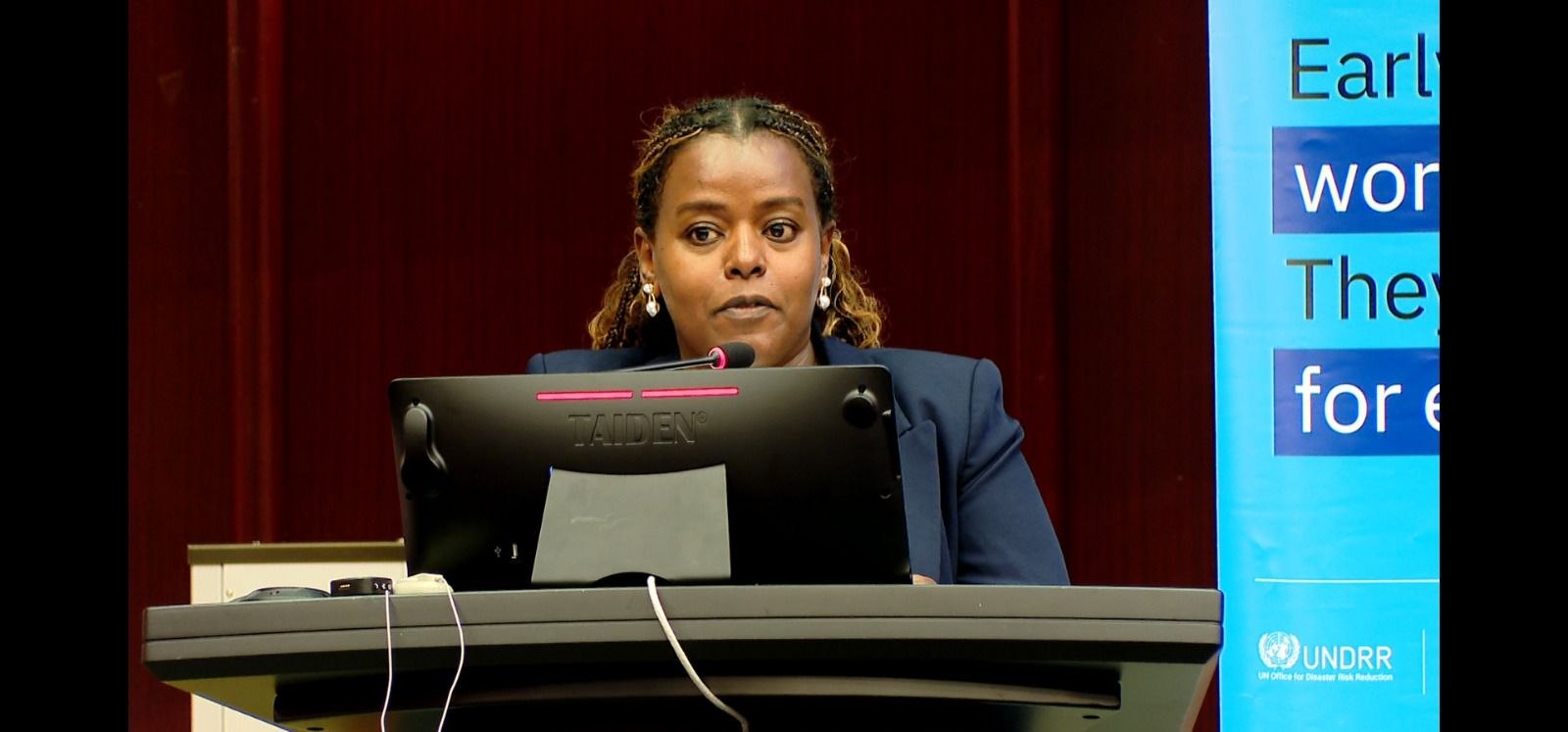
Addis Ababa, Sep 2, 2026 (ENA) — African countries need nationally owned, adequately financed early warning systems integrated into risk-informed development planning to protect economic and social progress from growing climate-related risks, the Ministry of Planning and Development said.
Speaking at the Africa Early Warning Forum in Addis Ababa, Chief of Staff and Special Adviser at the Ministry, Hanna Abebe, said effective early warning systems should be treated as essential investments in human security, resilience and sustainable development.
Climate-related hazards and disasters are becoming more frequent, intense and complex across Africa, threatening communities, infrastructure, livelihoods and development gains, Hanna said.
She cited droughts, floods and extreme temperatures among the hazards increasingly affecting communities, with their impacts particularly severe for women, children and people living in fragile and conflict-affected settings.
Hanna said strengthening early warning systems requires addressing persistent gaps in forecasting infrastructure, institutional coordination, last-mile communication and sustainable financing.
She further noted that early warning systems should be nationally owned, adequately financed and integrated into development planning.
She called for strengthening the entire early warning value chain, from risk knowledge and forecasting to communication, preparedness and anticipatory action, to ensure that warnings reach communities most exposed to hazards.
“No country or institution can achieve this alone,” Hanna said, calling for stronger cooperation among governments, regional institutions, development and humanitarian partners, scientific institutions, civil society and the private sector.
She said telecommunications providers, satellite and geospatial companies, financial institutions, insurers, as well as artificial intelligence and data firms, can play important roles in expanding access to early warning information, improving forecasting and strengthening anticipatory action.
Hanna further stressed the need to move beyond short-term projects and establish sustainable financing mechanisms capable of supporting early warning systems over the long term.
Africa has made progress in expanding multi-hazard early warning coverage.
According to the World Meteorological Organization (WMO), the number of African countries reporting such systems increased from 10 in 2015 to 26 in 2023.
However, WMO Director of the Regional Office for Africa Agnes Kijazi said significant gaps remain in observation networks, forecasting, infrastructure, connectivity, institutional coordination, last-mile communication and sustainable financing.
She said the 2027 target of the UN-led Early Warnings for All initiative should be viewed as an important milestone rather than an endpoint.
Kijazi stressed that the effectiveness of early warning systems should be measured by whether they are operational, trusted, nationally owned, effectively governed, capable of reaching communities at the last mile, and financially sustainable.
She also underscored the importance of strengthening National Meteorological and Hydrological Services through improved observation and data exchange, forecasting and warning services, impact-based forecasting and institutional capacity.
Investments in climate services, hydrometeorological capacity, water adaptation and resilience should reinforce national systems and regional cooperation rather than remain isolated projects, she added.
The African Union Commission (AUC) also called for a coordinated continental approach to strengthen early warning and early action.
Harsen Nyambe, AUC Director for Sustainable Environment and Blue Economy, on his part, said disasters across Africa have become increasingly frequent and complex, with different regions facing droughts, floods, earthquakes and other hazards.
He also said that early warning should not be treated as an end in itself, stressing the need to strengthen the entire chain from risk knowledge and forecasting to dissemination, preparedness and timely response.
Nyambe said the African Union Multi Hazard Early Warning and Early Action System (AMHEWAS) serves as the continent’s mechanism for delivering early warning while complementing the global Early Warnings for All initiative.
He called on the forum to develop a roadmap for advancing Early Warnings for All beyond 2027 while strengthening efforts to protect people and safeguard Africa’s development gains.
The three-day forum in Addis Ababa brings together African and international stakeholders to advance early warning and early action across the continent.


