Egypt Plotted to Cut Ethiopia Off from Red Sea: Former Water Minister Shiferaw - ENA English


Egypt Plotted to Cut Ethiopia Off from Red Sea: Former Water Minister Shiferaw
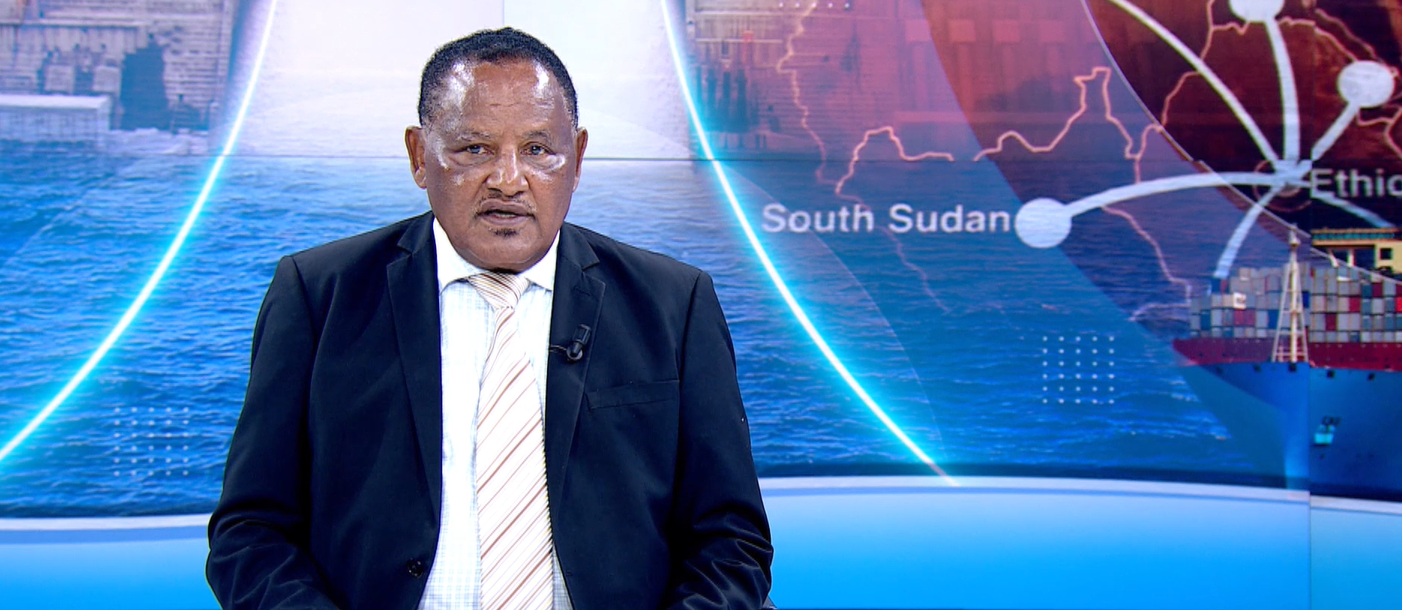
Addis Aaba, September 1, 2026 (ENA)— Ethiopia’s role as the source of the Abay (Nile) River fueled plots by Egyptian politicians and their allies to weaken the nation and deny it Red Sea access, former Water Minister and Ambassador Shiferaw Jarso told ENA.
He further stated that the country has been still actively seeking to undermine Ethiopia’s strategic interests in the Red Sea by exploiting internal divisions and supporting forces that weaken the country.
Ambassador Shiferaw linked Ethiopia’s current geopolitical pressures over sea access to the circumstances surrounding Eritrea’s separation from Ethiopia, arguing that both external actors and internal political forces contributed to the loss of Ethiopia’s maritime and territorial interests.
Many observers say one of the most consequential examples of Egypt’s divisive regional approach is its historical involvement in the Eritrean question and the broader struggle over Ethiopia’s territorial integrity.
Cairo was overtly supporting separatist forces and political projects intended to weaken Ethiopia and constrain its regional influence, according to them.
The eventual separation of Eritrea from Ethiopia remains a defining episode in the Horn of Africa’s turbulent history and a powerful reminder of how external geopolitical calculations can reshape the destiny of nations.
Historical diplomacy reveals that Egyptian politician Boutros Boutros-Ghali, who served as acting Foreign Minister before becoming UN Secretary-General, played a pivotal role in advancing the Eritrean secession project to permanently weaken Ethiopia, it was learned.
Shiferaw said the loss of access to the Red Sea ports of Massawa and Assab has imposed profound economic and strategic costs on Ethiopia for nearly three decades, describing the development as a historic injustice with lasting consequences for the country.
Ambassador Shiferaw further argued that a government without a strong popular mandate lacked the legitimacy to make decisions that would permanently reshape Ethiopia’s maritime position.
According to him, efforts to constrain Ethiopia’s regional influence have persisted despite the country’s position as the source of the Nile, with maritime isolation compounding broader geopolitical and economic pressures.
He described reliable sea access as an existential and generational issue for Ethiopia, saying it is fundamentally tied to national security, economic growth, sovereignty and long-term regional stability.
“Ethiopia cannot remain permanently disconnected from the sea,” Ambassador Shiferaw said, pointing to the country’s population, expanding economy, growing import-export trade, geographical proximity to the Red Sea and historical ties to regional ports.
Ethiopia historically administered Massawa and Assab and maintained naval capabilities before Eritrea’s separation.
Ambassador Shiferaw said these historical links, together with Ethiopia’s present-day economic weight and geographic realities, reinforce the country’s case for pursuing sustainable maritime access.
He commended the Ethiopian government’s ongoing diplomatic efforts to bring the issue of sea access to greater international attention, saying Ethiopia should continue pursuing the matter through peaceful and legally grounded channels.
The ambassador stressed that Ethiopia’s quest for sea access should be resolved through dialogue, mutual understanding, international law and mutually beneficial arrangements, rather than confrontation.
He also underscored the importance of Ethiopia’s transboundary rivers to downstream countries, arguing that the same principle of shared benefit should guide discussions over maritime access.
A peaceful, balanced and legally grounded solution, he said, would not only address Ethiopia’s strategic interests but could also contribute to greater stability and economic cooperation across the Red Sea and Horn of Africa region.


