Thailand Backs Ethiopia’s Push for Sea Access, Calls for Regional Understanding - ENA English


Thailand Backs Ethiopia’s Push for Sea Access, Calls for Regional Understanding
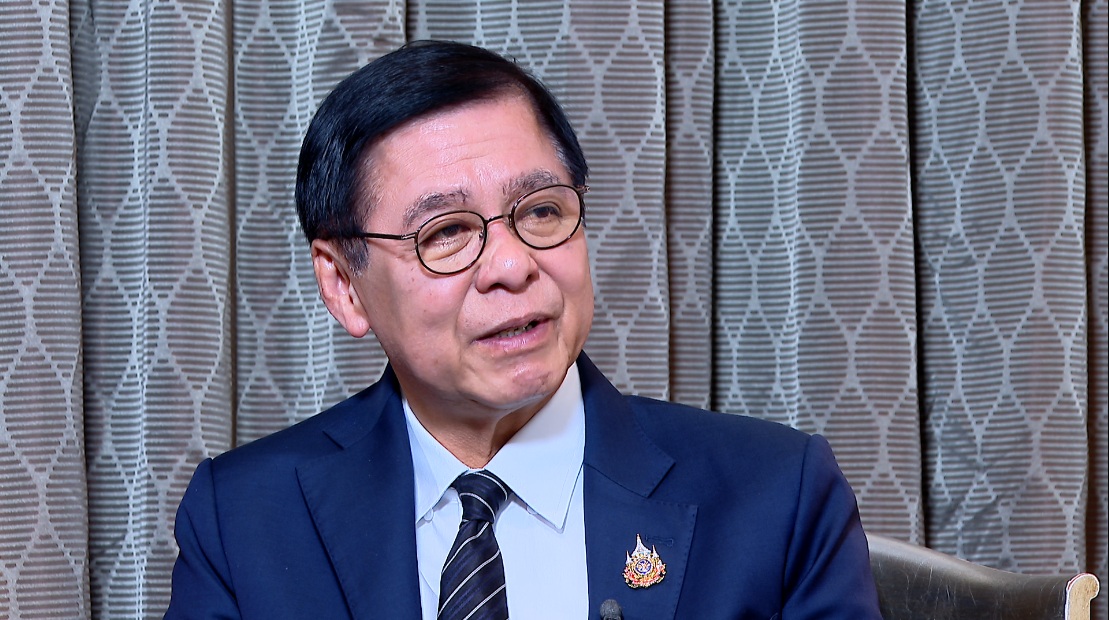
Addis Ababa, August 29, 2026 (ENA) —Ethiopia’s sea access is a justifiable quest that requires understanding from neighbors, Thailand’s Deputy Prime Minister and Minister of Foreign Affairs Sihasak Phuangketkeow said.
Phuangketkeow, who was on an official visit to Ethiopia, talked with ENA on a wide range of issues, including Ethiopia’s quest for sovereign sea port on the Red Sea.
Deep sea ports are important for trade, for investment, the Deputy Prime Minister and Foreign Minister noted, adding that Ethiopia’s sea access is therefore a legitimate quest that requires understanding from neighbors.
His remarks come at a time when Ethiopia is actively seeking to access the Red Sea, given its geographical, historical and economic circumstances.
Prime Minister Abiy Ahmed has repeatedly underlined that Ethiopia's quest for access to the sea is peaceful but its status quo of 'geographical prisoner' will no longer continue.
The Premier explained that Ethiopia's pursuit of access to the Red Sea is an over-due national aspiration.
“A population of over 130 million people cannot remain landlocked. A generation of today will not bequeath a geographically imprisoned nation to posterity,” he stressed.
The country’s geographical proximity to the Red Sea, together with its historical links to the region’s ports, has remained central to its argument for pursuing a sustainable maritime outlet.
The PM recalled Ethiopia's historically administered ports of Massawa and Assab and its naval capabilities before Eritrea’s separation.
Thailand's Deputy Prime Minister and Foreign Minister Phuangketkeow told ENA that Ethiopia shares common interest and prosperity with its neighbor.
And there are possible ways of talking with the leaders and the policymakers to see how you can work and arrangement whereby Ethiopia would have access to the port facilities, he stated.
He further noted that I’m sure that if we talk in a very frank and constructive way, and we don’t mean any ill will, it’s real progress. Countries have to learn how to move beyond conflict.
Phuangketkeow also placed Ethiopia’s aspirations within a broader call for stronger cooperation among developing countries.
According to him, “many of the conflicts that we face are not conflicts created by us. (They are) conflicts created by the major powers. So we have to be able to weave those who are like-minded. We have to get together to maintain the rules-based international system, to maintain international cooperation. You know, that’s for us. That’s the only way to go”.
He further noted that nations of the Global South need to work together more effectively to ensure their interests and receive greater weight in the international system.
“Well, I think what’s most important now is that those of us in the Global South, those of us among developing countries should make our voice heard and heard louder these days,” Phuangketkeow stressed.
The Deputy Prime Minister and Foreign Minister said many conflicts affecting developing countries are shaped by the interests of major powers and called for greater solidarity among like-minded nations to uphold international cooperation and a rules-based international system.
Underscoring a broader diplomatic vision for mutual growth, he said Ethiopia’s pursuit of sea access could be transformed from a potential source of geopolitical tension into an opportunity for regional cooperation, deeper economic integration and shared prosperity.


