African Countries Sign MoU to Strengthen Cross Border Health Security - ENA English


African Countries Sign MoU to Strengthen Cross Border Health Security
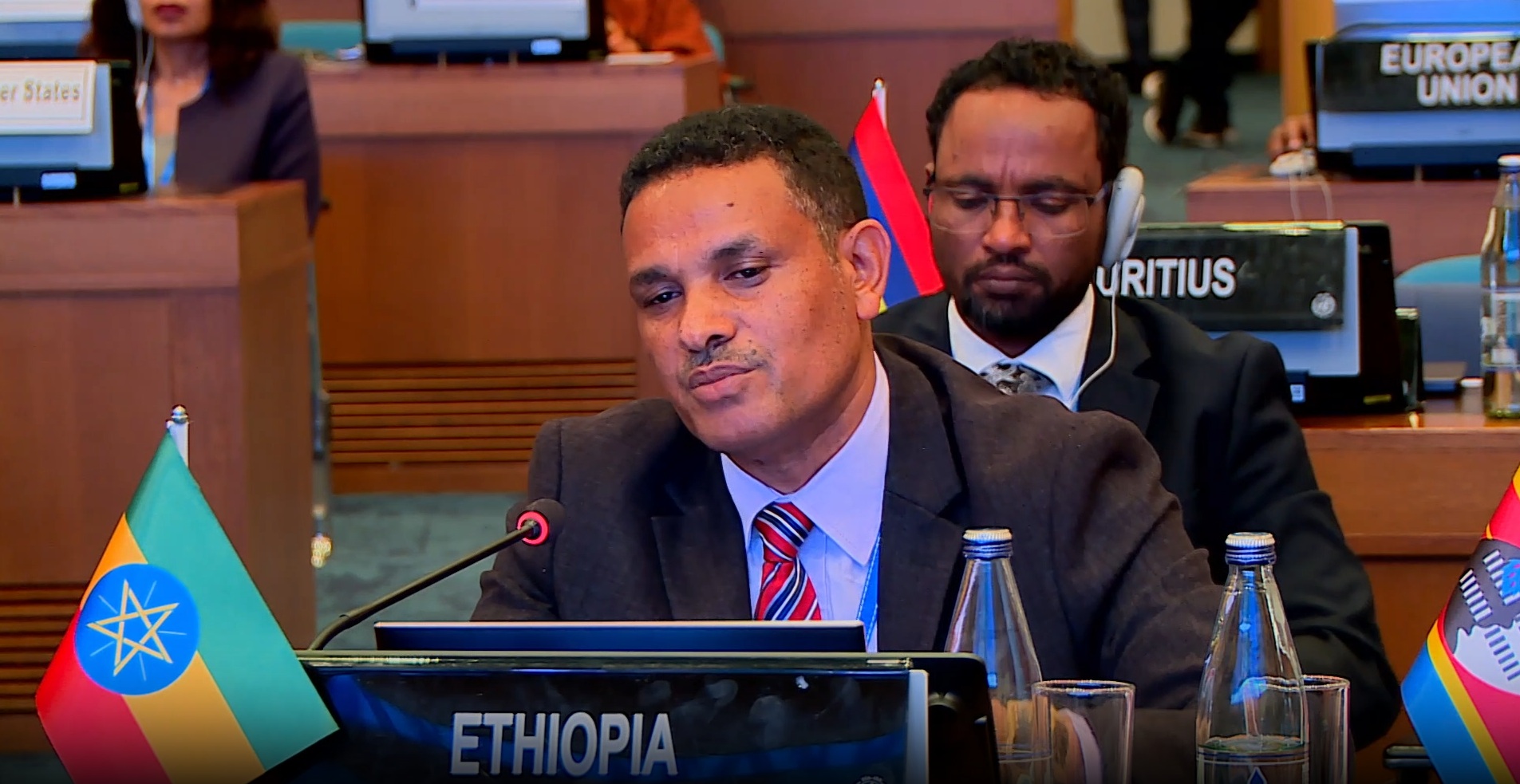
Addis Ababa, August 28, 2026 (ENA) — African countries have signed a Memorandum of Understanding (MoU) to strengthen cross border cooperation in disease prevention, health information sharing and the joint provision of medical supplies, marking a major step toward improving outbreak preparedness in Africa.
Ethiopia, Kenya, Uganda, Angola and Tanzania are among those thirteen countries that signed the agreement, which was announced during the 76th session of the WHO Regional Committee for Africa (RC76).
Ethiopian Public Health Institute (EPHI) Director General Mesay Hailu and World Bank Senior Health Specialist Tseganeh Amsalu highlighted Ethiopia’s progress in strengthening health security system and regional preparedness for disease outbreaks.
Mesay Ethiopia’s health security reforms have positioned EPHI as the national focal point for implementing the International Health Regulations (IHR), with key functions distributed across national, subnational and international public health emergency management systems.
“Following our first National Action Plan for Health Security, a joint external evaluation demonstrated an increase in overall capacity to 61 percent in 2023,” he noted.
He added that, under the second National Action Plan for Health Security, covering the period from 2024 to 2028, performance across all capacity areas is being systematically monitored.
Mesay also highlighted Ethiopia’s efforts to align its health security framework with the 2024 amendments to the International Health Regulations (IHR), including a commitment to “reviewing and realigning local laws.”
He further welcomed references to the outcome documents of the World Health Organization (WHO) and the Inter-Parliamentary Union as benchmarks for measuring progress in strengthening health security capacities at the subnational level.
While the ultimate objective is to ensure that no disease outbreak is missed, Mesay said Ethiopia has already expanded its public health emergency management structures to the district level and established targets for strengthening subnational preparedness.
Speaking about financing and regional cooperation, Tseganeh said the MoU among Ethiopia, Kenya, Uganda, Angola and Tanzania is designed to institutionalize cooperation before disease outbreaks occur.
“Primarily, this MoU is an agreement signed to strengthen cross border cooperation or collaboration between these nations,” Tseganeh said.
He explained that the agreement focuses on exchanging critical health information and facilitating the sharing of medical supplies and other commodities among the participating countries.
Tseganeh described the agreement as “a major critical milestone,” saying it demonstrates the importance of establishing cooperation proactively rather than waiting for outbreaks to occur.
For Ethiopia, he said the World Bank has pledged high level support to strengthen disease prevention capacity, develop health infrastructure and enhance human resources.
“Ethiopia being a signatory to this Memorandum of Understanding means it will play a major role,” Tseganeh said, describing the agreement as “a significant investment in terms of disease prevention and beyond that, building the capacity of other countries.”
He reaffirmed the World Bank’s continued support for Ethiopia and neighboring countries in efforts to protect populations and economies from the impact of disease outbreaks.
Tseganeh said implementation of the actions outlined in the agreement would receive support from the World Bank and other partners.
“This is a very critical stage in outbreak preparedness and response in the continent,” he said.
The MoU signing comes as African health ministers discuss a broader continental health agenda, “A New Era of Health for Africa: United Action for Vision 2035,” which seeks to accelerate progress toward universal health coverage and strengthen health security across the continent.


