Egypt Must Compensate Ethiopia for Abay Water Resources: Former Water Minister - ENA English


Egypt Must Compensate Ethiopia for Abay Water Resources: Former Water Minister
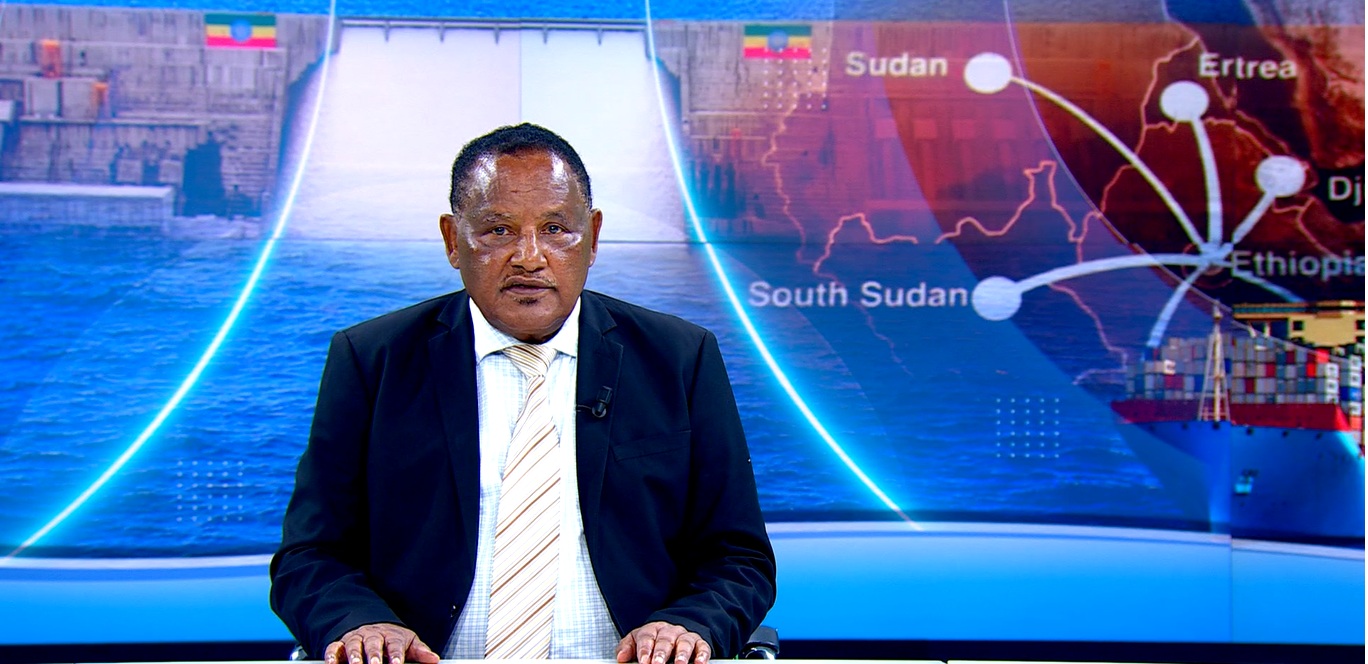
Addis Ababa, August 27, 2026 (ENA) —Former Water Minister Shiferaw Jarso called on the Ethiopian government to press Egypt for compensation over its use of Abay (Nile) water resources, stressing that Ethiopia contributes about 86 percent of the river’s flow.
Speaking to ENA, the former minister stated that Egypt’s recent threats over Ethiopia’s plans to build more water infrastructure on the Abay River were nothing new.
He stated that Egypt’s growing escalation over the Abay River will not stop Ethiopia from moving ahead with building additional dams on the river.
“Egypt keeps escalating the Nile issue,” he said, noting that Ethiopia has consistently maintained its position on equitable utilization of Nile waters.
Ethiopia has long had plans to make use of its share of Abay waters, and building additional dams is part of those established plans.
According to the former water minister, Ethiopia has already included several new dams in its water development master plan, and their construction should not be seen as a new move targeting downstream countries.
Most of the planned dams are intended for hydropower generation rather than large-scale water consumption, Shiferaw revealed.
“If we construct new dams for hydropower, there is no additional water that we are using,” he noted, adding that “the same water that we harvest in the GERD can produce energy again and again as it moves from one dam to another.”
The former water minister pointed out that Ethiopia’s dams could actually benefit downstream countries by regulating water flow and reducing water losses, including those caused by evaporation.
Shiferaw also emphasized that Ethiopia continues to release water downstream from the Grand Ethiopian Renaissance Dam (GERD), noting that the country’s goal is equitable utilization not depriving Egypt of water.
The former minister said GERD has already demonstrated Ethiopia’s ability to finance and implement major development projects on its own.
He recalled that during his tenure as minister Ethiopia was told that even a small water supply project in Gambella would require Egypt’s permission.
“That history has already passed,” Shiferaw said. “Now, we have the capacity. They are not stopping us from anything.”
Ethiopia’s continued hydropower development could ultimately benefit Egypt and other countries through electricity supply through regional energy cooperation that could create mutual economic gains, he elaborated.
Therefore, Egypt should support Ethiopia’s efforts to develop its water resources, particularly in hydropower and watershed management.
Particularly, Shiferaw called on the Ethiopian government to press Egypt to compensate Ethiopia for the use of its water resources.
Ethiopia, as the principal source of the Nile’s waters, should not merely provide the resource while downstream countries reap the bulk of its benefits; instead, he says, Ethiopia should seek an arrangement that recognizes the economic value of its water resources and ensures fair compensation and benefit-sharing.
He further explained that Ethiopia’s highland geography limits its ability to use all of its water for irrigation and consumption, meaning a significant amount naturally continues downstream.
For that reason, Ethiopia’s dam construction should be viewed not as a threat to Egypt but an opportunity for broader regional cooperation.
Addressing the wider tensions between Ethiopia and Egypt, including diplomatic pressure and regional political disputes, Shiferaw accused Egypt of pursuing policies aimed at blocking Ethiopia’s development.
He said such efforts have existed for decades, particularly in relation to the Abay Basin, and called on both the international community and Ethiopians to reject attempts to obstruct Ethiopia’s progress.
The former water minister added that Ethiopia’s diplomatic position has strengthened in recent years and that the international community increasingly understands the country’s argument for equitable use of Abay waters.
“Ethiopia will continue to develop. No one can stop us from pursuing our development, including building dams and other projects.”


