Egypt’s Abay Stance Violates AU Principles, Says Professor Yacob Arsano - ENA English


Egypt’s Abay Stance Violates AU Principles, Says Professor Yacob Arsano
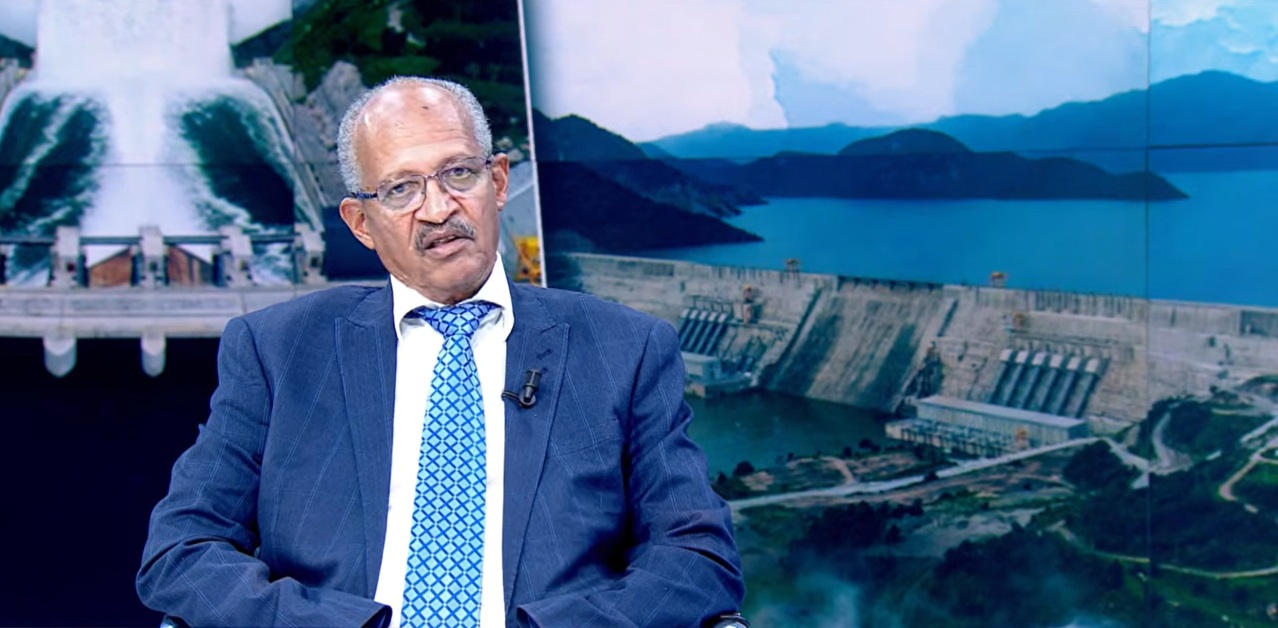
Addis Ababa, August 27, 2026 (ENA) —Egypt’s stance on Abay (Nile) River violates fundamental African Union principles on consultation, cooperation and equitable utilization of transboundary water resources, Political Science and International Relations Professor Yacob Arsano, said.
Professor Yacob, who has extensive research experience in water politics and Nile Basin affairs, also served as a member of Ethiopia’s negotiating team during the tripartite negotiations over the Grand Ethiopian Renaissance Dam (GERD).
In an exclusive interview with ENA, Professor Yacob said Egypt has consistently pursued a position that does not adequately prioritize consultation, cooperation and equitable utilization of the Nile waters.
He described Egypt’s claim to be the sole owner and beneficiary of the Abay as unjustified, arguing that such a position constitutes an obstacle to the joint development and sustainable utilization of the river.
The professor also rejected calls for third-party mediation in Nile disputes, saying they undermine the African Union’s principle of “African solutions to African problems.”
He said recent narratives and propaganda surrounding the Nile issue should be viewed in the context of Egypt’s longstanding position on the river.
Noting that more than 86 percent of Abay (Nile) waters originate in Ethiopia, Professor Yacob emphasized that Ethiopia’s water diplomacy is based on joint development, equitable utilization and cooperation among Nile Basin countries.
He further stressed that Egypt’s objections and opposition cannot prevent Ethiopia from utilizing its water resources for national development.
According to Professor Yacob, the construction, filling and management of the GERD have been carried out in accordance with relevant international principles and agreements.
Ethiopia has consistently maintained that the project will not cause significant harm to downstream countries.
He said Ethiopia remains at an early stage of developing its water resources and has the sovereign right to undertake additional water development projects in the Nile Basin beyond the GERD.
“Ethiopia does not need anyone’s permission to develop its water resources,” he said, while emphasizing that Ethiopia remains committed to cooperation.
However, Professor Yacob stressed that Ethiopia’s position on utilizing its water resources should not be interpreted as opposition to cooperation with downstream countries.
“Ethiopia’s door is always open to cooperation,” he said.
He also underscored the importance of dialogue, mutual understanding and equitable utilization of the Nile waters.
He said sustainable management of the Abay requires all basin countries to move away from unilateral positions and work toward a cooperative framework that recognizes the interests and development needs of all Nile Basin states.


