GERD Offers Blueprint for Africa’s Self-Reliance, Says Hailemariam - ENA English


GERD Offers Blueprint for Africa’s Self-Reliance, Says Hailemariam
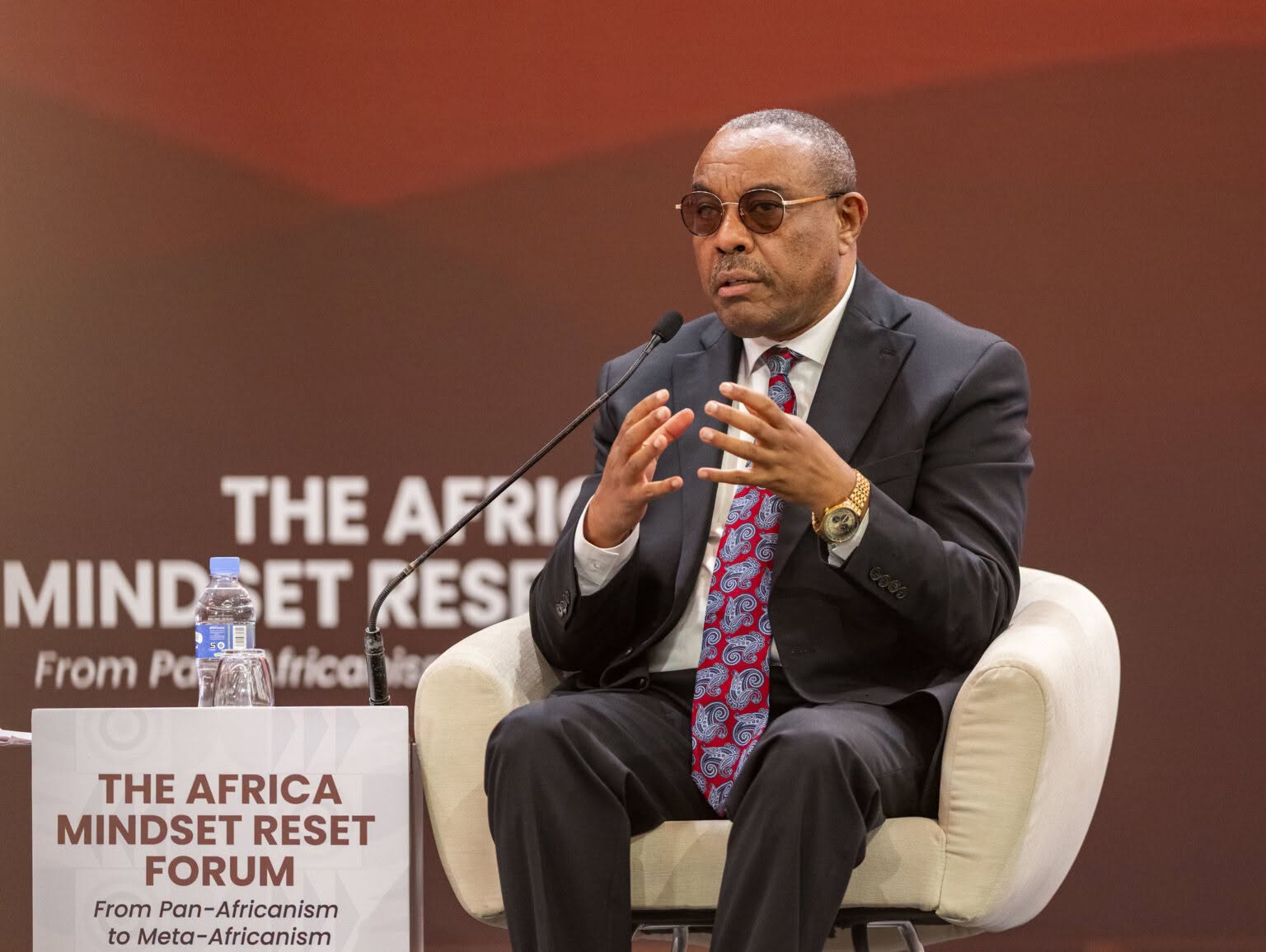
Addis Ababa, August 26, 2026 (ENA) —Former Ethiopian Prime Minister Hailemariam Desalegn said Ethiopia’s experience in financing and building the Grand Ethiopian Renaissance Dam (GERD) demonstrates how African countries can drive their own development through self-reliance and greater ownership.
Speaking at the Africa Mindset Reset Forum in Kigali, Hailemariam said Africa must increasingly shape its development through its own resources, institutions, human capital and strategic choices rather than relying primarily on externally defined models.
He cited Ethiopia’s development experience over recent decades as evidence that deeply rooted narratives of dependency can be challenged through deliberate national action.
Among the examples he highlighted was the expansion of agricultural extension services, which brought tens of thousands of extension workers closer to rural communities and helped strengthen agricultural productivity.
He also emphasized Ethiopia’s development-oriented economic policies and efforts to mobilize domestic resources as important elements of its development experience.
But the GERD stood at the heart of his argument.
According to a report by Top African News, Hailemariam described the dam as a practical demonstration of what African countries can accomplish when they mobilize domestic resources around a strategic national objective.
After Ethiopia was unable to secure conventional international financing for the project, the country turned to its citizens and domestic financial institutions.
Ethiopians from different walks of life contributed through bond purchases and other forms of domestic financing, making the GERD more than an infrastructure project.
It became a symbol of national ownership, collective determination and Ethiopia’s drive for development self-reliance.
Hailemariam argued that the broader lesson for Africa is a need to change the continent’s development mindset—from viewing Africa primarily as a recipient of assistance to recognizing its capacity to generate solutions, mobilize capital and determine its own priorities.
“Continental agency,” in this context, begins with confidence in Africa’s people, resources and institutions.
The former prime minister said Ethiopia’s experience could offer valuable lessons to other African countries seeking to strengthen institutions, mobilize domestic capital, invest in human capacity and reduce vulnerability to external economic shocks.
The significance of the GERD, therefore, extends beyond electricity generation and the Nile Basin.
It has become part of a broader African debate over how the continent can finance transformative infrastructure, build productive economies and engage the global system from a position of greater strength.
Yet Hailemariam’s argument also points to a larger challenge: individual national successes must be transformed into durable continental systems of cooperation, investment, innovation and knowledge sharing.
For Hailemariam, the GERD experience carries a message that reaches far beyond Ethiopia: Africa’s development agency will ultimately depend on the continent’s ability to trust its own capabilities, mobilize its own resources and turn national achievements into shared continental progress.


