FAMSA Commends Ethiopia’s Progress in Health Sector - ENA English


FAMSA Commends Ethiopia’s Progress in Health Sector
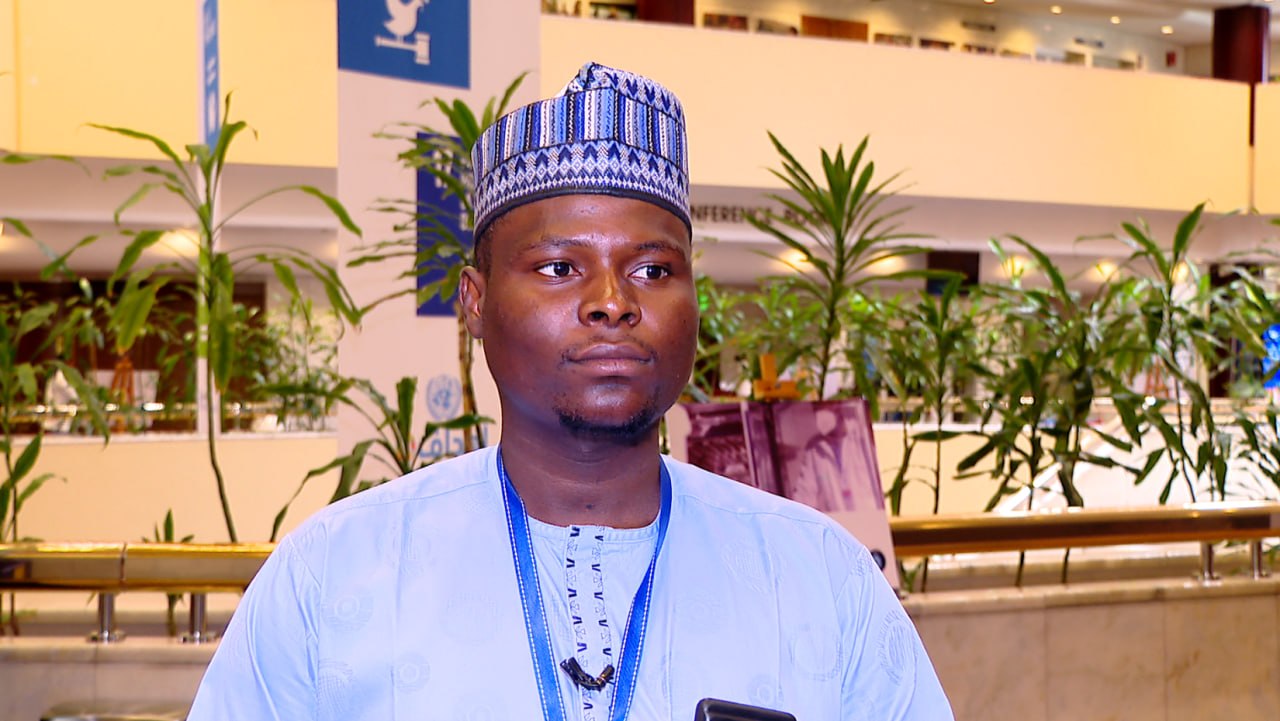
Addis Ababa, August 26, 2026 (ENA) —Federation of African Medical Students Association (FAMSA) has commended Ethiopia’s progress in the health sector, highlighting the policies and measures that are moving the country in the right direction.
Yusuf Auual Yehia, President of FAMSA, made the remarks during an interview with the ENA on the sidelines of the 76th Session of the WHO Regional Committee for Africa.
He noted that the presentation by Ethiopia’s Minister of Health, particularly regarding advancements in maternal and child health, demonstrates tangible progress across the sector.
He said the issues highlighted by the minister reflected ongoing efforts to improve health services and strengthen the health system’s capacity to respond to citizens’ needs.
“Based on what I heard in the presentation by Ethiopia’s Minister of Health, I can say that Ethiopia is on the right track, particularly in the area of maternal and child health,” he said.
He noted that sustaining the current trajectory could place Ethiopia in an advanced position compared with many African countries in healthcare.
Turning to challenges facing Africa’s health systems, the president identified the shortage of health professionals as one of the major constraints facing the continent.
Health sector financing is another significant challenge, he said, particularly for countries that rely heavily on external support to finance healthcare services.
He explained that changes in the international environment have reduced the availability of external financing, putting additional pressure on health systems across the continent.
The migration of health professionals is also a major concern, he said, noting that many health care workers are moving to Europe and North America in search of better employment opportunities.
He also stressed that addressing these challenges requires African countries to strengthen their capacity to build sustainable health systems through greater investment in human resources, domestic financing and local production.
In this regard, he underscored the importance of expanding vaccine, medicine and pharmaceutical manufacturing in Africa, saying local production could strengthen the continent’s health security and public confidence in locally produced health products.
He noted that some African communities continue to face challenges in accepting imported vaccines, adding that developing local vaccine manufacturing capacity could help increase confidence in health products produced within the continent.
Local manufacturing, he said, would also generate economic benefits beyond the health sector by reducing import costs, duties, taxes and other expenses associated with importing medicines, vaccines and other health products.
Africa’s large market and abundant human resources provide significant opportunities for developing pharmaceutical and other health related industries locally, he said.
The president also stressed that investment in domestic production could create employment opportunities for young people, increase incomes and contribute to economic growth across the continent.
He added that strengthening local production would enable African countries to reduce their dependence on external sources for strategic health products and improve their capacity to respond to future health emergencies.
Cooperation among African countries and the exchange of expertise could further support efforts to strengthen health and industrial capacities and make better use of the continent’s human resources, he said.
He stressed that the future of healthcare in Africa is closely linked to the continent’s ability to invest in its people, expand local production and strengthen cooperation among African countries.
“Local production will be an important step for Africa in addressing the current challenges related to economic development, strengthening health systems, and many other areas,” he affirmed.
According to him, building a strong African production base could generate benefits extending beyond health care by supporting economic growth, creating employment opportunities and strengthening the continent’s capacity to rely on its own resources.


