WHO Representative Hails PM Abiy’s Vision for AI, Digital Health and Green Development in Ethiopia - ENA English


WHO Representative Hails PM Abiy’s Vision for AI, Digital Health and Green Development in Ethiopia
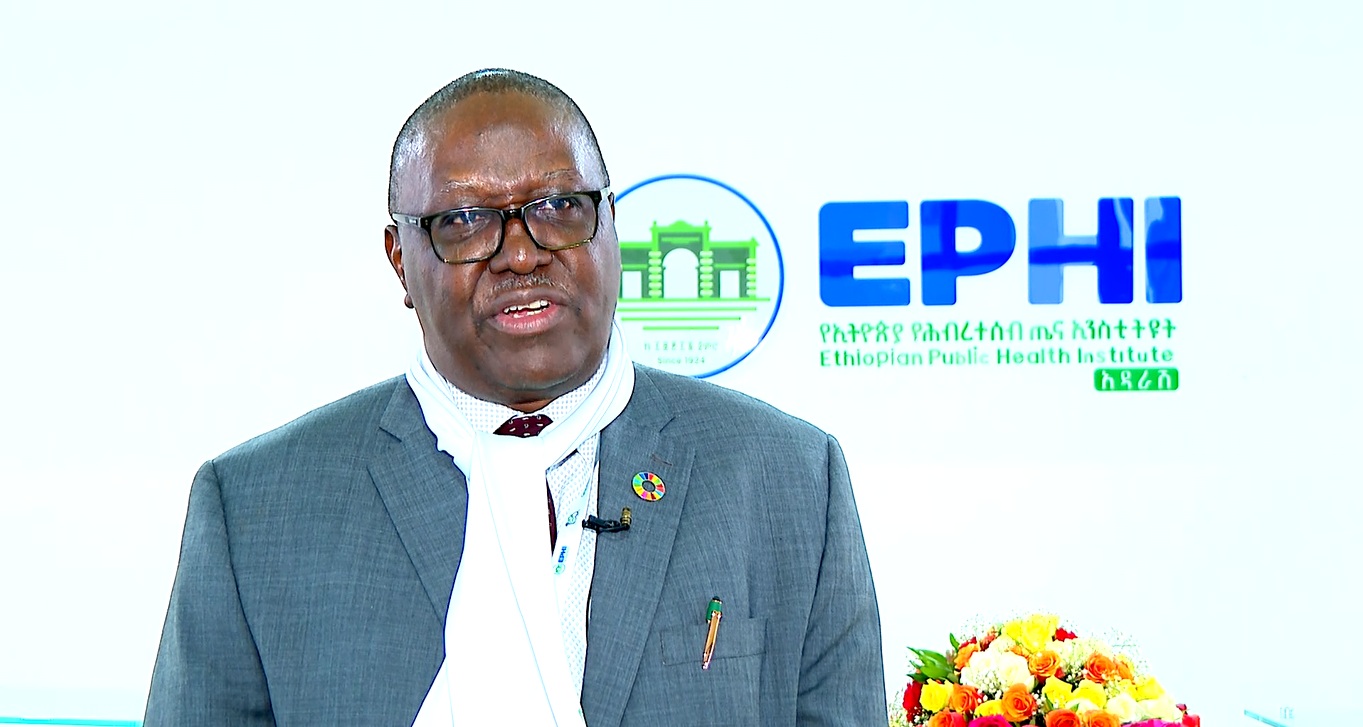
Addis Ababa, August 24, 2026 (ENA) —The World Health Organization (WHO) Ethiopia representative has commended Prime Minister Abiy Ahmed for his forward-looking approach in integrating Artificial Intelligence (AI) and digital health technologies with major national development initiatives.
The major national development initiatives include the Green Legacy Initiative (GLI), urban renewal projects and riverside developments.
Speaking to ENA, WHO Representative to Ethiopia, the African Union and the United Nations Economic Commission for Africa (UNECA), Francis Chisaka Kasolo, described Ethiopia as a frontrunner in harnessing emerging technologies to advance public health.
“Indeed, the Prime Minister is the champion for artificial intelligence and digital health, and an award that was given by the African Union,” Kasolo said.
He further highlighted the institutional recognition of Ethiopia’s efforts to advance digital health.
The representative said WHO is committed to supporting Ethiopia’s digital transformation in the health sector.
“We want to work with the country and the government and the Ministry of Health to really push this digital agenda,” Kasolo said.
He also stressed that AI and other digital tools should go beyond disease prediction and help transform how countries plan and deliver health services.
Kasolo also emphasized that health should be addressed as a cross sectoral issue extending beyond medical treatment.
“The World Health Organization has recognized that health is no longer just about treatment. It's about addressing the determinants of health,” he said, citing climate change, environmental degradation and humanitarian shocks among the factors that significantly affect public health.
He stressed the importance of prevention, saying, “We would want to prevent ill health before it happens.”
According to Kasolo, improving air quality and creating safer and healthier environments can reduce respiratory diseases and contribute to preventing some forms of cancer, making environmental policies an important component of public health.
He specifically linked Ethiopia’s Green Legacy Initiative and urban development projects to preventive health measures.
“The GLI, for example, promotes, for instance, clean air. Clean air leads to good health and reduction in respiratory diseases,” he said.
Kasolo also highlighted the health benefits of Addis Ababa’s corridor development projects, particularly improvements in sanitation.
“The corridor project, for instance, also improves sanitation,” he said, noting that expanding similar improvements across the country could help reduce waterborne diseases.
“Such initiatives are what we would want the government of Ethiopia to invest in before we start treating conditions that emerge because of poor environment,” he said.
Kasolo called for Ethiopia’s approach to be replicated across Africa, saying investments in green infrastructure and healthier urban environments can contribute significantly to improving public health.
“Certainly, these initiatives are what we would want to see across the continent because they contribute to good health, not only beautifying the city, but also to good health,” he said.
His remarks underscore the growing convergence between digital innovation, environmental protection and public health in Ethiopia’s development agenda, with WHO viewing such integrated approaches as important tools for strengthening health security across Africa.


