Ethiopia Pledges to Position Addis Ababa as Africa’s Health Investment Hub - ENA English


Ethiopia Pledges to Position Addis Ababa as Africa’s Health Investment Hub
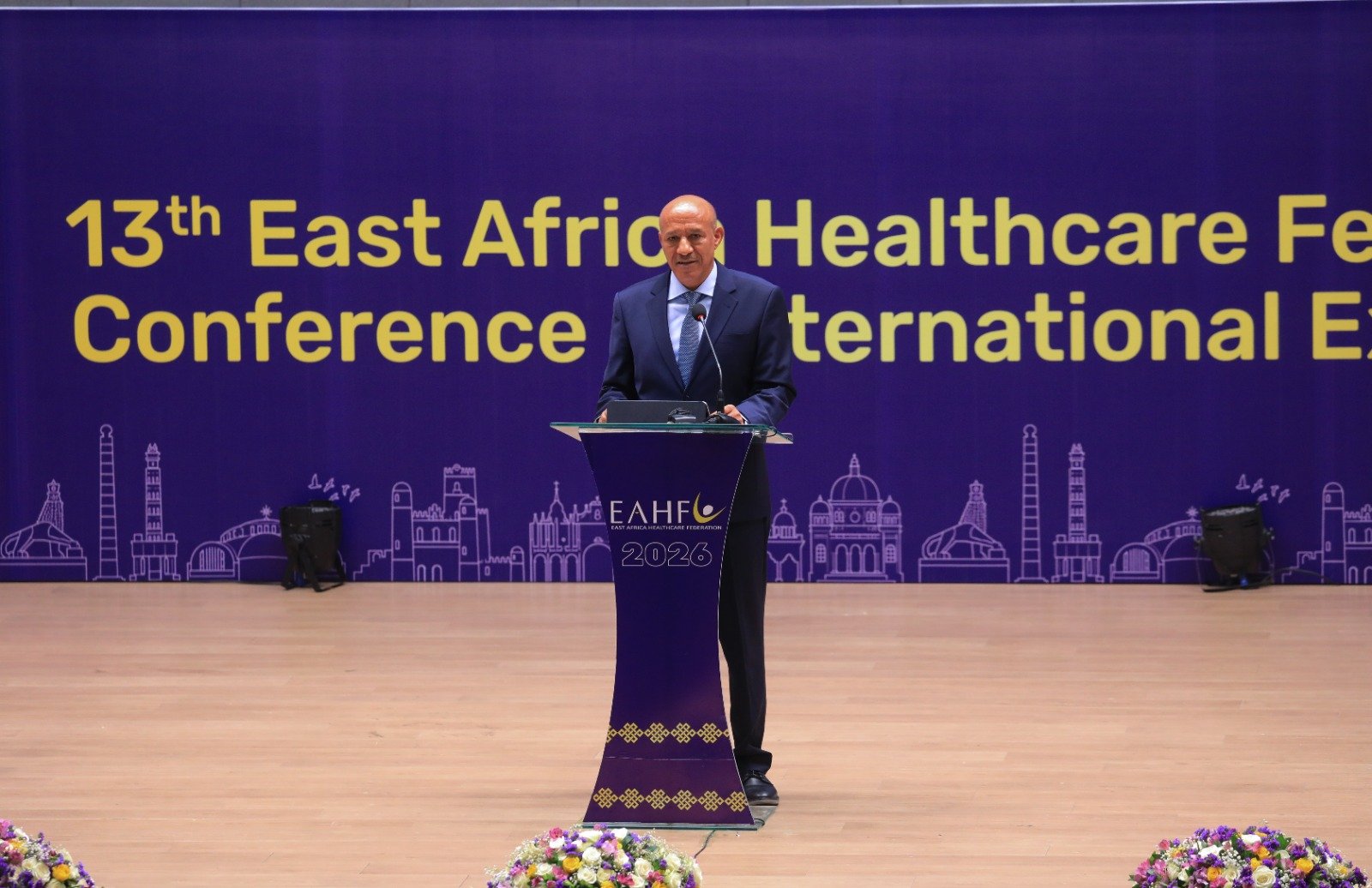
Addis Ababa, August 21, 2026 (ENA) —Ethiopia is seeking to position Addis Ababa as a leading African hub for specialized healthcare, medical investment and regional health cooperation, Deputy Prime Minister Temesgen Tiruneh said.
Temesgen made the remarks while opening the 13th East Africa Healthcare Federation Conference and Exhibition at the Adwa Victory Memorial Museum in Addis Ababa under the theme “Resilience: Building the East African Health Economy.”
The conference brings together governments, health leaders, investors and development partners to advance resilient, equitable and productive health systems capable of strengthening Africa’s health security and contributing to economic growth.
In his opening address, Temesgen called for a fundamental shift in Africa’s approach to healthcare, urging greater local production, regional integration and public-private investment to build health systems.
This would be vital to building a health system capable of protecting the continent’s people while driving economic prosperity, he noted.
He said health resilience must go beyond recovering from crises and focus instead on building Africa’s capacity to anticipate challenges, respond independently and turn healthcare into a source of economic strength.
Drawing on the legacy of Adwa, Temesgen said Africa can overcome its vulnerabilities when countries unite around common objectives and develop the capacity to act collectively.
“As the lesson of Adwa reminds us, when Africans organize around a common purpose and build the capacity to act, we can change our circumstances,” he said.
Temesgen said Ethiopia is committed to translating that vision into action by positioning Addis Ababa as a leading destination for specialized healthcare and medical tourism, expanding domestic production of pharmaceuticals, medical equipment and diagnostics, and deepening public-private partnerships and regional cooperation.
“Today, sovereignty is also the ability to protect the health of our people,” he said.
He said health sovereignty means being able to care for patients without excessive dependence on distant supply chains, produce essential medicines locally, train and retain health professionals, and respond effectively to future epidemics.
The Deputy Prime Minister stressed that resilient health systems must do more than survive crises; they must serve communities, create economic opportunities and contribute to Africa’s long-term prosperity.
“Resilience cannot mean simply recovering from the last crisis. It must mean preparing for the next one,” Temesgen said. “It must mean building the capacity to act for ourselves and turning health from a story of vulnerability into a source of African strength.”
Temesgen also announced that the Government of Ethiopia is ready to support the establishment of the continental headquarters of the Africa Healthcare Federation in Addis Ababa, a move he said would further strengthen the capital’s role as a platform for African health investment, policy dialogue and cooperation.
“We are ready to work with the Federation and the relevant institutions on the consultations, legal arrangements, and practical steps necessary to make this possible,” he said.
According to Temesgen, Africa’s private health sector needs a strong continental platform close to the African Union and Africa CDC, where governments and businesses can engage continuously, connect policy with investment, scale innovation and expand African solutions into African markets.
“Addis Ababa is ready to provide that home,” he said.
He said Ethiopia would continue strengthening structured engagement with the private healthcare sector, emphasizing that dialogue must translate into tangible investment projects, stronger institutions, better services, more affordable care and improved health outcomes.
Temesgen also called for deeper health cooperation across East Africa, noting that diseases, supply chains and investment flows do not stop at national borders.
The region, he said, needs to share markets, harmonize standards, strengthen cross-border referral systems, prepare jointly for health emergencies and develop its health workforce collectively.
“This conference should help build that East Africa,” he said.


