Investment-Driven Action pivotal to Advance Kampala Agricultural Framework: Senior Advisor - ENA English


Investment-Driven Action pivotal to Advance Kampala Agricultural Framework: Senior Advisor
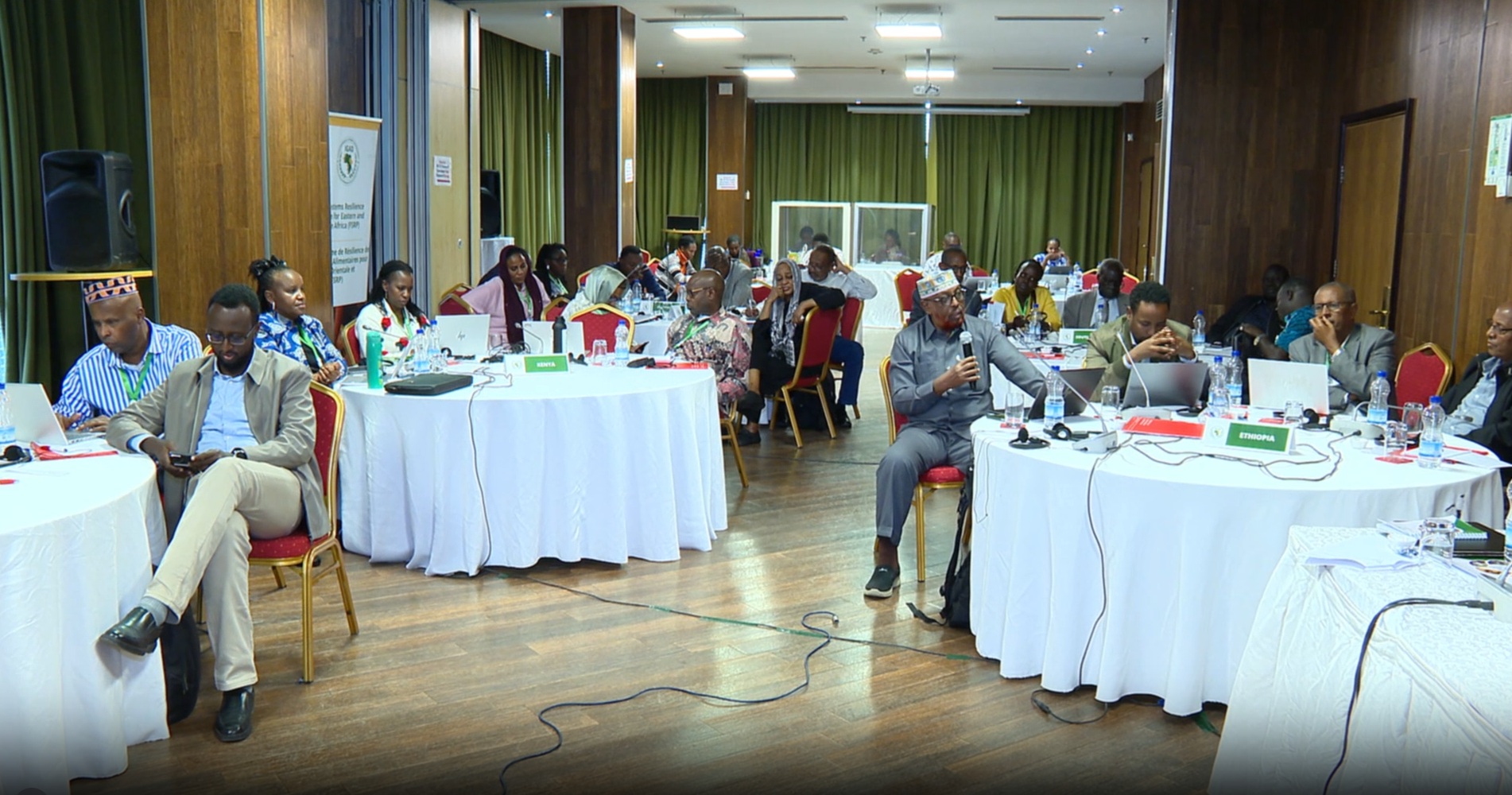
Addis Ababa, August 19, 2026 (ENA) — Ethiopia urges investment-driven action in a bid to advance Kampala Agricultural Framework, Senior Advisor to the Minister of Agriculture said.
According to Senior Advisor to the Minister of Agriculture Zena Habtewold, Ethiopia called for immediate, investment-driven action to translate lessons from the latest regional agricultural performance review into national policies and accelerate the rollout of the Kampala Framework.
The Kampala Framework is Africa’s master plan for agriculture spanning from 2026 to 2035.
Speaking at the conclusion of the two-day regional dialogue on the fifth Comprehensive Africa Agriculture Development Programme (CAADP) Biennial Review in Addis Ababa, the Senior Advisor emphasized that shifting to the new framework requires immediate action and boosted funding.
According to Zena, the review offered a vital opportunity to assess regional agricultural performance, identify structural bottlenecks, and extract practical lessons to guide the transition from the previous Malabo commitments to the Kampala Framework.
"The review highlighted the urgent need to address climate shocks, soil degradation, market fragmentation, and financing constraints while strengthening resilient agri-food systems across the region," Zena noted.
He further clarified that the dialogue generated concrete recommendations to refine national domestication guidelines, harmonize indicator frameworks, and strengthen regional agricultural networks.
According to Zena, Ethiopia is committed to domesticating the Kampala Framework and operationalizing its National Agri-Food Systems Investment Plan (NASIP).
He further highlighted ongoing national priority initiatives, including expanded irrigated wheat production, the “Bounty of the Basket” (Yelemat Tirat) program, and integrated value-chain investments.
Intergovernmental Authority on Development (IGAD) member states should refine their national strategies and mobilize the necessary resources to sustain agricultural transformation and boost food security, he urged.
Echoing these priorities, Sylvia Henga, representing the Director of IGAD’s Agriculture and Environment Division, stressed that while the region shifts toward a broader agri-food systems approach, primary agricultural production must remain at the core.
Henga noted that member states making progress in production must increasingly pivot toward post-harvest management, value addition, and agro-industrialization to turn higher yields into tangible economic and food security benefits.
Henga emphasized that significant quantities of agricultural produce are currently lost due to food safety challenges, poor transport, and inadequate storage facilities, calling for stronger post-harvest infrastructure and cross-border food safety facilities to smooth regional trade.
She further encouraged IGAD nations to leverage the African Continental Free Trade Area (AfCFTA) by dismantling tariff and non-tariff barriers, thereby enabling seamless trade between surplus-producing countries and those facing food deficits.
Closing her remarks, Henga emphasized that as processing and trade expand, countries must maintain rigorous food safety and quality standards to feed local populations nutritious food while satisfying export market demands.
She further urged sustained regional dialogue, integration, and cooperation to tackle food insecurity, malnutrition, and food waste, particularly within fragile, conflict-affected settings.


