Ethiopians Ready to Harness Rivers for More Mega Dams, Says GERD Public Participation Chief - ENA English


Ethiopians Ready to Harness Rivers for More Mega Dams, Says GERD Public Participation Chief
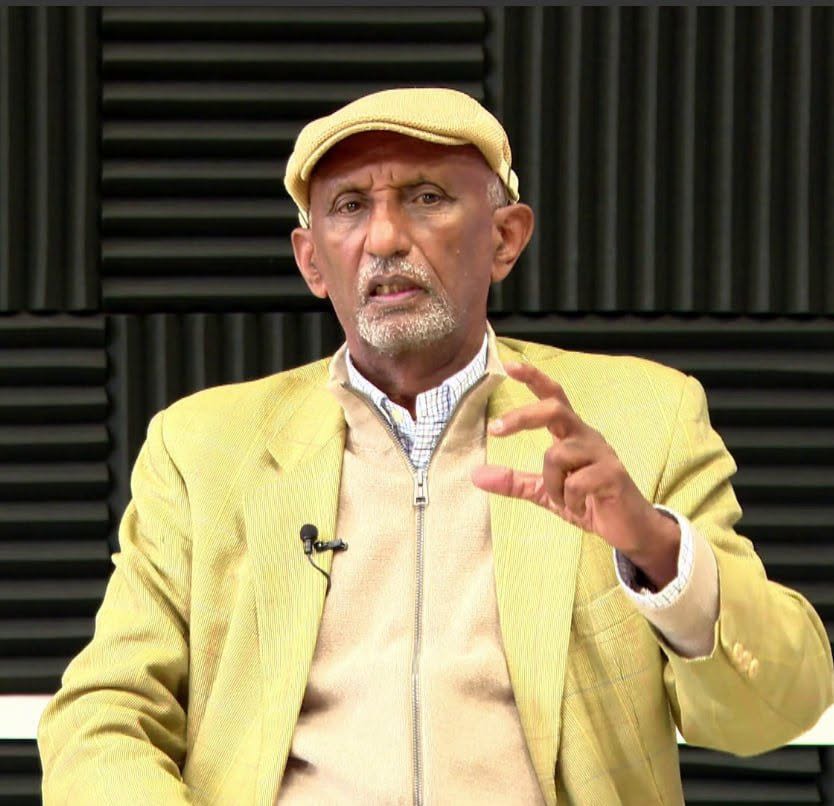
Addis Ababa, August 19, 2026 (ENA) —Ethiopians have demonstrated both the capacity and readiness to construct additional dams on the country’s rivers, Director General of the Office of the National Council for the Coordination of Public Participation in the Construction of GERD, said
Speaking to ENA, Director General, Aregawi Berhe said the successful completion of GERD has demonstrated Ethiopia’s ability to mobilize its people and resources around major national development projects.
The Grand Ethiopian Renaissance Dam (GERD) Coordination Office played a key role in coordinating public participation throughout the construction of the landmark project, helping sustain nationwide support for the dam.
Aregawi said the experience gained through the GERD has created an important foundation for Ethiopia to pursue further investments in hydropower and other major water infrastructure projects.
He said Ethiopians have shown that they possess the determination, collective strength and practical experience needed to undertake additional ambitious development projects.
Aregawi also said the GERD has helped correct a long-standing distorted perception regarding the equitable utilization of the Abay (Blue Nile) waters.
The project, he noted, has provided practical evidence that Ethiopia can utilize its water resources for national development without harming any country.
Instead, he said, the GERD is strengthening regional integration by expanding electricity generation and creating opportunities for greater economic cooperation.
The recently inaugurated GERD, Africa’s largest hydropower plant, represents one of the continent’s most significant engineering achievements and a landmark in Ethiopia’s development journey.
The completion of the project has also generated renewed calls among hydropower experts and policy observers for Ethiopia to build on the momentum by expanding investment in additional dams and energy infrastructure, particularly along the Abay River.
Ethiopia contributes a substantial share of the Nile waters through the Abay River system, making the river central to the country’s hydropower potential, industrialization and broader economic ambitions.
However, Aregawi criticized continued efforts by Egypt to deny the outcomes demonstrated by the GERD and to create confusion through public statements and campaigns.
He stressed that the Abay is a shared resource of the Nile Basin that should be utilized responsibly and cooperatively by basin countries, rather than treated as the exclusive property of any single country.
Ethiopia’s objective, he said, is development through cooperation and mutual benefit.
Aregawi further emphasized that one of the GERD’s most important legacies is the experience Ethiopia gained in mobilizing public participation around a complex national project.
The extensive public engagement during the dam’s construction demonstrated the potential of collective national action and generated valuable experience in mobilizing citizens and resources for major development initiatives.
He said this experience will serve as an important asset for future projects, enabling Ethiopia to build on the unity, determination and public participation that helped turn the GERD from an ambitious national vision into a historic reality.
Many hydropower experts say GERD stands not only as a major source of clean energy but also as a demonstration of Ethiopia’s growing capacity to pursue large-scale development projects through collective effort, national ownership and cooperation.


