Ethiopia Steps Up Efforts to Prevent Child Wasting - ENA English


Ethiopia Steps Up Efforts to Prevent Child Wasting
Addis Ababa, August 18, 2026 (ENA) —Ethiopia is stepping up efforts to prevent child wasting by strengthening government leadership, increasing investment in nutrition, improving health systems and expanding community engagement, Mebratu Massebo, Chief of Staff at the Ministry of Health said.
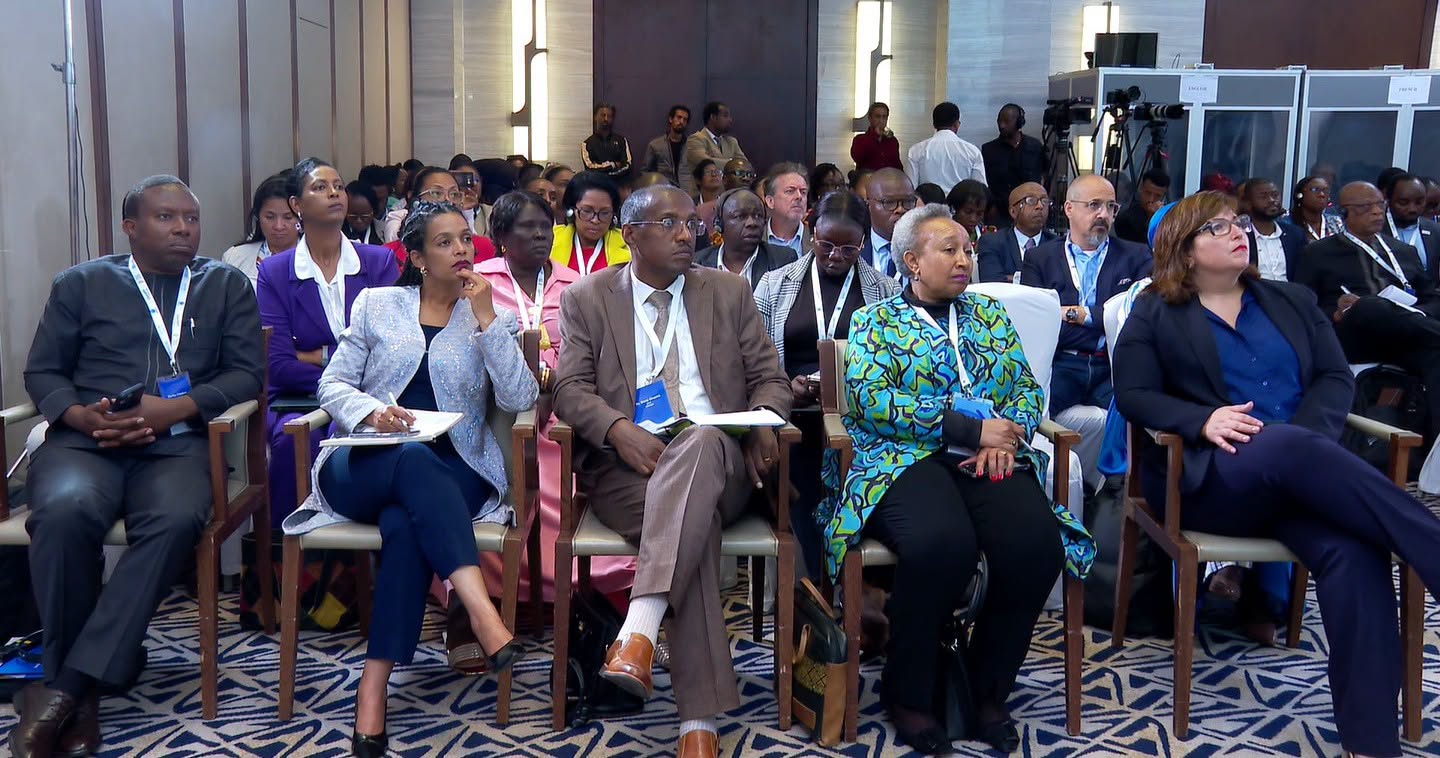
He made the remarks at the first regional review and learning meeting on child wasting that opened in Addis Ababa today.
The four-day meeting has brought together representatives from 11 African countries, regional and international organizations, and development partners.
Ethiopia is placing greater emphasis on preventing child wasting rather than relying solely on treatment after acute malnutrition occurs, the Chief of Staff at the Ministry of Health said.
According to him, the country is strengthening early identification of nutrition risks, community-based systems and access to essential health and nutrition services and supplies.
Ethiopia is also pursuing a multisectoral approach to malnutrition by bringing together ministries and institutions working in areas including agriculture, education, social protection, women's affairs and disaster risk management.
Mebratu noted that food insecurity, poverty, climate-related shocks and displacement are among the factors contributing to malnutrition, requiring coordinated interventions beyond the health sector.
He further said the government has increased its financial commitment to nutrition, including funding for severe acute malnutrition programs, making nutrition a major budget priority.
The annual budget allocated to nutrition increased fivefold last year and by 26 percent this year, he said.
WHO Representative and Head of Mission to Ethiopia, Professor Francis Chisaka Kasolo, said Africa continues to face one of the world's highest burdens of child wasting.
He called for sustained political commitment, predictable financing, stronger partnerships and national systems capable of preventing wasting, identifying cases early and providing timely and quality treatment.
Global Director for Child Nutrition and Development at UNICEF, Joan Matji, said more than 42 million children under five are affected by wasting worldwide. Out of these, 12 million experience life-threatening form.
She said child wasting has multiple and interconnected causes, including inadequate diets and feeding practices, while conflicts, humanitarian emergencies, displacement, disease outbreaks, economic instability and climate-related shocks are further increasing children's vulnerability.
Matji stressed that government leadership, effective partnerships and coordinated contributions from development partners are essential to advance efforts to prevent and treat child wasting.
For his part, Ireland's Deputy Head of Mission, Fergal Ryan, said preventing acute malnutrition and wasting should be the primary objective of all.
He said effective prevention requires multisectoral action involving health, social protection, water, sanitation and hygiene (WASH), and food systems.
The UN–Ireland Partnership on Child Wasting regional review is assessing three years of progress, sharing country experiences, identifying remaining gaps and setting priorities for the next phase of action.
Participants are also discussing lessons learned and challenges and exploring ways to strengthen and accelerate efforts to prevent, detect and treat child wasting across Africa.


