HiiL Hails Ethiopia’s Grassroots Justice Reform as Model for People-Centered Justice - ENA English


HiiL Hails Ethiopia’s Grassroots Justice Reform as Model for People-Centered Justice
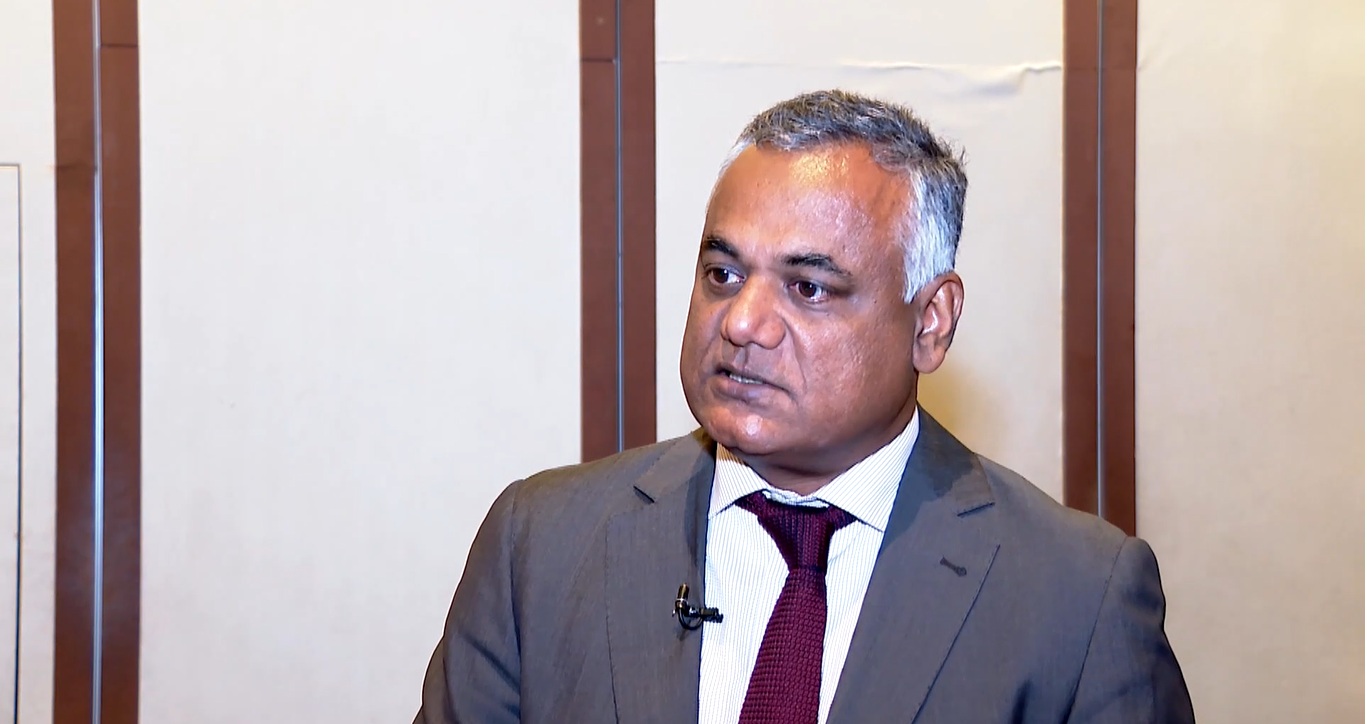
Addis Ababa, August 17, 2026 (ENA) —Ethiopia’s efforts to transform its justice system by bringing dispute resolution closer to communities are earning international recognition, with the Hague Institute for Innovation of Law (HiiL) describing the country as “one of the leaders in transformative justice.”
HiiL Chief Operating Officer, Shekhar Pula praised Ethiopia’s growing use of Community Justice Centers (CJCs) and its efforts to integrate traditional elders into the justice system.
The approach could provide a more accessible, efficient and peaceful model of justice, Pula said.
“Ethiopia is definitely one of the leaders in transformative justice and new ways of handling justice,” Pula told ENA that the Ministry of Justice for its commitment to alternative dispute resolution and people-centered justice.
“Ethiopia is definitely at the top in those countries that are doing a very, very good job,” he said, highlighting the country’s potential to share its experience with other nations while learning from international best practices.
Pula particularly praised Ethiopia’s engagement with traditional elders, citing his visit to Sidama last year during the launch of a Community Justice Center.
He said the Ministry of Justice had demonstrated respect for traditional leaders while providing guidance on how their longstanding community-based dispute resolution practices could work alongside the formal justice system.
“This has promise. This can expand, this can work well for Ethiopia going forward,” Pula said, noting that the approach could help resolve disputes more quickly and contribute to a more peaceful society.
The model also offers a practical solution to one of the longstanding challenges of justice delivery: distance.
“It’s also a justice of proximity,” Pula said, explaining that people can access justice within their own communities instead of traveling to major cities or distant courts.
He said guidelines developed for traditional leaders can further strengthen the system by promoting more consistent and informed approaches to resolving disputes while preserving the community-level advantages of traditional mechanisms.
At the heart of Ethiopia’s justice reform efforts, Pula pointed to the country’s 2019 Justice Needs and Satisfaction Survey, describing it as a “lighthouse” that helped identify gaps in the justice system and provided an important foundation for people-centered reforms.
The survey, he said, demonstrated the importance of designing justice services around the actual needs and experiences of citizens.
“We work in several countries, and we find that the commitment by the ministry in Ethiopia is exemplary,” Pula said. “They are really ahead and want to do a lot of the work that we’re doing together in partnership.”
HiiL’s engagement with Ethiopia dates back to 2019, when it signed a Memorandum of Understanding with the then Office of the Attorney General. Since then, the organization has supported pilot Community Justice Centers in Sidama and Afar regions as well as in and Addis Ababa, aimed at connecting formal justice institutions with community-based and traditional mechanisms.
The initiative reflects a broader effort to make justice not only more accessible, but also more responsive to the realities of citizens, particularly those who face geographic, financial or institutional barriers to formal courts.
By bringing justice services closer to communities and creating space for traditional institutions to contribute within a clearer framework, Ethiopia is seeking to combine established community practices with modern justice standards.
The approach also comes at a significant moment for Ethiopia, as the country advances its transitional justice process and national dialogue efforts aimed at addressing longstanding grievances, strengthening social cohesion and building more peaceful mechanisms for resolving differences.
For HiiL, Ethiopia’s experience offers lessons that extend beyond its borders.


