Stronger Seed Banks, Increased Fertilizer Production Vital to Boost Africa’s Agricultural Productivity - ENA English


Stronger Seed Banks, Increased Fertilizer Production Vital to Boost Africa’s Agricultural Productivity
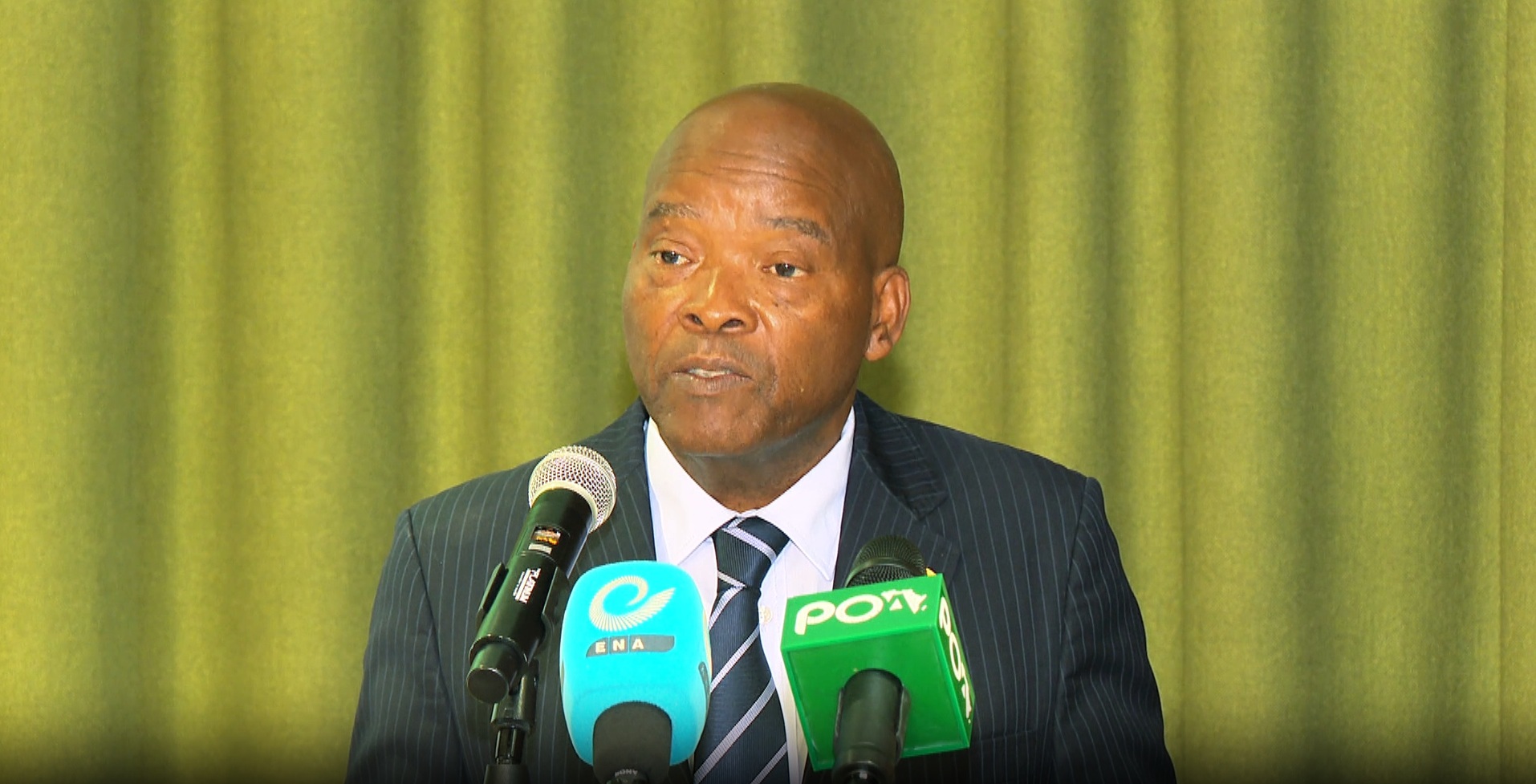
Addis Ababa, August 17, 2026 (ENA) —The African Union has called for stronger seed banks to conserve indigenous crop varieties and increased investment in domestic fertilizer production to boost agricultural productivity across the continent.
Moses Vilakati, African Union Commissioner for Agriculture, Rural Development, Blue Economy and Sustainable Environment, said Africa has 60 percent of the world’s uncultivated arable land, yet spends more than 100 billion USD annually on food imports.
A two-day consultation on agricultural transformation among member states of the Intergovernmental Authority on Development (IGAD) and the implementation of the Kampala Declaration, which will run from 2026 to 2035, began in Addis Ababa today.
The consultation is reviewing the two-year implementation report of the fifth Comprehensive Africa Agriculture Development Programme (CAADP) and assessing progress at the regional level within IGAD.
Speaking at the forum, Commissioner Vilakati said the two-year review period under the Malabo Declaration had come to an end, stressing that the next phase should focus on effective implementation and delivering tangible results.
He said the Kampala Agenda has set targets for Africa to increase agricultural production by 45 percent by 2035, triple intra-African trade, reduce post-harvest losses by 50 percent and mobilize 100 billion USD in investment.
Vilakati emphasized the need to improve soil health, strengthen seed banks that conserve indigenous crop varieties and develop domestic fertilizer production by utilizing Africa’s phosphate and potash resources.
He said achieving the targets would require stronger investment in agricultural inputs, technologies and systems that can increase productivity and strengthen the continent’s food security.
The Commissioner also stressed that the success of the Kampala Agenda should ultimately be measured by the improvements it brings to the lives and livelihoods of people across the continent.
Meanwhile, Sylvia Henga, who delivered remarks on behalf of the Director of IGAD’s Agriculture and Environment Division, said conflict, carbon emissions, climate change and displacement are adversely affecting the agricultural sector in the region.
She noted that irrigation use in the region remains below 20 percent and said IGAD is implementing soil information systems and early warning mechanisms to strengthen agricultural resilience.
Zena Habtewold, Advisor to the Minister of Agriculture and Ethiopia’s representative for the programme, said Ethiopia is working with various stakeholders to translate the Kampala Agenda into locally driven approaches.
He added that Ethiopia is implementing a number of programmes aimed at contributing significantly to the agricultural sector, including the “Lemat Tirufat” initiative.


