Prosperity Party to Put Citizens’ Wellbeing at Heart of Ethiopia’s Next Five-Year Agenda: PM Abiy - ENA English
Prosperity Party to Put Citizens’ Wellbeing at Heart of Ethiopia’s Next Five-Year Agenda: PM Abiy
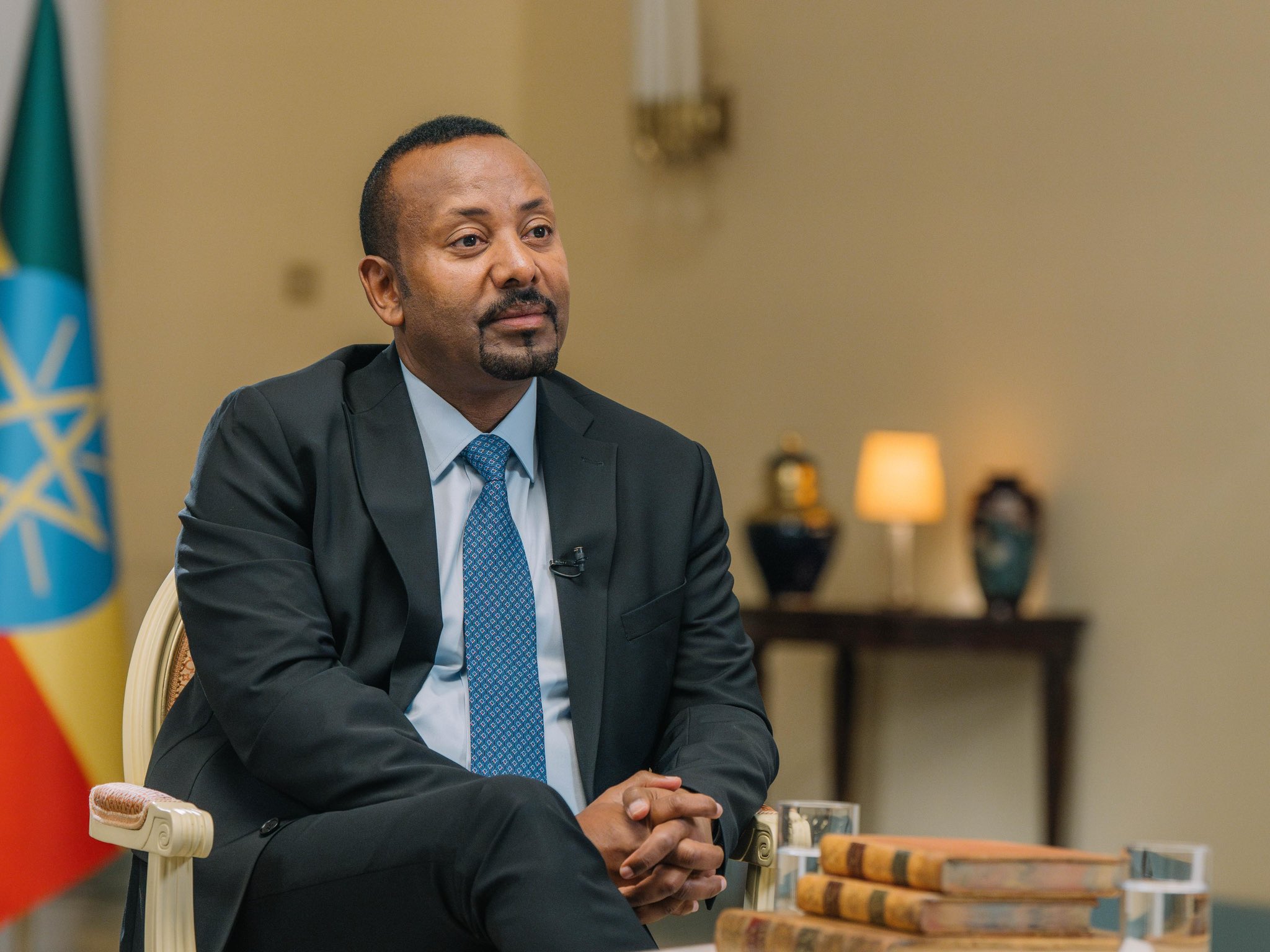
Addis Ababa, August 9, 2026 (ENA) —Prime Minister Abiy Ahmed said the Prosperity Party (PP) will place citizens’ wellbeing and tangible improvements in their daily lives at the center of its priorities over the next five years.
In an interview with the Oromia Broadcasting Network (OBN), Prime Minister Abiy outlined an ambitious agenda spanning food sovereignty, public services, technology, energy, agriculture and urban development.
The Premier revealed that the government will pursue a range of initiatives designed to ensure that the benefits of development reach citizens more directly and improve their quality of life.
He identified the ongoing national dialogue as a key instrument for addressing Ethiopia’s longstanding political and social challenges, saying it could help resolve problems that have accumulated over generations and contribute to lasting solutions.
The Prime Minister also underscored food sovereignty as a strategic priority for Ethiopia’s economic transformation, both at the regional and national levels.
He said the government will intensify efforts to improve public service delivery while taking stronger measures against corruption, theft and inefficiency.
Elected officials, he added, have a responsibility to honor the commitments they made to citizens during the election and deliver meaningful results.
Technology, according to Abiy, will be central to this effort. The government plans to expand the use of digital technologies across sectors to make public services more accessible, efficient and responsive to citizens’ needs.
Speaking on the nation’s energy ambitions, the Prime Minister highlighted major energy initiatives expected to shape Ethiopia’s development trajectory over the coming years, including the country’s ambition to generate nuclear power for the first time.
He described the nuclear energy program as a historic undertaking for Ethiopia and Africa, saying it could lay an important foundation for future generations.
Abiy also pointed to Ethiopia’s emerging natural gas sector, noting that the country had pursued the development of its gas resources for decades but had previously struggled to fully utilize them.
He said Ethiopia is now extracting natural gas and developing industries that can use it as an industrial input. Some vehicles previously powered by diesel are also being converted to natural gas, with wider deployment of natural-gas-powered vehicles expected in the coming months.
Acknowledging agriculture as central to Ethiopia’s food sovereignty, the Prime Minister said the sector remains a cornerstone of the country’s economy, livelihoods and national production.
He emphasized expanding farmers’ access to fertilizer, irrigation, agricultural machinery and modern technologies to raise productivity and strengthen food sovereignty.
Machinery is being imported to support the construction of fertilizer production facilities, while irrigation schemes are being expanded in different parts of the country, he said.
The Premier noted that increased land cultivation and cluster farming have already contributed to higher agricultural output, adding that the government will continue to expand these efforts.
Expanding irrigation, he stressed, is particularly important to enable farmers to produce throughout the year rather than relying predominantly on seasonal rainfall.
Domestic fertilizer production, the PM added, will help reduce dependence on external supplies while strengthening Ethiopia’s capacity to meet its agricultural input needs.
The Prime Minister also highlighted Bishoftu International Airport under construction in Bishoftu as a landmark project with significance extending beyond Ethiopia, describing it as a major investment in the country’s future air transport and economic development.
On urban development, PM Abiy said the government’s urban modernization and corridor development programs are ultimately aimed at transforming cities and improving the quality of services available to residents.
The initiatives are designed to expand access to housing, clean water, electricity, street lighting and other essential services, while bringing education and healthcare facilities closer to communities.
Beyond infrastructure, the projects are expected to generate employment, stimulate innovation and create more livable urban environments, he said.
Pm Abiy said the experience gained from Addis Ababa’s urban modernization efforts will provide a foundation for transforming cities across Ethiopia’s regions during the next five years.