Oromo People Historically Resisted Flawed Administrative Systems, Not Ethiopia Itself: PM Abiy - ENA English


Oromo People Historically Resisted Flawed Administrative Systems, Not Ethiopia Itself: PM Abiy
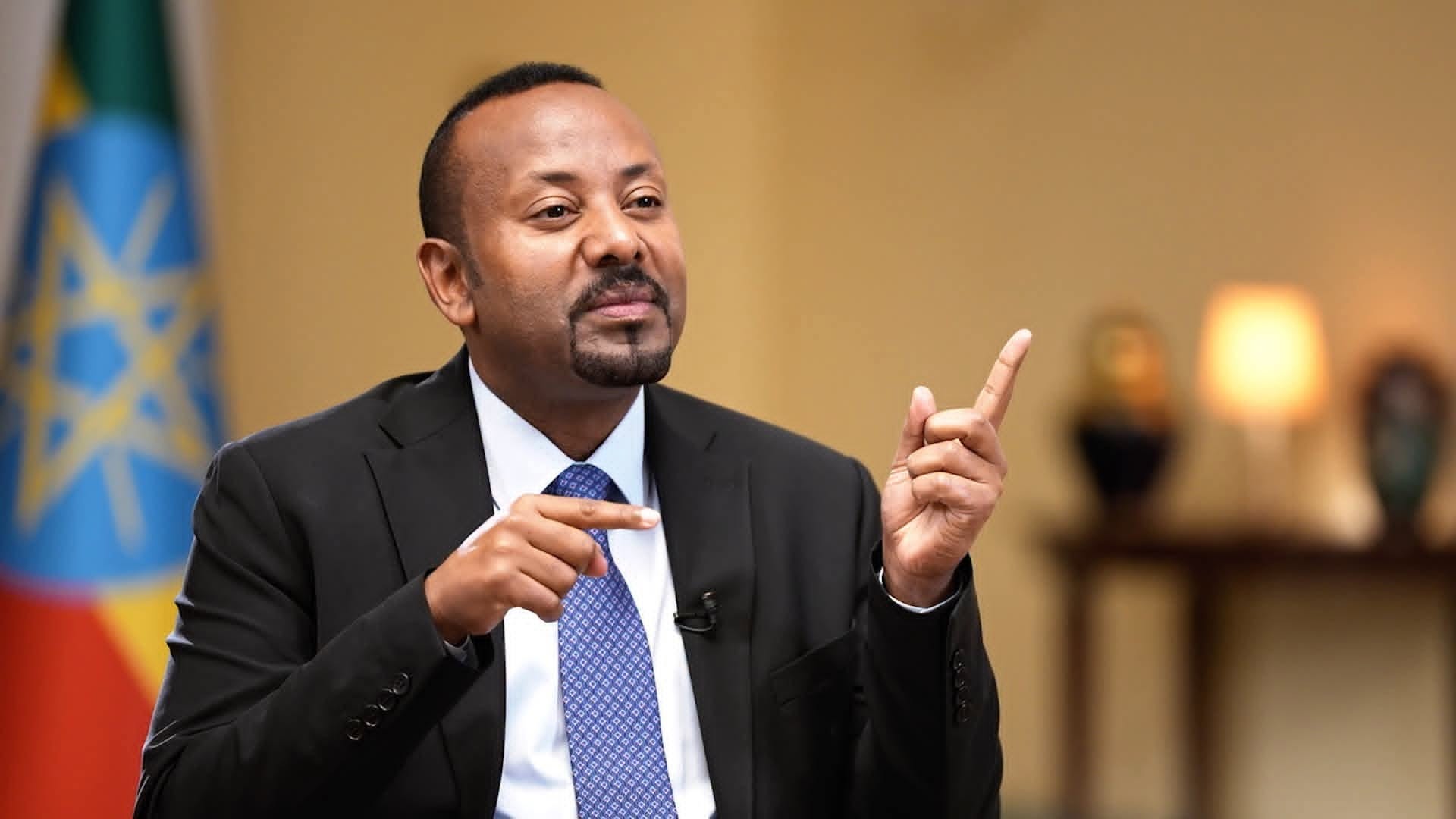
Addis Ababa, August 7, 2026 (ENA) —Prime Minister Abiy Ahmed has emphasized that the historical struggle of the Oromo people was directed against unjust administrative systems, political exclusion, and governance failures — not against Ethiopia as a nation.
In a wide-ranging interview with the Oromia Broadcasting Network (OBN), Prime Minister Abiy said the Oromo people’s sacrifices, contributions, and historical experiences are inseparably connected with Ethiopia’s nation-building process.
“The Oromo people historically fought against flawed governance systems, not Ethiopia itself,” the Premier said, underlining that Oromo identity and Ethiopian identity are not opposing concepts but deeply interconnected through history.
The Prime Minister explained that the long-standing Oromo struggle was driven by three fundamental aspirations: economic justice, preservation of identity, and democratic rights.
He said economic demands were rooted in the desire of the Oromo people to own and benefit from their land and resources, improve their livelihoods through their own efforts, and transform their communities. The PM stated that the repeated loss of land, exploitation of resources, and denial of farmers’ ability to benefit from their own production became among the major causes that fueled resistance.
Addressing the issue of identity, PM Abiy noted that Oromo identity goes beyond merely speaking Afaan Oromo. It encompasses cultural heritage, traditional values, moral principles such as Safuu, respect for elders, harmony with nature, and a broader sense of belonging and dignity.
He further explained that the Oromo democratic aspiration is deeply connected to the historic Gadaa system, an indigenous governance tradition based on participation, accountability, and collective decision-making.
Whenever state administration contradicted these expectations, he said, demands for change naturally emerged.
Reflecting on why the Oromo struggle faced setbacks despite lasting for more than a century, Prime Minister Abiy identified four major challenges: the absence of a clear strategic vision, internal divisions, ineffective political alliances, and a shortage of visionary leadership.
Using an analogy, he said that owning a tractor alone cannot guarantee a successful harvest without quality seeds.
Similarly, he explained, a movement requires a clear and effective strategy to transform aspirations into lasting achievements.
The Prime Minister also pointed to divisions created by political interests, religious differences, and geographical boundaries as factors that weakened unity among the Oromo people.
He added that some alliances formed with other political forces were often based on temporary interests rather than long-term objectives, sometimes preventing the achievement of the people’s broader goals.
The Prime Minister emphasized that the Oromo people are an integral part of Ethiopia’s historical, cultural, and political foundation, noting that the country’s identity cannot be separated from the contributions of its largest ethnic community.
“Oromo is Ethiopia; Ethiopia cannot separate from itself,” he said, highlighting the shared history and interconnected destiny between the Oromo people and the Ethiopian state.
He stressed that a country built through generations of sacrifice, resilience, and collective struggle cannot be dismantled through political rhetoric or individual grievances. The contributions of the Oromo people to Ethiopia’s defense, development, and survival, he noted, are documented in the country’s history.


