Ethiopia Urged to Build More Dams on Abay River - ENA English


Ethiopia Urged to Build More Dams on Abay River
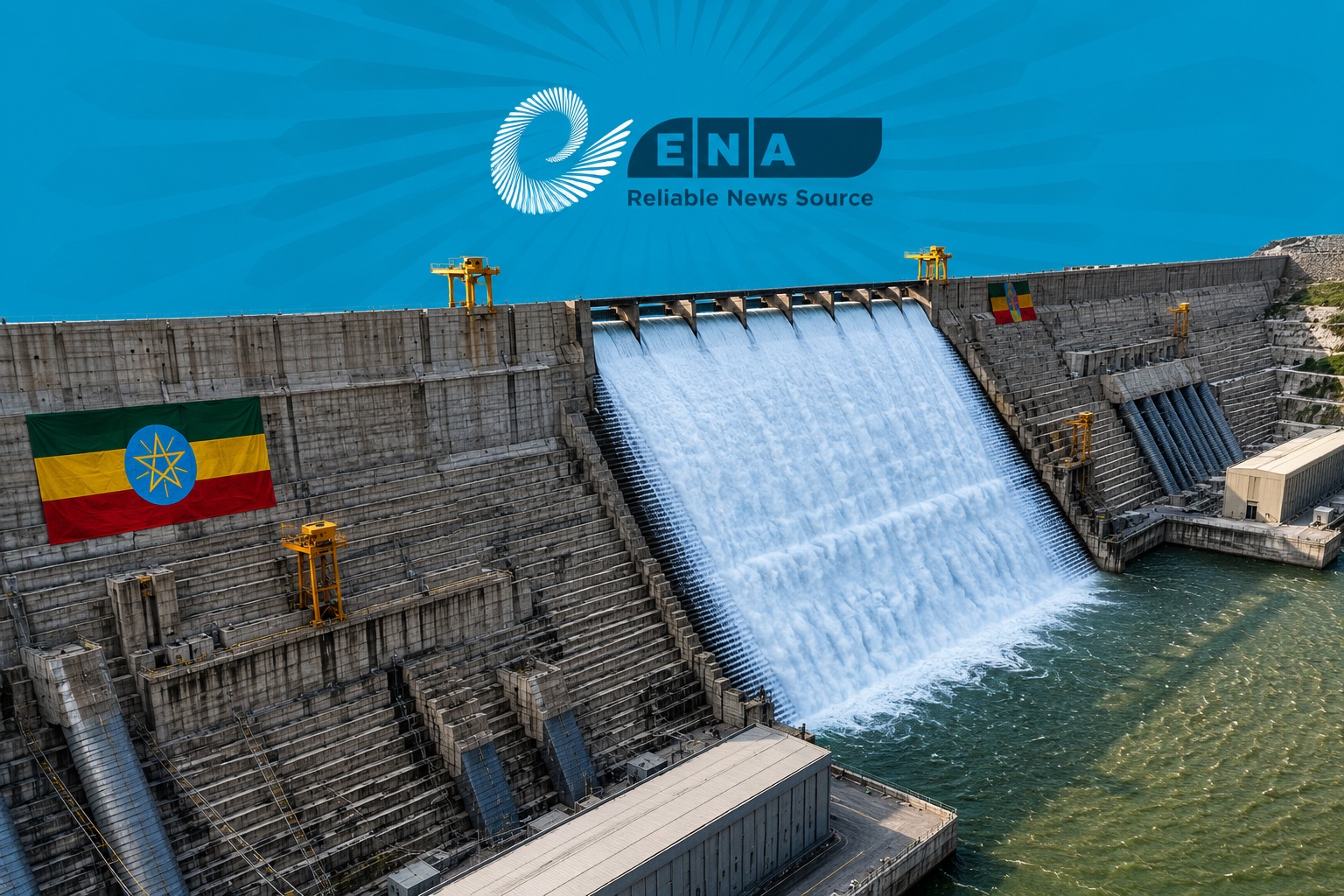
Addis Ababa, August 7, 2026 (ENA) —Many hydropower experts and policy observers are urging Ethiopia to consolidate the momentum created by the Grand Ethiopian Renaissance Dam (GERD) by expanding investment in additional mega dams on the Abay (Blue Nile) River.
Ethiopia has recently inaugurated the Grand Ethiopian Renaissance Dam (GERD), the largest hydropower plant in Africa and one of the continent’s most significant engineering achievements.
Most importantly, Ethiopia’s achievement through GERD has brought about a major shift in the narrative surrounding the Abay (Nile) River, challenging the long-standing dominance that Egypt has sought to maintain over the Nile waters and strengthening the principle of equitable utilization of shared water resources.
Ethiopia contributes a substantial share of the Nile waters through the Abay River system, making the river central to the country’s hydropower and development ambitions.
For Solomon Zena, Executive Director of the Policy Innovation Research Center (PIRC), GERD has vividly demonstrated what Ethiopians can accomplish through unity, and the country must sustain that momentum by building on the critical experience gained from the historic success of the dam.
In an exclusive interview with ENA, Solomon said Ethiopia has repeatedly demonstrated its capacity to undertake transformative national projects. He added that the successful completion of GERD stands as a powerful example of the country’s determination, resilience, and collective commitment.
The Grand Ethiopian Renaissance Dam is a major clean-energy project that significantly boosts renewable hydropower generation and serves as a strategic foundation for advancing regional economic integration.
According to Solomon, GERD is generating renewable electricity that is not only transforming Ethiopia’s energy sector but also strengthening the country’s climate actions and providing energy that can support regional development.
He further elaborated on the significance of GERD in mitigating climate change by producing large-scale renewable energy and reducing dependence on fossil fuels.
Solomon stressed that Ethiopia should move forward by sustaining the momentum in developing its water resources, drawing on the valuable institutional, technical, and financial experience gained through the GERD project.
“The nation needs to move ahead and build more dams,” he underlined.
Solomon added that: “The successful completion of GERD clearly demonstrates what Ethiopians can accomplish through unity and determination.”
Ethiopia has recently planned to build additional hydropower and irrigation dams. The plan aimed at accelerating economic development, enhancing food security, expanding electricity generation, and strengthening the country’s leading role in regional integration through cross-border power connectivity.
Meanwhile, Egyptian officials have continued to oppose Ethiopia’s dam development agenda through diplomatic pressure and public statements.
For instance, Egypt’s Minister of Water Resources and Irrigation, Hani Sewilam, said that Egypt “will not allow” Ethiopia to build new dams on the Nile River.
Many Ethiopian observers viewed the statement as a significant escalation in Egypt’s rhetoric, arguing that such positions seek to constrain the upstream nation’s sovereign right to pursue development projects within its own territory.
Moreover, analysts argue that Egypt has sought to build regional political and security partnerships aimed at increasing pressure on Ethiopia over Nile-related issues and broader regional influence. They contend that Cairo has attempted to strengthen anti-Ethiopia’s alignments with regional actors as part of its effort to influence the balance of power surrounding Nile negotiations and broader Horn of Africa geopolitics.
It is a public knowledge that Egyptian irredentist and militaristic regime is already organizing and financing military and diplomatic alliances with Sudanese Armed Forces, the Eritrean regime, local extremist and terrorist forces in Amhara, Oromia and Tigray regions locally known as Tsimdo in a bid to contain the successful economic, diplomatic and regional and national development programs currently spearheaded by Ethiopia.
Egypt is supporting a regional conspirators and sabre rattlers to obstruct the peaceful economic development in Ethiopia and chock the nation from having access to ports and the Red Sea international commercial route open to all countries across the world. This clearly indicates how Egypt has been the major catalyst for military and political instability in the region and more particularly in Sudan.
However, Egypt’s increasingly aggressive opposition to Ethiopia’s hydropower ambitions has sparked widespread discontent among Ethiopians, intensifying debates over sovereignty, equitable water utilization, and the right of nations to pursue sustainable development.
And Solomon emphasized the need to maintain that momentum by expanding the efforts that produced GERD and by applying the same spirit of national cooperation to future development projects across the economy.
“Ethiopia has to keep its momentum as long as the people and the government believe that it promotes development without harming others,” Solomon underscored.
“We need to go ahead and do what we did with the Grand Renaissance Dam. I understand that we need more dams,” he added.
Energy expert Mikael Alemu also questioned the political framing of Egypt’s opposition to GERD.
“Egypt’s argument on the Grand Renaissance Dam sounds much more political,” Mikael told the Ethiopian News Agency.
“It has become a very convenient issue in Egyptian politics,” he said, arguing that domestic political pressures can encourage governments to sustain external disputes.
“Frequently, Egypt’s political situation seeks an outside enemy. It is politically useful to have an external adversary when domestic politics becomes challenging,” Mikael argued.
For him, the claim that Ethiopia would deliberately seek to deprive Egypt of water is fundamentally irrational.
The Grand Ethiopian Renaissance Dam is widely regarded as indispensable for advancing regional economic integration, expanding renewable energy generation, and strengthening Ethiopia’s position as a major clean-energy hub in East Africa.
For many experts and observers, the completion of GERD is not the end of Ethiopia’s hydropower journey but the beginning of a broader strategy to harness the Abay River for sustainable development, energy security, climate resilience, and shared regional prosperity.


