PM Abiy Stresses Unity, Shared Prosperity as Ethiopia’s Only Path to Survival - ENA English


PM Abiy Stresses Unity, Shared Prosperity as Ethiopia’s Only Path to Survival
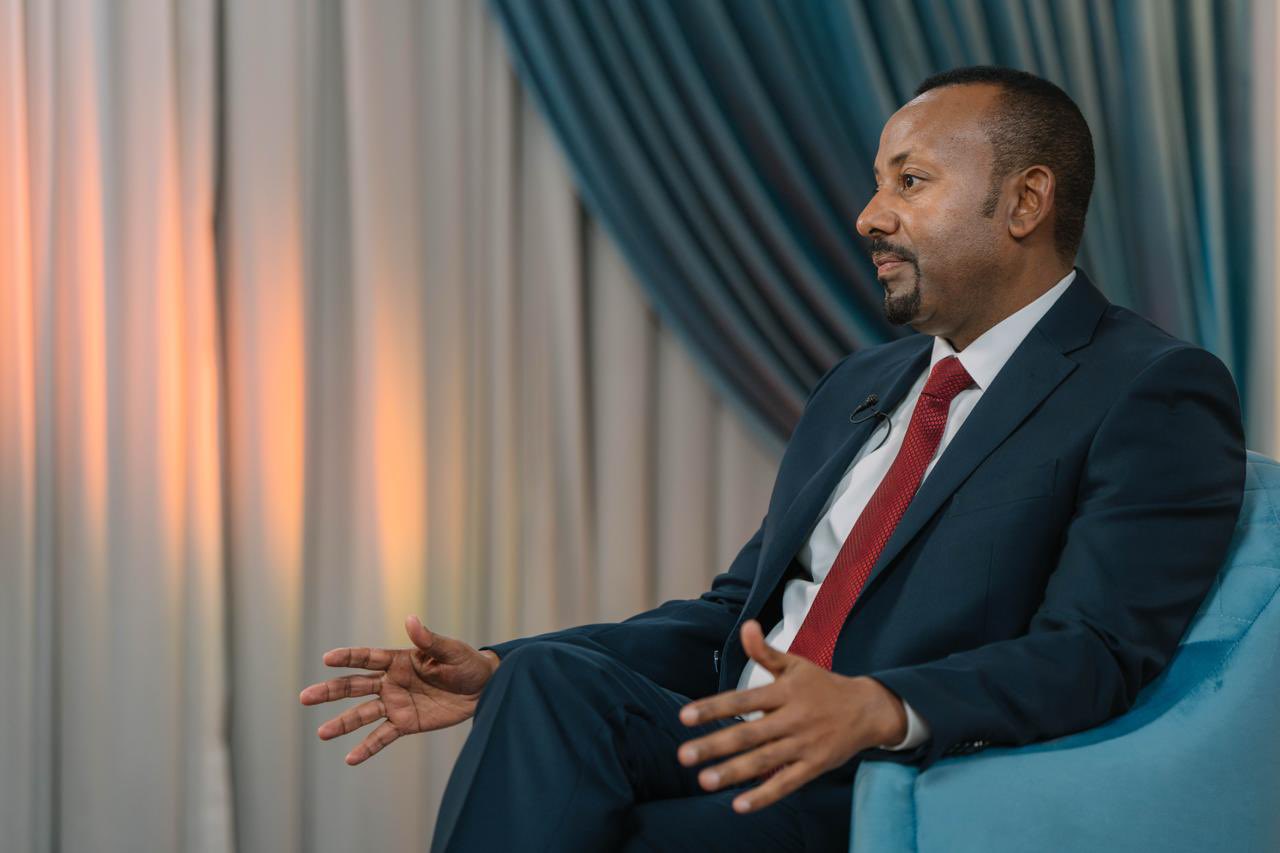
Addis Ababa, July 31, 2026 (ENA) —Prime Minister Abiy Ahmed said that advancing toward prosperity through Medemer — Ethiopia’s philosophy of synergy, unity, and collective progress, is the country’s only viable path to ensuring sustainable development and lasting stability.
In an interview with the Amhara Media Corporation (AMC), the Prime Minister said Ethiopia’s reform process has been shaped by extensive national consultations aimed at forging a shared vision for nation building, economic transformation, and political stability.
He said following the launch of the reform agenda in 2018, the government conducted broad consultations with institutions, experts, political actors, and communities across the country.
The endeavors have hugely helped explore Ethiopia’s development potential and the conditions necessary for collaborative nation building, PM Abiy pointed out.
Particularly, the Premier these consultations enabled to establish a clear national direction by building consensus around the need for inclusive political and economic reforms.
He noted that public consultations held across Ethiopia enabled the government to better understand citizens’ aspirations and concerns.
The discussions, including those conducted in the Amhara Region, showed that Ethiopians share fundamentally similar aspirations for peace, development, justice, and national progress.
The Prime Minister said political fragmentation and economic division emerged as two of the most pressing challenges identified during the consultation process. The reform discussions, he added, generated ideas aimed at healing these divisions and fostering a more cohesive national future.
PM Abiy stressed that opening either the political sphere or the economy in isolation would not be sufficient to produce lasting change.
Sustainable progress, he argued, requires simultaneous political and economic transformation founded on cooperation, inclusion, and a shared national purpose.
“As a result, we adopted a framework that recognizes that marching together toward prosperity through Medemer is the only path capable of guaranteeing Ethiopia’s survival,” the prime minister said.
Given the historical context of Ethiopia’s state formation, Prime Minister Abiy Ahmed devoted significant attention to the longstanding relationship between the Amhara and Oromo peoples. He described them as foundational pillars of the country’s nation-building process and national development.
He said the two communities have been interconnected for centuries through intermarriage, political alliances, trade, cultural exchange, and shared institutions, making their relationship one of the cornerstones of Ethiopia’s historical evolution.
The Prime Minister elaborated that the Amhara and Oromo, who together constitute a substantial share of Ethiopia’s population and territory — have developed deep social and political ties through traditional marriages, customary adoption systems, and longstanding alliances.
He cited historical examples including the Shewa and Yifat Sultanates, as well as the Gondar, Yeju, and Were Himenu dynasties, as evidence of the extensive integration that has shaped Ethiopia over centuries.
PM Abiy said Ethiopia’s peoples have advanced, struggled, and dreamed together throughout history, and that modern Ethiopia emerged from this long process of integration and collective endeavor.
“It is impossible to imagine Emperor Menelik II without Ras Gobena, or Ras Gobena without Emperor Menelik II,” he said. “Modern Ethiopia was built through the integration and joint efforts of these great peoples.”
The Prime Minister described the Victory of Adwa as the clearest expression of Ethiopia’s national unity. He stated that leaders from different regions and communities fought side by side to defend the country’s sovereignty and secure a historic victory against colonial aggression.
He also cited the Gojam and Bale peasant uprisings as examples of the shared struggle of Ethiopians against feudal oppression and for justice and social transformation.
PM Abiy concluded that centuries of coexistence, trade, intermarriage, and social integration have created a distinctive Ethiopian tradition of unity in diversity.
This historical legacy remains one of the country’s greatest strategic strengths as Ethiopia pursues peace, prosperity, and national renewal, the Premier stated.


