War Monger TPLF Faction Declares Another Round of Conflict - ENA English


War Monger TPLF Faction Declares Another Round of Conflict
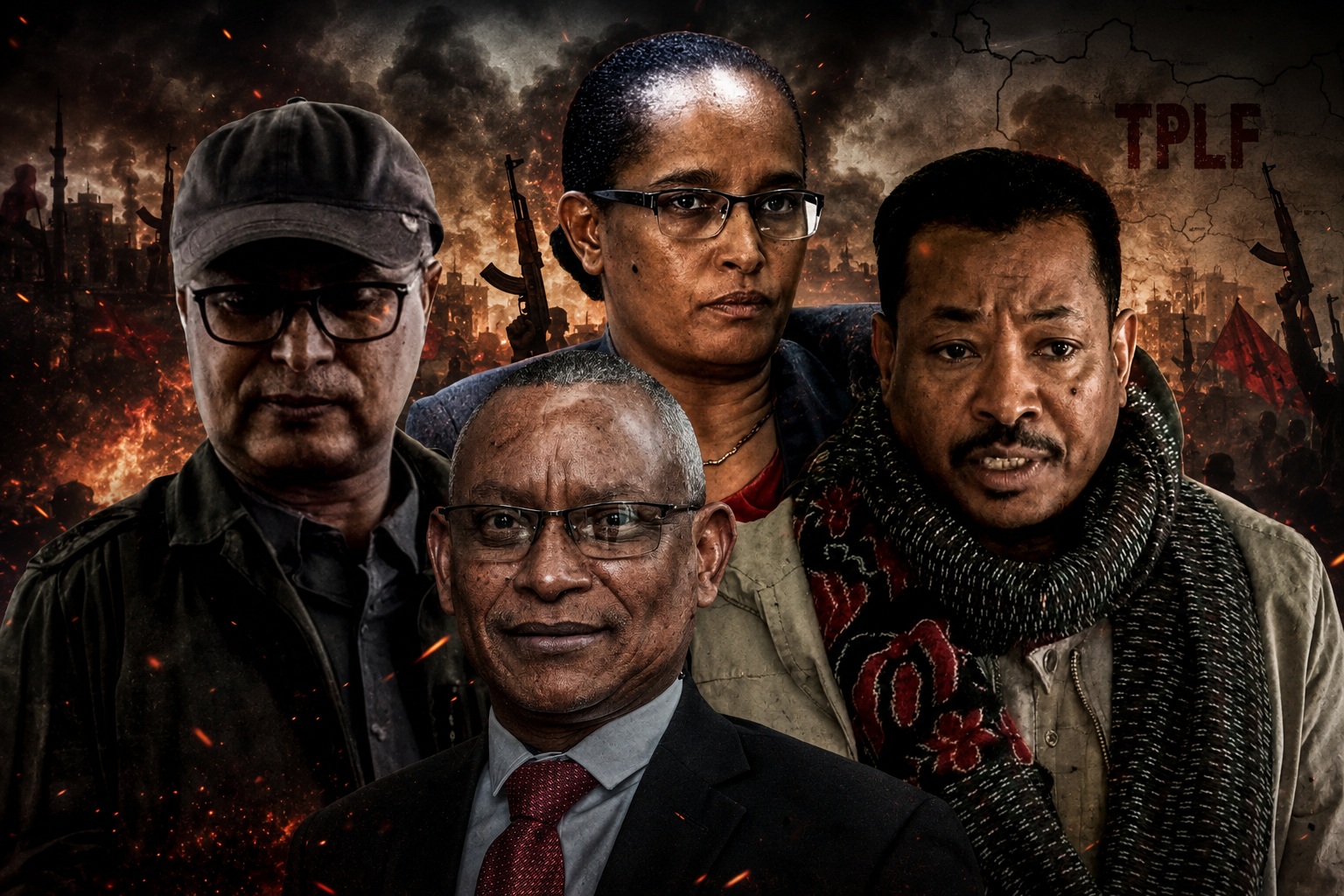
Addis Ababa, July 31, 2026 (ENA) —The banned Tigray People’s Liberation Front (TPLF) has once again launched an aggressive campaign of public mobilization and war propaganda that could push the Tigray region toward another devastating cycle of conflict.
Leaders of the illegal faction have openly stated the purpose of these gatherings: to prepare the region for renewed confrontation with the Federal Government of Ethiopia.
According to the criminal clique leaders’ public remarks, the campaign is aimed at laying the political and psychological groundwork for another destructive war.
The faction leaders, including Debretsion Gebremichael and Fetlework Gebregziabher, have publicly declared that they are preparing for armed conflict against the Ethiopian federal government.
They have also expressed their intention to align with anti-Ethiopian forces operating both within the country and abroad.
The group has intensified a coordinated propaganda campaign, publicly declaring: “Now that our preparations are complete, we will begin our work from the gates of Addis Ababa alongside our allies.”
Political commentators warn that such rhetoric signals a dangerous escalation that could destabilize not only northern Ethiopia but also the wider Horn of Africa unless the international community breaks its silence and exerts meaningful pressure on the TPLF leadership.
The faction’s renewed mobilization is widely portrayed as a direct challenge to the peace established under the Pretoria Cessation of Hostilities Agreement signed in November 2022. At the time of the agreement, the TPLF leadership was reportedly in a state of severe military and political disarray.
The Federal Government held the military advantage and possessed the capacity to eliminate the group. Instead, it chose a negotiated settlement, allowing the remnants of the faction to survive in order to give the people of Tigray an opportunity to heal, rebuild, and pursue a peaceful future.
That decision reportedly created significant diplomatic friction with Asmara. The Eritrean government favored the total defeat of the TPLF, while Addis Ababa maintained that Tigray was an integral part of Ethiopia and that lasting peace was essential for national recovery. Ethiopia proceeded with the implementation of its obligations under the Pretoria Accord.
However, that the TPLF leadership used the post-war period not for rehabilitation and reconstruction, but to secretly rearm and reorganize, thereby violating the core principles of the Pretoria Agreement.
The Eritrean government, meanwhile, is accused of continuing a long-standing strategy of keeping Ethiopia weak and divided. Analysts claim that Asmara views a strong and economically prosperous Ethiopia as a strategic threat and has allegedly continued supporting anti-Ethiopian elements even during periods of improved bilateral relations.
One of the most striking developments is the emerging alliance between TPLF remnants and Asmara. The TPLF’s own internal assessments documented severe atrocities allegedly committed by Eritrean forces in Tigray during the war. Yet the same TPLF leadership is now reportedly aligning itself with Asmara and other regional proxy forces.
For the Eritrean government, this alliance is portrayed as a tactical arrangement designed to turn Tigray into a buffer zone that shields Eritrea from future conflict. For the TPLF leadership, it is presented as a desperate effort to regain political relevance at the expense of Tigrayan lives.
The rhetoric of war is growing louder, and the machinery of mobilization appears to be accelerating. Observers warn that renewed conflict in Tigray would not remain a localized crisis; it could trigger wider instability across the Horn of Africa, disrupt regional economic corridors, intensify humanitarian pressures, and threaten broader security dynamics.
The international community, they argue, must not remain passive while a rogue faction threatens the stability of an entire region. Global actors—including the United Nations, the African Union, and key Western partners—should move beyond expressions of concern and apply direct diplomatic pressure on those accused of orchestrating military mobilization and undermining the Pretoria peace process.
Many of this view contend that sanctions, diplomatic isolation, and other targeted measures should be directed at individuals responsible for fueling renewed conflict. They warn that the cost of inaction could be measured not only in renewed bloodshed in northern Ethiopia, but also in a prolonged regional crisis capable of destabilizing the Horn of Africa for years to come.


