Reevaluating Nile Hydropolitics: From Alarmism to Scientific Realities in Egypt’s Perspective - ENA English
Reevaluating Nile Hydropolitics: From Alarmism to Scientific Realities in Egypt’s Perspective
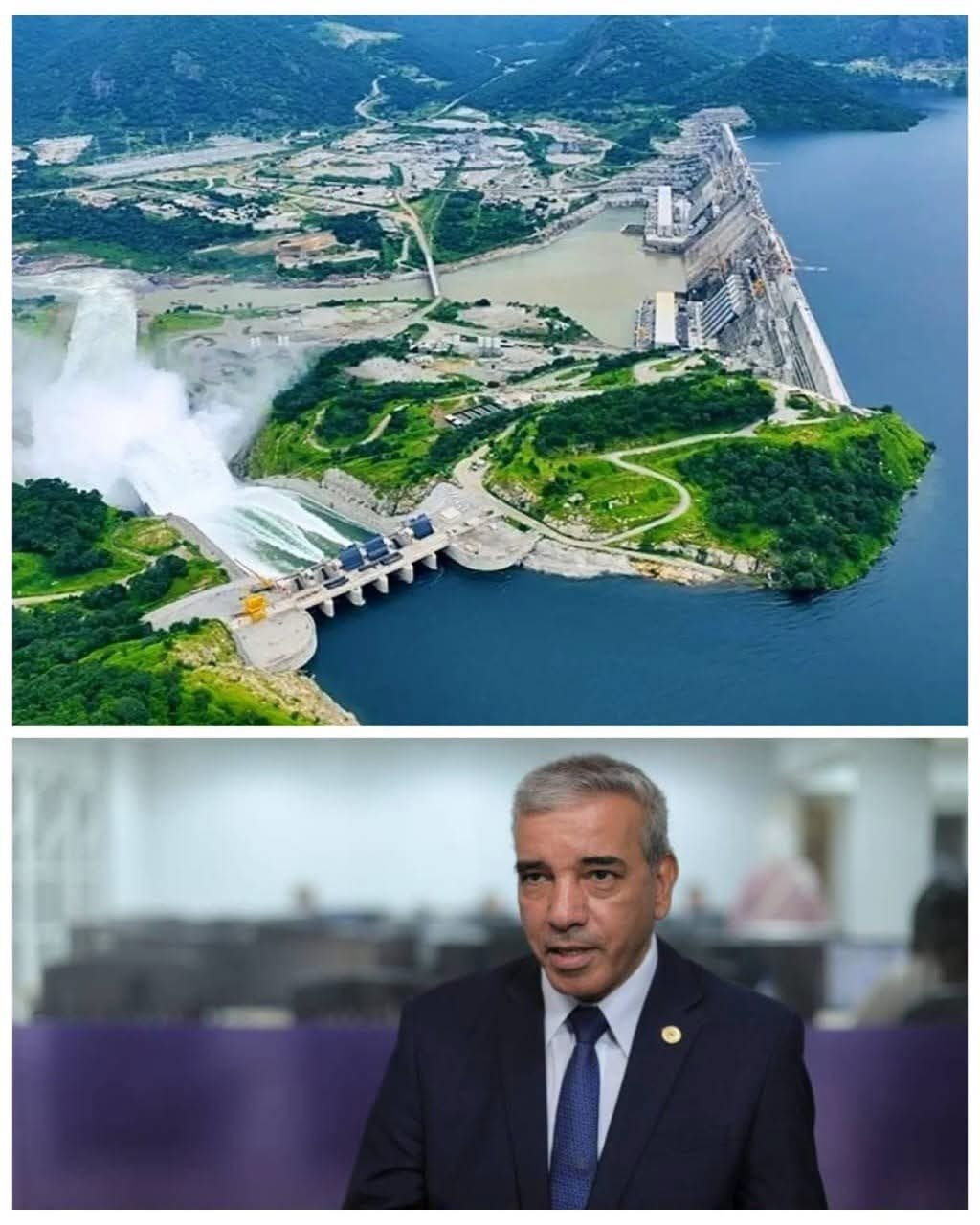
With analysis from Pulse of Africa (POA)
July 29, 2026 (ENA)
For decades, Egypt’s discourse on the Grand Ethiopian Renaissance Dam (GERD) has been dominated by alarmist rhetoric rooted in fears of water deprivation and existential threats. This narrative was largely shaped by Egypt’s reliance on colonial-era treaties, such as the 1929 and 1959 agreements, which prioritized Egyptian water rights and excluded upstream nations like Ethiopia. Egyptian politicians, media outlets, and commentators consistently portrayed the GERD as a strategic weapon designed to starve Egypt of its vital water resources. Former Egyptian President Mohamed Morsi, in a 2013 cabinet meeting, famously declared, “If Egypt's share of Nile water decreases by one drop, our blood will be the alternative... All options are open to protect Egypt’s water security.” Similarly, Mohamed Nasr El-Din Allam, Egypt’s former Minister of Water Resources and Irrigation, argued that the construction of the GERD was a “direct violation of Egypt's historical water rights,” threatening to “destroy millions of acres of Egyptian farmland,” displace populations, and trigger severe water scarcity nationwide.
Egypt’s media and political discourse often painted the dam as a threat to regional stability, with sensational claims suggesting Ethiopia aimed to alter the hydrology of the Nile deliberately. Media outlets regularly depicted the GERD as an existential threat, designed to “starve the Egyptian people,” “hold Cairo hostage,” and “disrupt the natural flow of the Nile.” This alarmist tone fostered a zero-sum view of Nile water management, where any upstream development was seen as an act of hostility and a threat to Egypt’s survival. For many years, this narrative shaped Egyptian policy and public opinion, emphasizing the need to defend “water security” at all costs, often at the expense of regional cooperation or scientific understanding.
However, recent developments highlight a subtle but important shift in the Egyptian discourse, driven by expert analyses and a growing recognition of hydrological realities. A notable turning point was an extensive interview with Dr. Abbas Sharaky, a Professor of Water Resources and Geology at Cairo University, hosted on the Masrawy platform. While the interview contained some subjective grievances and lingering concerns about safety protocols, it also included fundamental acknowledgments that challenge the long-standing alarmist narrative. Dr. Sharaky stated, “From a geographical and geological perspective, the mountainous and rocky nature of the terrain surrounding the Renaissance Dam makes it virtually impossible to use the water for massive agricultural expansion in the adjacent region.” This insight directly counters the myth that Ethiopia intends to divert Nile water for large-scale irrigation projects around the reservoir. Instead, the physical landscape of the dam’s environment acts as a natural barrier, making such diversion infeasible.
Furthermore, Dr. Sharaky emphasized the inevitability of water flowing downstream, regardless of upstream storage. He explained, “The water stored in the Renaissance Dam has no geographical path forward other than rushing toward Sudan and Egypt. Therefore, I always say to Ethiopians: ‘Preserve this water, because it is ultimately Egyptian water coming to us.’ Ethiopia has no choice but to open the gates to generate electricity or discharge the surplus.” This statement aligns with the hydrological principle that water, governed by gravity and river hydraulics, cannot be permanently diverted or consumed upstream without downstream repercussions. The recognition that the GERD essentially functions as a storage and flow regulation asset, rather than a water-consuming project, marks a significant departure from previous fears of water theft.
In a striking admission, Dr. Sharaky described the GERD as a “de facto Egyptian reserve dam on Ethiopian land,” asserting, “In a geological and hydrological sense, the water is forced to flow toward Egypt and Sudan. Ethiopia can close the gates for a limited period, but it will be forced to open them.” This understanding underscores the fact that Ethiopia’s ability to withhold water indefinitely is limited by physical and hydrological constraints, and that the dam’s primary function is to regulate water flow rather than to control or divert it.
Egypt’s ongoing water security remains intact, according to the expert. Dr. Sharaky affirmed that the country is “in a state of water safety thanks to the presence of the High Aswan Dam, Lake Nasser, and recognized national efforts.” While concerns about safety and operational protocols persist, the expert emphasized that Egyptian infrastructure and strategic reserves provide a buffer against immediate crises, countering claims that the GERD will cause an imminent drought.
This emerging recognition of hydrological facts does not signify a paradigm shift in Egyptian policy or rhetoric but highlights an urgent need for a broader understanding rooted in science rather than political rhetoric. For decades, Egyptian public discourse relied on zero-sum assumptions—believing that any upstream water retention was equivalent to theft or destruction of Egyptian rights. The detailed insights from hydrologists like Dr. Sharaky demonstrate that the physical realities of the Nile basin—such as terrain, gravity, and the non-consumptive nature of hydroelectric turbines—must form the basis for future negotiations and regional cooperation.
Grounding Egyptian policy in scientific principles opens the door for more pragmatic regional agreements, such as cross-border power purchase deals, joint climate resilience initiatives, and shared development projects. It also encourages a shift away from fear-driven narratives towards mutual understanding and cooperation, vital for sustainable Nile basin management.
The change in tone observed in Dr. Sharaky’s interview—moving from emotional rejection to recognition of the dam’s limited impact—represents an essential step in this process. While political rhetoric may lag behind, science and geography remain unalterable. Emphasizing hydrological facts over sensationalism is crucial for fostering trust among Nile riparian states and developing cooperative frameworks that benefit all parties. As regional dynamics evolve, Egypt’s commitment to science-based discourse and regional integration will be key to ensuring stability, shared prosperity, and sustainable management of the Nile’s vital water resources.