Ethiopia’s National Dialogue Elevates Grassroots Voices, Says Diaspora Scholar - ENA English


Ethiopia’s National Dialogue Elevates Grassroots Voices, Says Diaspora Scholar
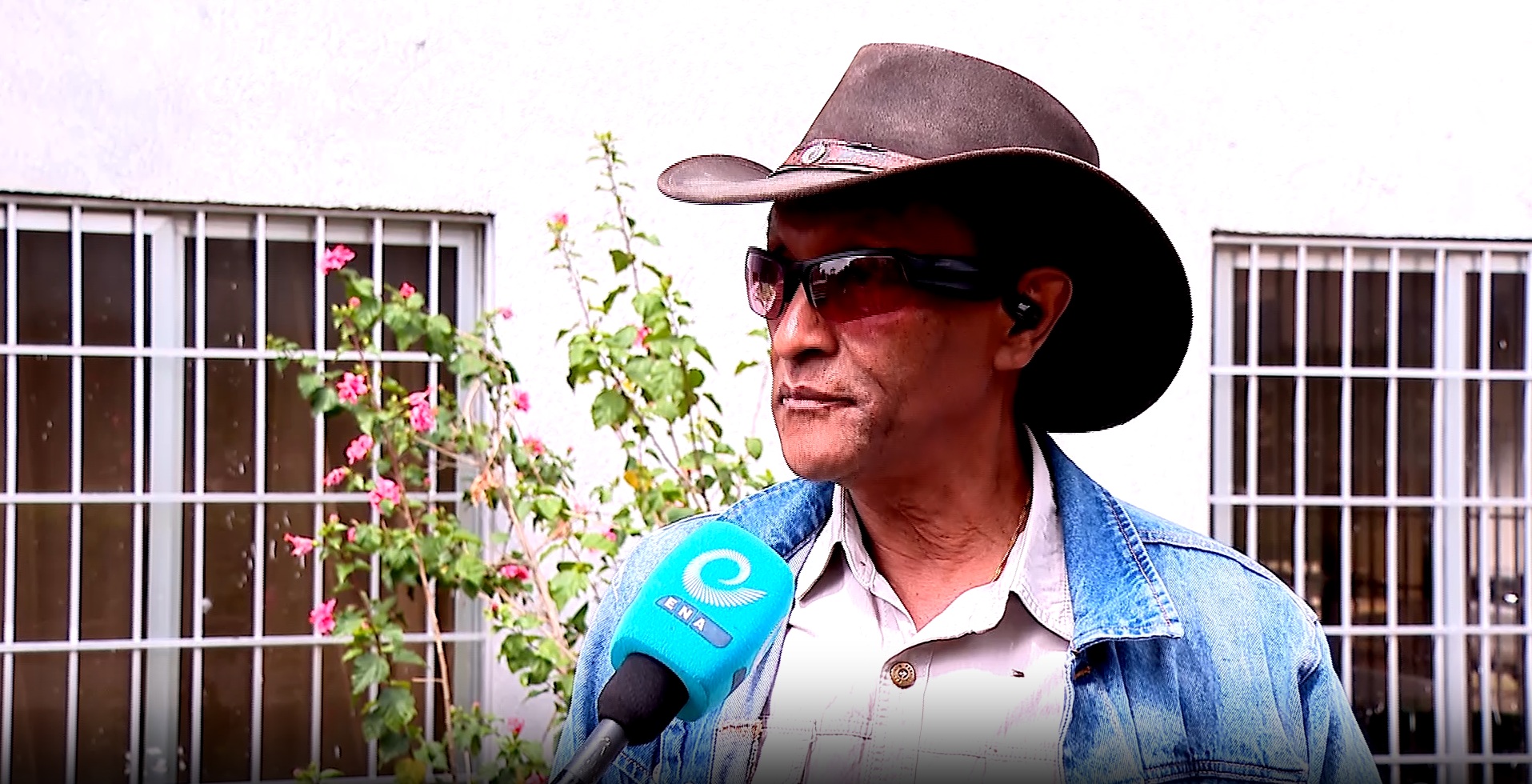
Addis Ababa, July 28, 2026 (ENA) — Diaspora scholar Professor Emeritus Alemayehu G. Mariam has hailed Ethiopia’s National Dialogue as a historic process designed to amplify grassroots voices.
The National Dialogue Conference has entered a landmark phase, bringing together thousands of representatives from across the country, he said.
The Professor described the initiative as an epic and historic experiment, one that could lay the groundwork for lasting peace, national cohesion, and deep structural reform.
The Conference, which started in on July 15, 2026 brought together thousands of participants, including community representatives, civil society leaders, and public figures, to deliberate on long-standing political, social, and cultural issues affecting the country.
According to the professor, it marks a significant milestone in Ethiopia's broader effort to address the root causes of recurring conflicts and build a shared national vision through an inclusive, evidence-based process.
In an exclusive interview with ENA, Ethiopian diaspora Emeritus Professor Alemayehu G. Mariam, widely known as Al Mariam, framed the commission as “an epic and historic experiment,” noting it departs from traditional elite-led reconciliation models by placing evidence and grassroots voices at the center.
“What makes it unique is that this is a legislatively mandated body with the mission of conducting a formal and deep inquiry into the root causes of conflict and disagreement in society,” he said.
Professor Al Mariam also underscored the breadth of issues the dialogue aims to tackle.
“Ethiopia has been mired in all sorts of conflict for the past five decades or so. Some of them are political, others are cultural, religious,” he said, stressing that solutions require clear diagnosis.
“You can't solve a problem unless you know what the problem is,” he added, pointing out that grievances vary across regions and communities.
Unlike South Africa’s post-apartheid Truth and Reconciliation model, which he described as elite-driven and limited to addressing specific atrocities, Al Mariam argued Ethiopia’s approach aspires to structural transformation.
“They were not aiming for structural transformations to bring about basic change in the society, in the government, in the way people relate to each other, so that they have lasting and durable peace,” he observed about other models, contrasting them with Ethiopia’s broader remit.
A striking feature of the conference is the inclusion of roughly 4,000 grassroots delegates who, according to the professor, will act as the “drivers of this consensus engine.”
“For myself, I'm a diaspora. I lived in America for more than five decades. The mindset and the experiences and the things that I bring to the dialogue conference are very different than someone who came from a rural area. But we're going to sit down together and then talk about our problems from so many different perspectives,” he said.
Expressing his optimism, Al Mariam concluded, “I am confident, I'm beyond confident, that we will come with a common understanding of the problems. And then once we agree on the problems, I think the search for solutions will be far more easy.”


