Egypt’s Campaigns Cannot Alter Ethiopia’s Sovereign Right Over Its Resources, Says Eustaz Jamal Bashir - ENA English
Egypt’s Campaigns Cannot Alter Ethiopia’s Sovereign Right Over Its Resources, Says Eustaz Jamal Bashir
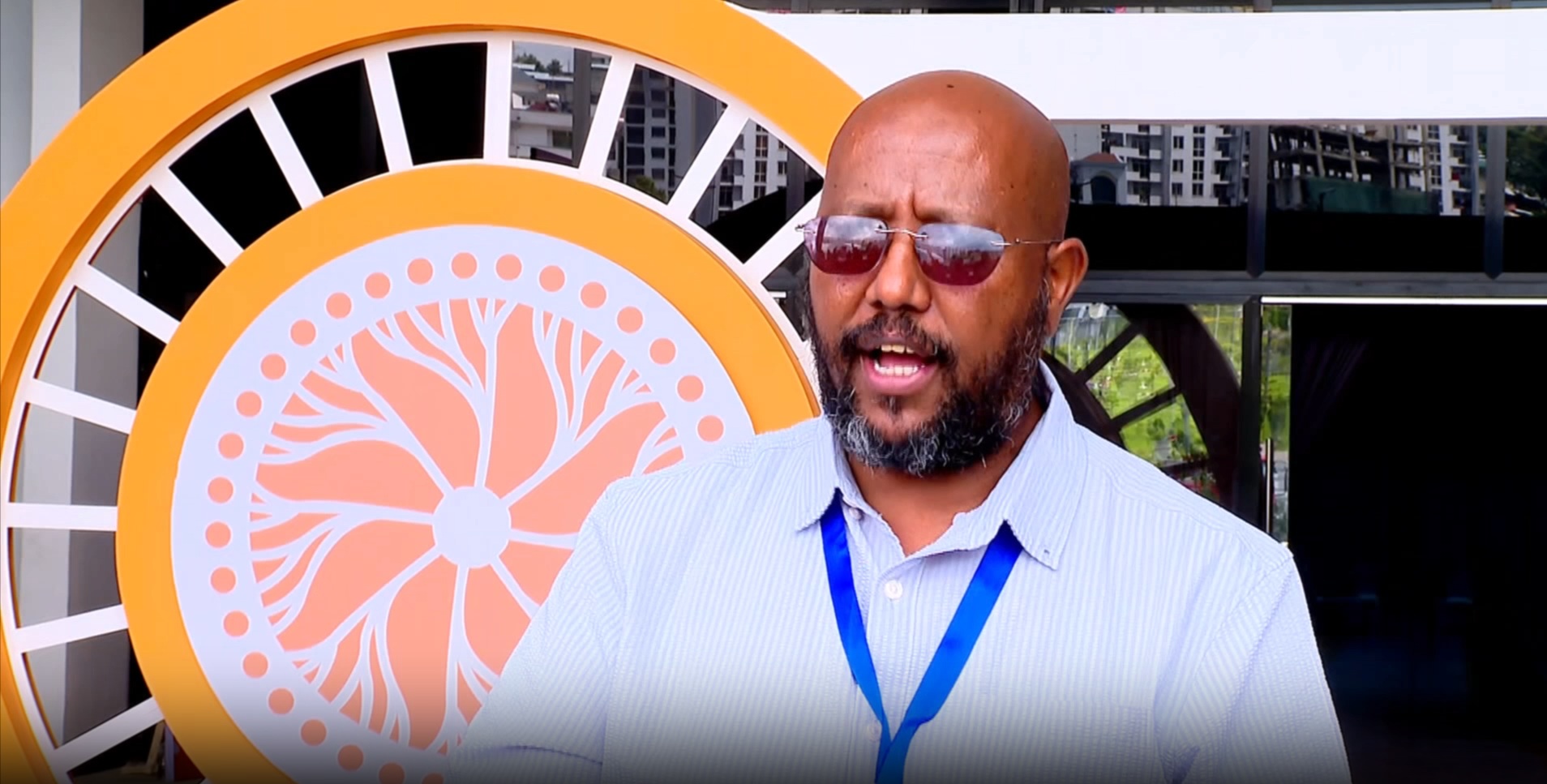
Addis Ababa, July 25, 2026 (ENA) — Egypt’s campaigns against the Grand Ethiopian Renaissance Dam (GERD) cannot alter Ethiopia’s sovereign right to utilize its natural resources, particularly the Abay River, Eustaz Jamal Bashir said.
In an exclusive interview with ENA, Eustaz Jamal said Egypt’s claims and misinformation regarding the GERD represent a continued effort to distort historical and geographical facts.
He said some voices in Egypt have attempted to challenge Ethiopia’s status as the source of the Abay River, despite what he described as internationally recognized geographical realities.
“Whether they accept it or not, we know with certainty, and the whole world knows, that the Blue Nile originates in Ethiopia. No neighboring country shares its point of origin,” Eustaz Jamal stated.
He explained that Ethiopia’s location in the African highlands means that major transboundary rivers flowing through the region originate within Ethiopian territory. This geographical reality, he said, gives Ethiopia a legitimate right to use its water resources for development.
Eustaz Jamal stressed that Ethiopia’s approach is based on cooperation and shared benefits, saying the waters of the Abay River can contribute to the development of all riparian countries when managed through dialogue, mutual understanding and partnership.
He noted that the GERD is a development project aimed at supporting Ethiopia’s economic growth and improving the livelihoods of its people while avoiding significant harm to downstream countries.
Eustaz Jamal also criticized Egypt’s efforts to raise the GERD issue at international platforms, including the United Nations Security Council, the African Union and the European Union, saying such actions have not affected Ethiopia’s development aspirations.
“The international community has recognized Ethiopia’s right to undertake development projects, including infrastructure projects on its own resources, as long as they do not cause significant harm to others,” he said.
Regarding Ethiopia’s ongoing National Dialogue process, Eustaz Jamal said the initiative has been progressing positively, with participants witnessing its constructive nature firsthand.
“We have witnessed that this National Dialogue has been successful so far, and we hope it will achieve even greater success. Everything that has been said, circulated and spread in the form of lies and fabricated stories about this dialogue will ultimately be disproved by the constructive outcomes it will produce, God willing,” he said.
He added that the dialogue had reached its eighth day and was addressing major national issues related to political, economic and social reforms, as well as Ethiopia’s future direction.
According to Eustaz Jamal, the process has addressed more than eight major thematic areas involving nearly 4,000 detailed issues, which have been assigned to specialized working groups.
He said the dialogue is designed to reflect the aspirations of Ethiopia’s nearly 130 million citizens by addressing political, economic, religious and social matters.
Eustaz Jamal further underlined the importance of discussions on the effective utilization of Ethiopia’s natural resources, particularly water resources such as the Abay River and other rivers originating within the country, describing them as key pillars for sustainable development and national prosperity.