Ethiopia’s Loss of Red Sea Access Price of Illegitimate Transitional Decisions, Says Analyst - ENA English


Ethiopia’s Loss of Red Sea Access Price of Illegitimate Transitional Decisions, Says Analyst
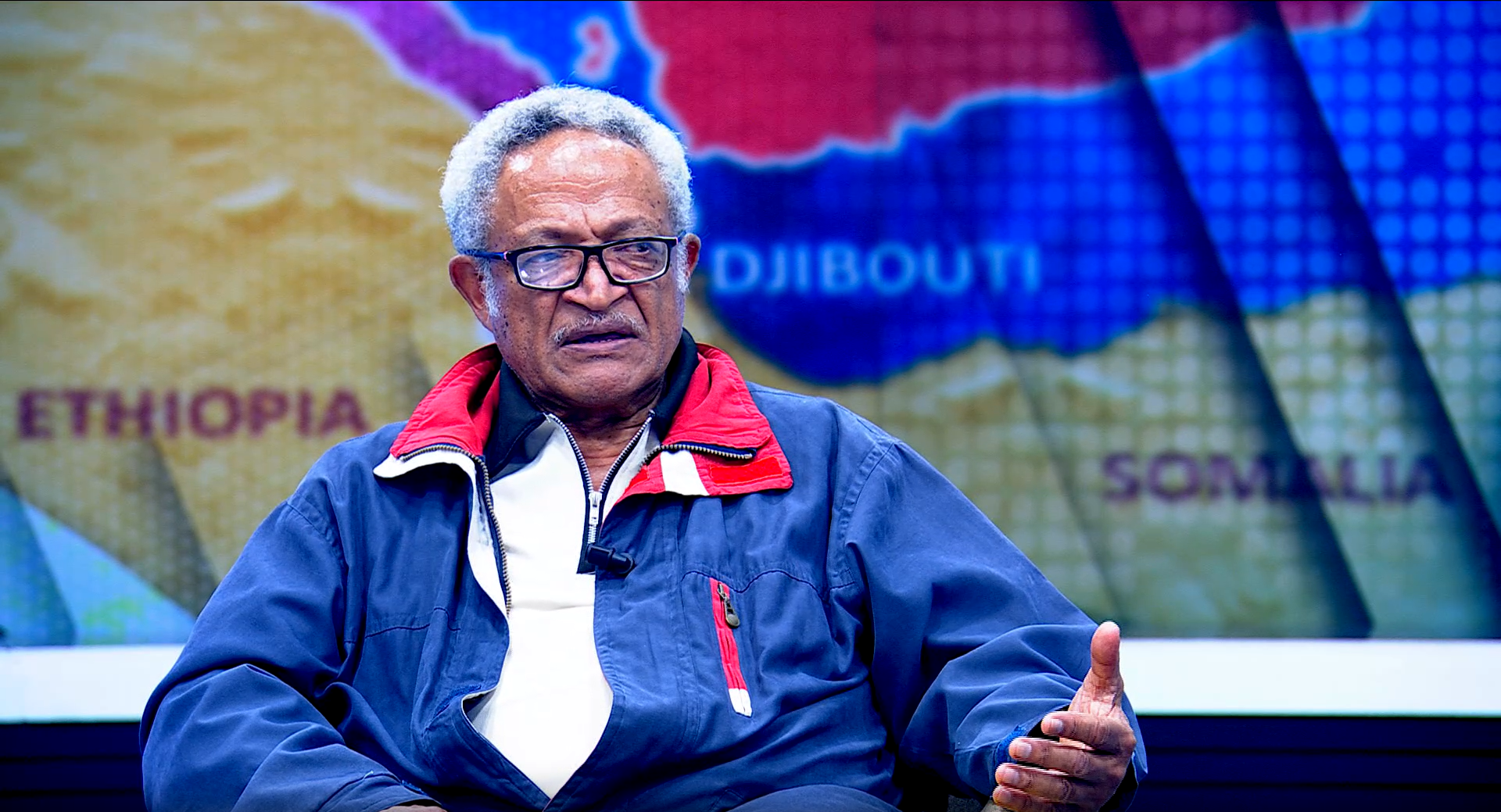
Addis Ababa, July 24, 2026 (ENA) — Decisions taken by transitional political authorities without constitutional legitimacy and clear public mandate were responsible for Ethiopia’s loss of direct access to the Red Sea, geopolitical analyst Eliyas Abiy said.
In an exclusive interview with the Ethiopian News Agency, Eliyas argued that the political transition following the 1991 fall of the Derg regime compromised Ethiopia’s long-term strategic interests by finalizing Eritrea’s separation.
The decision was made without securing a legally binding framework guaranteeing Ethiopia sovereign access to its historic ports, particularly Assab, he pointed out.
“Neither the political entity in Addis Ababa nor the administration in Asmara possessed the legal standing or parliamentary mandate required to relinquish Ethiopia’s historical rights,” Eliyas said.
He contended that Ethiopia’s loss of maritime access was determined by transitional power structures rather than through a fully legitimate constitutional and sovereign process.
Ethiopia became landlocked after Eritrea formally declared independence in 1993, losing direct access to the Red Sea through the ports of Assab and Massawa.
Since then, more than 90 percent of the country’s international trade has reportedly depended on the Port of Djibouti, creating substantial reliance on a single maritime corridor.
For Africa’s second-most populous country and one of the continent’s major economies, Eliyas said, such dependence carries significant economic and strategic implications, including higher transportation costs, limited trade flexibility and heightened vulnerability to disruptions along a single trade route.
Eliyas further criticized the political context surrounding the 1993 referendum on Eritrea’s independence, arguing that the choice presented to voters was politically framed in a manner that did not provide a genuinely balanced constitutional alternative.
“How could an authority representing Ethiopia accept such a flawed premise?” he asked, arguing that a legitimate referendum should have clearly offered voters the choice between independence and remaining part of Ethiopia.
According to Eliyas, the transitional authorities in Addis Ababa at the time lacked both the constitutional mandate and the political legitimacy to make decisions with permanent consequences for Ethiopia’s sovereignty and strategic interests.
Short-term political calculations and external diplomatic pressure, he said, ultimately prevented Ethiopia from pursuing the restoration of access to Assab, leaving the country with what he described as a major and enduring strategic disadvantage.
Ethiopia’s historical links to the Red Sea, however, extend back centuries.
The country maintained longstanding commercial and strategic connections with the region’s coastline and its ports.
Following decades of armed conflict that ultimately ended with the fall of the Derg regime in 1991 and the emergence of transitional authorities in both Addis Ababa and Asmara.
Eritrea’s independence was formally declared following the 1993 referendum.
Eliyas argued that the failure to establish a durable, legally binding arrangement guaranteeing Ethiopia sovereign access to the Red Sea during that transition created a strategic imbalance whose consequences continue to shape Ethiopia’s economic and geopolitical calculations.
Against this historical and strategic backdrop, Ethiopia has in recent years intensified discussions on securing reliable access to the sea through principles of mutual benefit, partnership and shared development.
The issue remains at the center of Ethiopia’s broader geopolitical debate, with growing calls for a peaceful and mutually beneficial arrangement that reflects the country’s geographical realities, historical connections and legitimate economic and strategic interests.


