Africa Urged to Unlock Untapped Livestock Potential for Food Security, Economic Growth - ENA English


Africa Urged to Unlock Untapped Livestock Potential for Food Security, Economic Growth
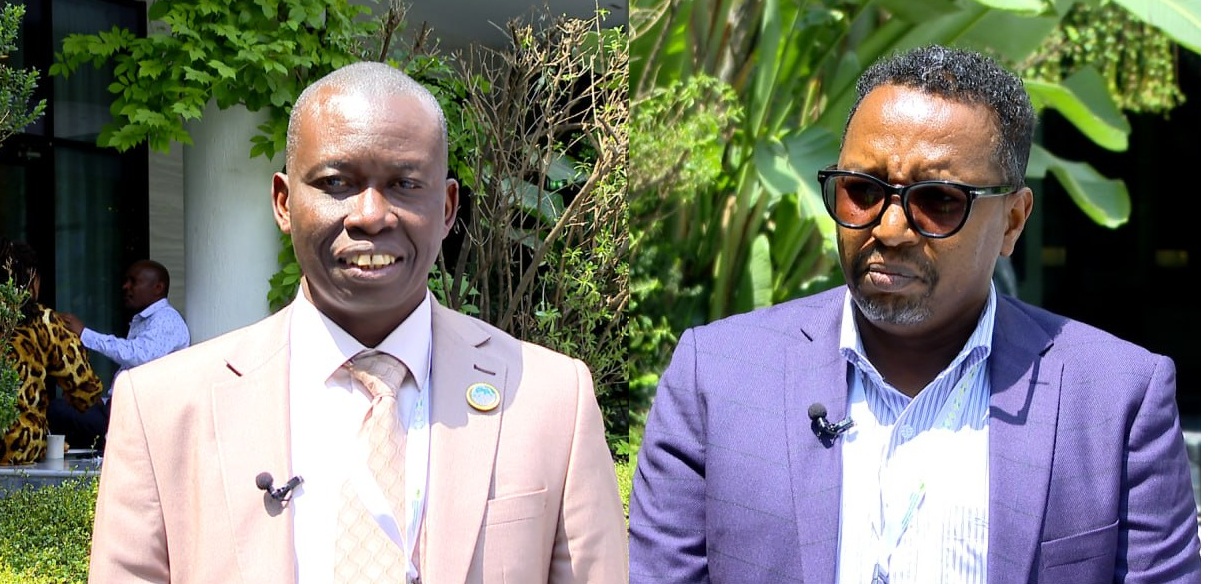
Addis Ababa, July 22, 2026 (ENA) —Africa must unlock its vast and largely untapped livestock potential to strengthen food and nutrition security and accelerate inclusive economic growth, experts told ENA.
For millions of Africans, livestock is more than a source of food or income.
It is the foundation of livelihoods, particularly for pastoral communities. Yet experts say the sector remains far below its potential and could become a powerful engine of economic transformation if supported by stronger investment, market access, infrastructure, and policy coordination.
With large areas of the continent unsuitable for crop production but highly conducive to livestock rearing, expanding the sector could help Africa strengthen its food systems while creating new opportunities for trade and economic development.
Andrew Edewa, TradeMark Africa Director of Standards, Sanitary and Phytosanitary Measures and Food Systems, said livestock already sustains millions of pastoral communities and could be transformed from a traditional livelihood activity into a major driver of economic development.
“As livelihoods of many pastoral communities depend on livestock, we can turn this from a livelihood activity into an engine of economic development through stronger market linkages. That creates jobs and income for different actors across the economy,” he said.
Edewa said expanding livestock trade within Africa and with international markets could increase export earnings, generate new income, and stimulate broader economic growth across the continent.
“Africa has the opportunity to increase the volume of livestock trade. This growth in trade can generate additional income for countries and contribute to the overall growth of the economy. This is where the future of Africa should be,” he said.
For him, the sector’s importance extends beyond economic growth. Livestock also plays a critical role in addressing Africa’s nutrition challenges, particularly among children and other vulnerable groups.
Milk, meat, and other animal-source foods provide affordable, high-quality protein and essential nutrients needed for healthy growth and development.
“It is not only about food security, but also about nutrition. Livestock products provide affordable sources of protein that are essential for healthy growth and development,” Edewa said.
Despite its enormous potential, many observers said Africa’s livestock sector continues to face structural challenges, including fragmented production systems, weak coordination among stakeholders, inadequate market connectivity, and limited investment in infrastructure and quality systems.
Edewa said TradeMark Africa is working with stakeholders to connect livestock producers with domestic, regional, and international markets while strengthening policy frameworks and quality standards.
“We work with all stakeholders to increase investment in the livestock sector, improve market systems, and strengthen government policies that ensure the safety and quality of livestock products,” he said.
He added that investment in quality infrastructure and market-oriented value-chain development is essential to making African livestock products more competitive.
“We would like to invest heavily in quality infrastructure that boosts the quality of livestock products entering the market. We are also focusing on value-chain development with a market orientation so producers can access both domestic and international markets,” Edewa said.
Commenting on Ethiopia’s Bounty of the Basket (Ye Lemat Tirufat) initiative, Edewa commended the program for promoting value-chain development across the livestock sector.
The initiative, he said, is creating opportunities across a broad range of activities, including live-animal trade, dairy production, meat processing, animal-feed manufacturing, and other livestock-based industries.
Senbeto Funte, Regional Livestock Program Deputy Director at Mercy Corps for Ethiopia, Kenya, and Somalia, also emphasized the sector’s central role in addressing Africa’s food and nutrition challenges.
He stressed the need to ensure that nutritious livestock products are accessible, available, and affordable to consumers.
“Livestock provides nutrient-dense food. We need to ensure these products are accessible, available, and affordable for consumers,” Senbeto said.
Improving production efficiency, he added, would increase supply, reduce prices, and allow more children and mothers to access nutritious foods.
“If Africa makes its livestock production systems more efficient, production will increase and products will become more affordable. That will help address both nutritional challenges and broader food security concerns,” he said.
Senbeto noted that livestock already makes a significant contribution to agricultural GDP in many African countries and that improving the sector’s efficiency could further enhance its contribution to economic development.
“Livestock is already a major contributor to agricultural GDP. If we improve the sector’s efficiency, it can play an even greater role in ensuring both food security and nutrition security,” he said.
Unlocking this potential, however, will require stronger government support, increased private-sector participation, and improved access to finance, Senbeto said.
Investment is needed across the entire livestock value chain, from production and animal health to processing, cold-chain facilities, aggregation centers, and transport infrastructure.
“Creating livestock-tailored financing to support production, processing, and cold-chain development is critically important. We also need intentional investment in livestock-focused infrastructure, including animal-health systems, aggregation facilities, and transport networks,” he said.
According to Senbeto, coordinated government policies, targeted incentives, and increased private investment are essential for Africa to fully harness its livestock wealth.
He cited Ethiopia’s Bounty of the Basket (Ye Lemat Tirufat) initiative as an example of targeted government intervention. The national program aims to increase the production of dairy, poultry, eggs, honey, fish, and meat while improving food and nutrition security.
The experts said Africa must move beyond viewing livestock solely as a traditional livelihood activity and instead recognize it as a strategic economic sector capable of driving food security, better nutrition, trade, employment, and inclusive economic growth.
With the right investments, policies, and market systems, Africa’s livestock wealth could become one of the continent’s most important untapped engines of economic transformation, the hoped.


