Ethiopia Advances Natural Resource Conservation to Secure Sustainable Future - ENA English


Ethiopia Advances Natural Resource Conservation to Secure Sustainable Future
Addis Ababa, July 21, 2026 (ENA) — Robust conservation and environmental development initiatives are making significant strides across Ethiopia, laying a firm foundation for a more prosperous nation for future generations, Ethiopian Wildlife Conservation Authority Director-General Kumera Wakjira announced.
The Ethiopian Wildlife Conservation Authority is marking its diamond jubilee, celebrating 60 years of conservation leadership.
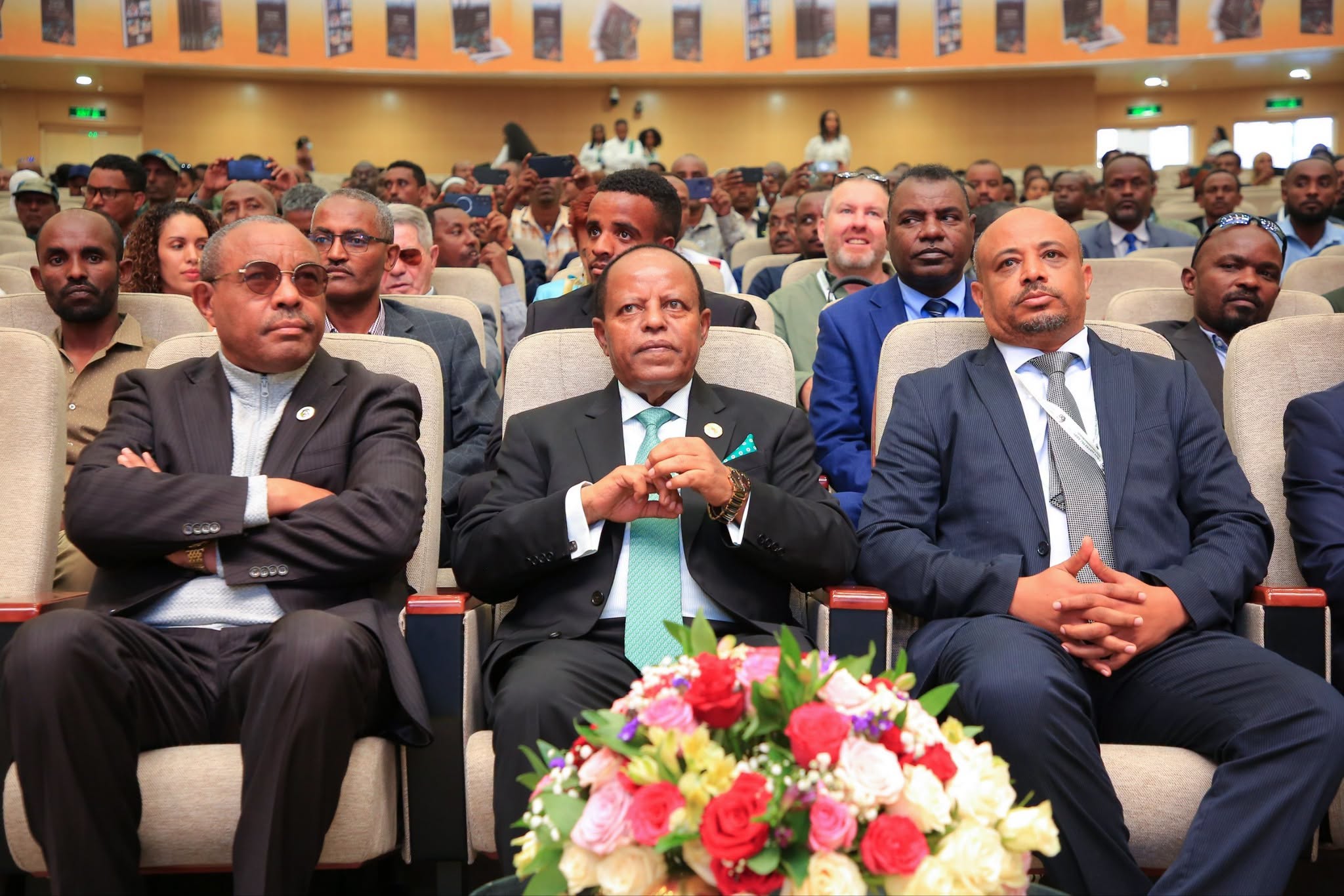
President Taye AtskeSelassie and former Prime Minister Hailemariam Desalegn attended the milestone anniversary alongside senior government officials, international diplomats, and key development partners.
In his keynote address, Director-General Kumera Wakjira emphasized that the nation’s natural wealth is far more than a resource for current consumption—it is a sacred trust meant to be safeguarded and passed on to future generations.
Stressing that environmental stewardship is an imperative duty rather than a secondary choice, Kumera highlighted Ethiopia’s iconic landscapes—ranging from soaring mountain ranges and vast river basins to rich wetlands, deep gorges, and rift valley lakes—as the bedrock of the country's biodiversity.
He noted that endemic wildlife such as the Walia ibex, Ethiopian wolf, and Gelada baboon, along with a rich variety of bird species and flora, form the core of Ethiopia’s ecological identity and serve as vital drivers for economic growth.
The Director-General observed that wildlife stewardship in Ethiopia long predates modern institutional systems, rooted in deeply ingrained indigenous knowledge, cultural traditions, and community-led practices that continue to anchor today's framework.
Reflecting on six decades of institutional progress, Kumera noted that the country's modern conservation journey, which began with just two national parks, has expanded to encompass more than 30 nationwide.
This network has grown to include numerous wildlife sanctuaries and over 106 designated conservation sites across the country.
Today, Ethiopia has built a comprehensive management strategy focusing on park infrastructure, biodiversity preservation, eco-tourism development, and community-centered growth.
Recent reforms have focused on modernizing sanctuary oversight, elevating local community involvement, enhancing tourism infrastructure, and integrating advanced digital technologies into field monitoring.
"Today, we celebrate six decades of resilience, sacrifice, and rich history—a 60-year legacy of upholding a solemn duty to the next generation," Kumera remarked.
Looking ahead, Kumera outlined the authority's strategic priorities, emphasizing the scale-up of modern technologies, empowering host communities as direct owners and beneficiaries, strengthening global partnerships, and advancing evidence-based scientific research.


