Ethiopia Cannot Remain in Geographic Isolation, Scholars Say - ENA English
Ethiopia Cannot Remain in Geographic Isolation, Scholars Say
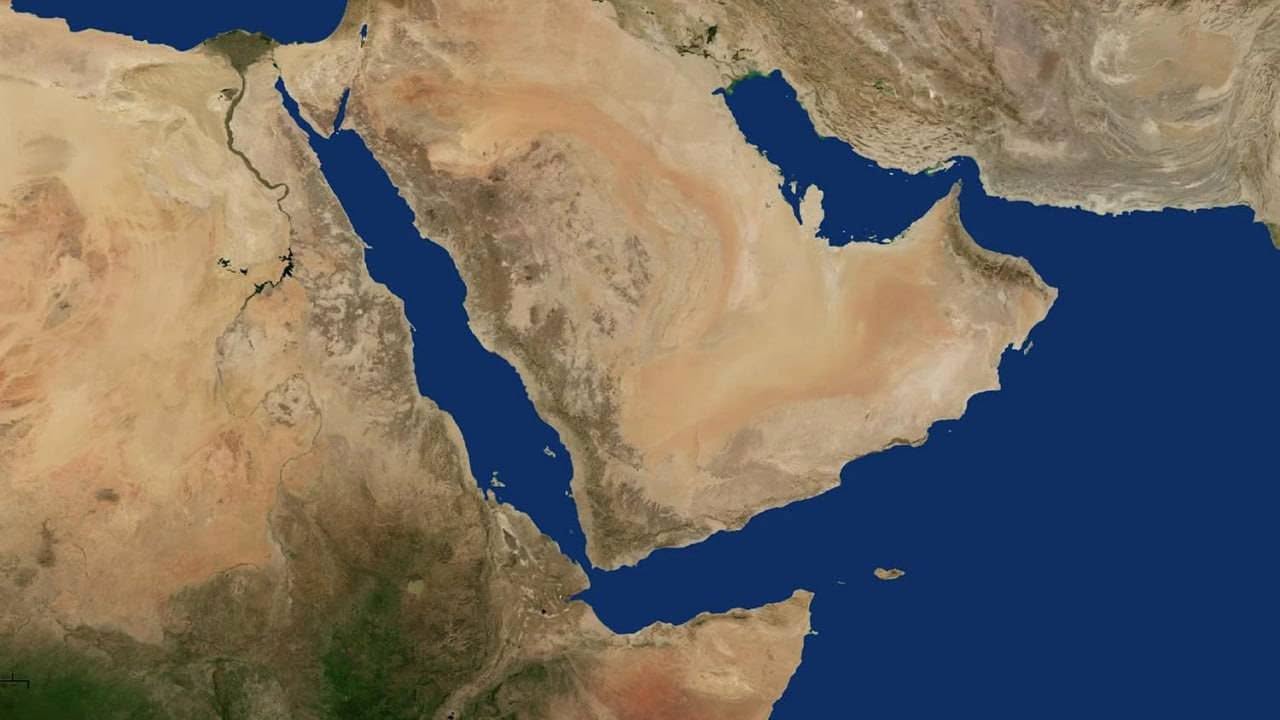
Addis Ababa, July 18, 2026 (ENA) —Ethiopia cannot continue to live in geographic isolation without reliable access to the sea, and addressing the country's legitimate quest for sea access is essential for its long-term political, economic, and security interests, university scholars noted.
Speaking to ENA, the scholars described Ethiopia's pursuit of sea access as an existential national issue, arguing that the country's historical, geographical, and economic realities make the matter of major strategic importance rather than political preference.
They noted that Ethiopia's existence has long been linked to two vital waterways, the Red Sea and the Abbay River, both of which hold significant historical, geographical, and international legal relevance.
Lecturer of Political Science and International Relations at Wollega University, Gutema Daniel, said Ethiopia, with a population exceeding 130 million, a rapidly expanding economy, and a strategic location in the Horn of Africa, requires dependable sea access to sustain its development.
The historical circumstances that left Ethiopia without direct access to the sea are deeply regrettable for the nation, he said, noting that today, the issue should be understood as the legitimate aspiration of an entire generation and an existential national concern that deserves an appropriate response.
Gutema stressed that Ethiopia cannot indefinitely remain constrained by its landlocked status, emphasizing that the country's pursuit of sea access is intended to promote shared prosperity and mutual benefit with neighboring countries.
As Ethiopia seeks to grow alongside the countries of the region, responding positively to its legitimate quest for sea access is essential, he added.
Jimma University lecturer in the Department of Hydraulics and Water Resources Engineering, Wakjira Takele, also emphasized that Ethiopia's pursuit of sea access should not be viewed as a matter of luxury.
The international community should recognize that Ethiopia's quest for ownership of sea access is an existential issue, not a luxury, he said.
According to Wakjira, Ethiopia's large and growing population, expanding industrial base, and increasing export volume make dependable maritime access increasingly important.
He noted that the country continues to spend substantial amounts of foreign currency on port services while remaining landlocked, arguing that the current situation places a significant burden on the national economy.
Ethiopia's population is growing rapidly, new industries are expanding, and exports are increasing. These realities make reliable sea access an economic necessity for the country's future development, he noted.