AU Officials Advise African Nations to Replicate Ethiopia’s "Bounty of the Basket" Initiative - ENA English
AU Officials Advise African Nations to Replicate Ethiopia’s "Bounty of the Basket" Initiative
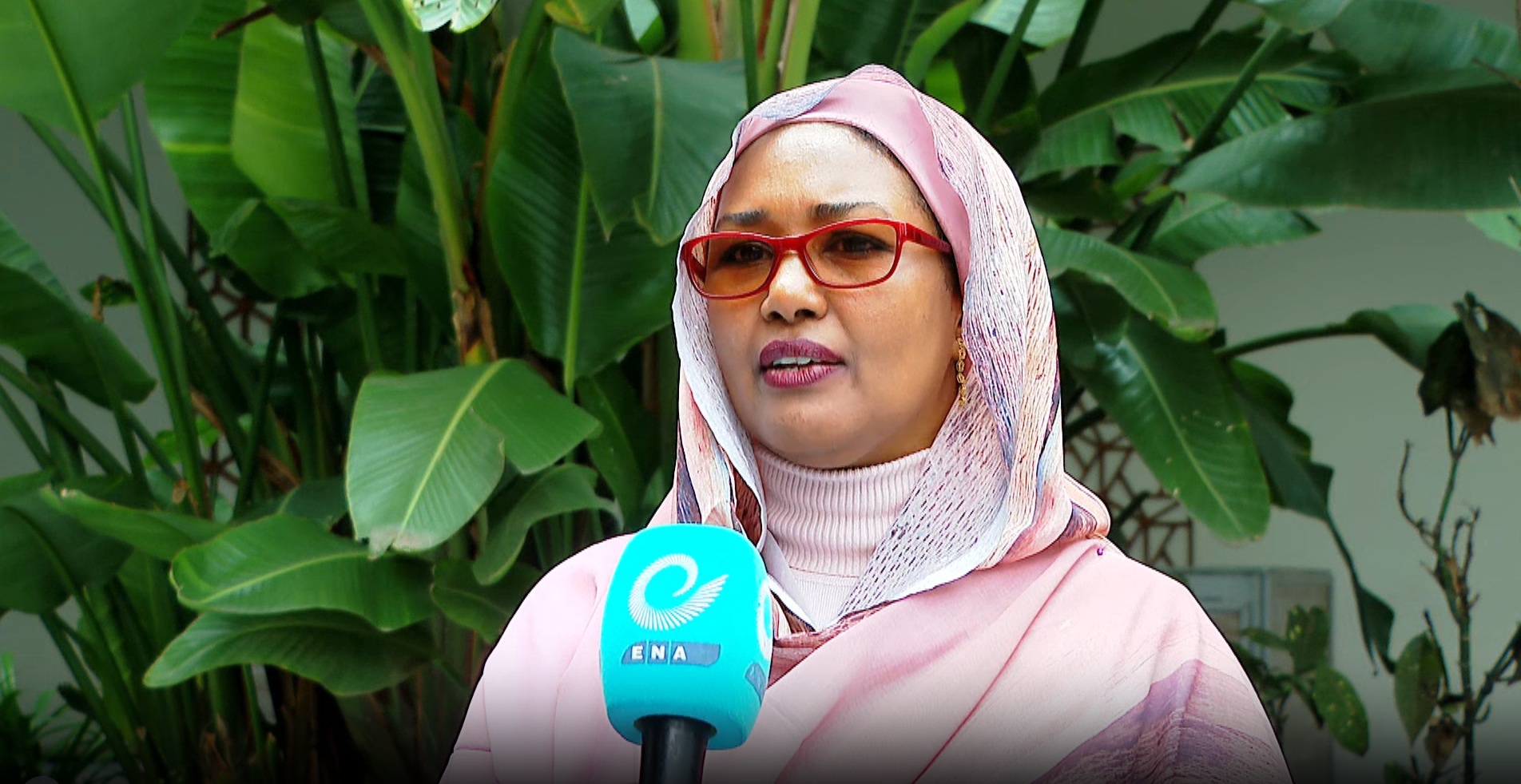
Addis Ababa, July 17, 2026 (ENA) — Officials from the African Union Interafrican Bureau for Animal Resources (AU-IBAR) have praised Ethiopia's "Bounty of the Basket" (Yelemat Tirufat) initiative as a successful model for improving food security and nutrition, urging other African countries to adopt similar approaches.
In an exclusive interview with ENA, AU-IBAR Director Huyam Salih and Economics, Trade, and Marketing Coordinator John Oppong-Otoo commended Ethiopia's efforts to expand the production of milk, eggs, honey, fruits, and vegetables through the nationwide initiative.
Huyam Salih noted that Ethiopia has demonstrated a strong commitment to transforming its livestock and agri-food sectors by integrating them directly into the country's national investment agenda.
She explained that while AU-IBAR works with all 55 African Union member states, Ethiopia's achievements under the initiative are highly encouraging.
"Ethiopia has taken a commendable step in supporting the livestock sector and making it more visible in the national investment agenda," Salih said.
She observed that because Ethiopia possesses one of Africa's largest livestock populations, the country has enormous potential to further develop its pastoral livestock systems by strengthening value addition and connecting producers with modern markets.
However, she also stressed the critical need to expand the initiative's benefits to pastoral communities across the nation.
The director also expressed concern that only a limited number of African countries are meeting their commitments under the Comprehensive Africa Agriculture Development Programme (CAADP), which includes allocating at least 10 percent of national budgets to agriculture.
She noted that Ethiopia's experience offers valuable lessons for the continent in accelerating agricultural transformation.
John Oppong-Otoo echoed these sentiments, describing Yelemat Tirufat as an outstanding initiative that demonstrates how the livestock sector should be organized.
"This is how the sector is supposed to be organized, and we see that is what the Government of Ethiopia is doing, and we commend you for that," he said.
Oppong-Otoo noted that reducing food insecurity and malnutrition remains one of Africa's foremost development priorities.
"There are a lot of our children that are malnourished. Such initiatives are an important means for addressing malnutrition and ensuring food security," he said, emphasizing the critical role of animal-source foods in improving nutrition.
"Animal-source foods provide enormous protein from dairy, eggs, and meat. These are the food products that enable us to address Africa's malnutrition and food security issues," he stated.
According to the coordinator, Ethiopia's initiative directly supports the African Union's broader agenda of improving continental food security.
"We have had the opportunity to work with the Ethiopian government," Oppong-Otoo said. "The enabling policies and business structure are making this possible, and we want other countries to start learning from this initiative."
He added that Ethiopia's achievements demonstrate the importance of supportive government policies, improved access to finance, and stronger market linkages for pastoralists and livestock producers, making the initiative a highly successful model for other African nations to replicate.