Egypt’s GERD ‘Unilateralism’ Narrative Ignores History, International Law: Al-Arousi - ENA English


Egypt’s GERD ‘Unilateralism’ Narrative Ignores History, International Law: Al-Arousi
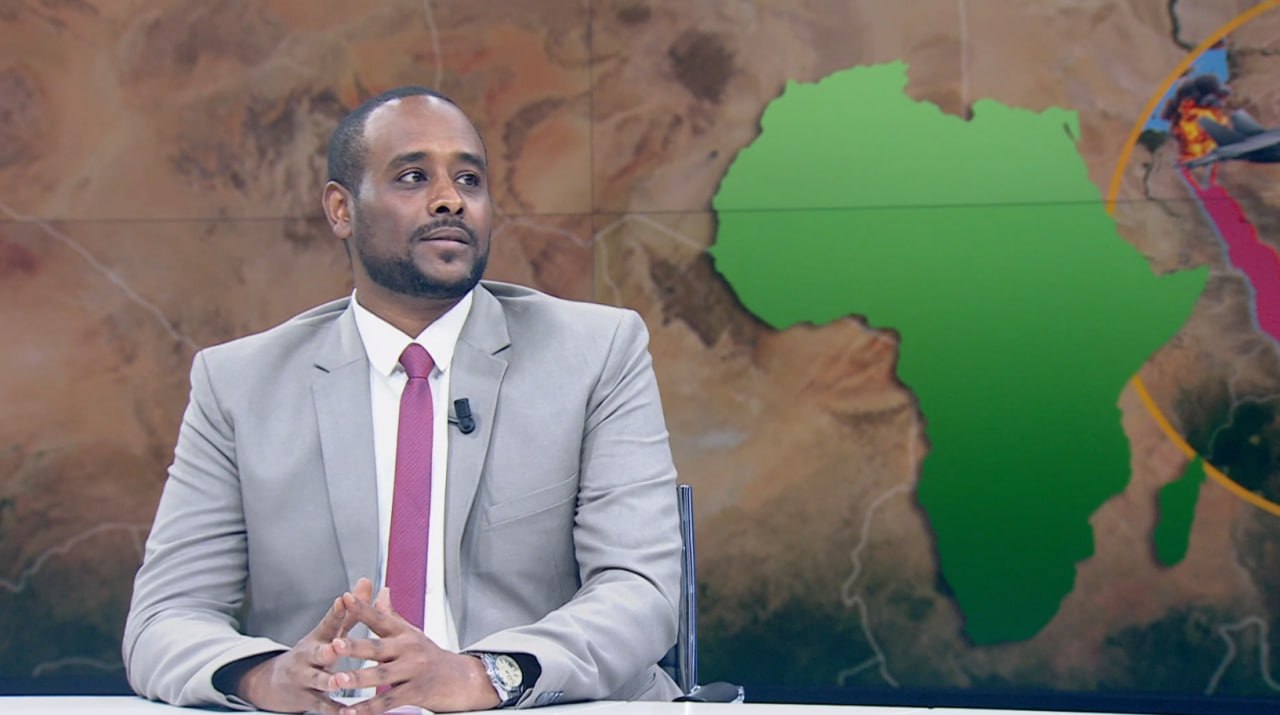
Addis Ababa, July 15, 2026 (ENA) —Egypt’s continued accusations against Ethiopia over GERD fail to reflect historical facts and the principles of equitable utilization and cooperation enshrined in international law, MP Mohammed Al-Arousi told ENA.
He further underscored that the claims overlook the development rights of upstream Nile Basin countries.
Speaking on unfounded accusation over the Grand Ethiopian Renaissance Dam GERD, Al-Arousi said portraying Ethiopia as acting alone over the Abay River distorts both historical facts and the legal framework governing shared international watercourses.
HParticularly, his remarks came in response to repeated statements by Egyptian officials, which he said reflect not legal realities but a lingering nostalgia for an era of exclusive dominance over the Abay River.
For instance, Egyptian Foreign Minister Badr Abdelatty stated that negotiations over GERD had reached a deadlock.
In that regard, Al-Arousi noted that more than 86 percent of the Abay's waters originate from Ethiopia, arguing that the country's pursuit of hydropower development reflects its sovereign right to utilize its natural resources in an equitable and reasonable manner.
"Accusing Ethiopia of unilateralism is political propaganda that contradicts our long-standing diplomatic record of patience and flexibility," Al-Arousi said.
The parliamentarian contended that the real legacy of unilateralism stems from decades of reliance on colonial-era agreements, he said.
Rejecting what he described as an outdated centuries-old narrative surrounding the Abay River, he argued that it sought to grant Egypt exclusive control over the Nile while excluding upstream countries from decisions concerning the management and use of the shared river.
According to Al-Arousi, Ethiopia's construction of the GERD represents a historic shift toward a more equitable and inclusive approach to Nile Basin water governance, replacing what he described as an outdated era of "water hegemony."
He stressed that Ethiopia engaged in GERD negotiations for more than 13 years, consistently engaging in diplomatic dialogue and demonstrating restraint despite prolonged disagreements.
During that period, he argued, negotiations were repeatedly delayed by positions taken by Egypt and at times Sudan—which he said sought to slow the project's implementation and introduce broader water allocation arrangements beyond the dam's technical scope.
Al-Arousi also pointed to the 2015 Declaration of Principles, voluntarily signed by Ethiopia, Egypt, and Sudan in Khartoum, emphasizing that Article Five provides for the filling and operation of the dam to proceed alongside ongoing consultations.
He said Ethiopia's successive filling and operational phases have been conducted in line with the agreement, making allegations of unilateral action legally and factually unfounded.
The lawmaker further underscored that the GERD was constructed entirely within Ethiopia's internationally recognized territory and financed by Ethiopians without external loans, describing it as both a national development project and a milestone in advancing equitable management of transboundary water resources.
"Ethiopia did not build merely a dam; it is rewriting the history of justice and equality in the Nile Basin," he said.
Al-Arousi also maintained that Ethiopia's position is firmly anchored in international law.
He cited the United Nations principle of permanent sovereignty over natural resources, which affirms every state's right to develop resources within its own territory, as well as the 1997 UN Convention on the Law of the Non-Navigational Uses of International Watercourses, whose core principles call for equitable and reasonable utilization of shared rivers.
He noted that Egypt is not a party to the convention, adding that contemporary international water law no longer recognizes exclusive "historical rights" derived from agreements concluded without the participation of upstream states.
Instead, he said, it is based on equitable utilization, taking into account geographic, hydrological, environmental, and developmental factors.
Al-Arousi said Ethiopia's use of the Abay River is driven by the need to expand electricity access for more than 70 million citizens who still lack reliable power.
He argued that denying upstream countries the opportunity to harness their natural resources for development has no legal, moral, or equitable basis.
He stressed Ethiopia’s firm position that the GERD represents a pathway toward sustainable growth and a fairer partnership among countries sharing the Abay River.


