Why Ethiopia's National Dialogue Could Become a Defining Moment for Peace, Unity, and Democratic Renewal - ENA English


Why Ethiopia's National Dialogue Could Become a Defining Moment for Peace, Unity, and Democratic Renewal
By Yordanos D.
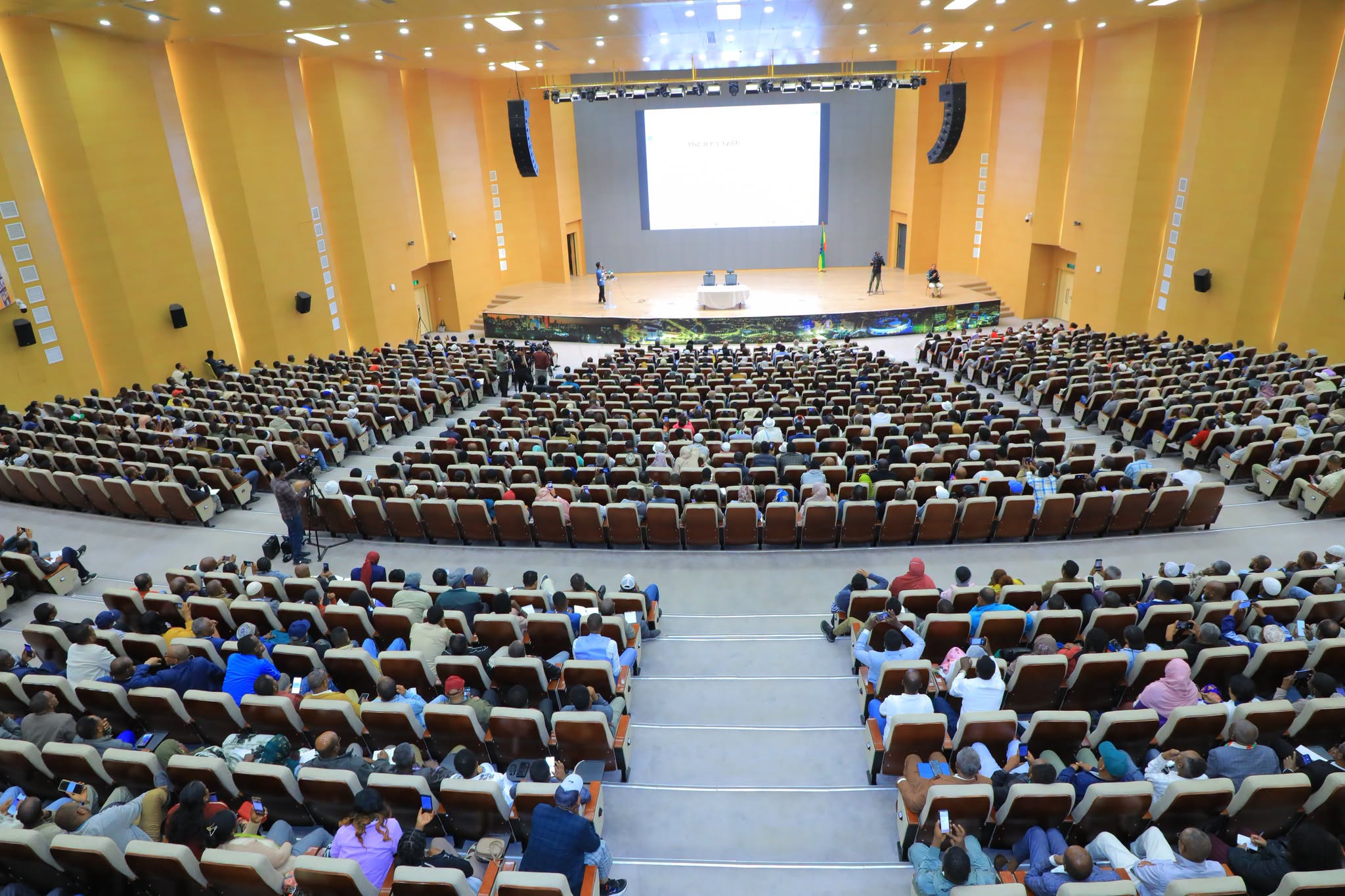
Addis Ababa, July 15, 2026 (ENA) —Ethiopia has entered a pivotal chapter in its modern political history. With the opening of the National Dialogue Conference in Addis Ababa, the country has embarked on one of its most ambitious efforts to confront longstanding political divisions through dialogue rather than conflict.
Launched by the Ethiopian National Dialogue Commission (ENDC), an independent body established by the House of Peoples' Representatives in late 2021, the conference marks the culmination of years of nationwide consultations, agenda collection, and institutional preparations. More importantly, it signals a national commitment to addressing deep-rooted challenges through inclusive engagement instead of political confrontation.
For many Ethiopians, the National Dialogue represents far more than a political gathering. It is an opportunity to resolve longstanding national disputes through peaceful discussion rather than violence and to forge a shared vision for the future of one of Africa's oldest states.
The dialogue also carries importance beyond Ethiopia's borders. As the headquarters of the African Union and a key political and economic actor in the Horn of Africa, Ethiopia's stability has direct implications for regional peace, trade, migration, and continental diplomacy. A successful dialogue would therefore resonate across Africa, offering lessons on nationally owned approaches to conflict resolution.
A New Chapter for Ethiopia
For a nation of more than 130 million people, the National Dialogue offers a rare opportunity to break with a history in which major political transitions have too often been accompanied by violence and instability. The process seeks to replace confrontation with consultation by creating a formal platform where political disagreements are addressed through dialogue, compromise, and consensus.
One of the dialogue's defining characteristics is its commitment to inclusiveness. Farmers, women, youth, internally displaced persons, religious leaders, elders, political parties, civil society organizations, academics, business leaders, and representatives of diverse communities have all been invited to participate. This broad representation gives groups that have often remained on the margins of political decision making an opportunity to contribute directly to shaping Ethiopia's future.
The Commission has also emphasized equality among participants. Official titles and positions will not be recognized during the deliberations, allowing ministers, professors, military officers, traditional leaders, and ordinary citizens to participate on equal footing.
By minimizing hierarchy, the Commission hopes to encourage open and candid discussions where every participant can freely express their views.
For historically underrepresented groups, including pastoralist communities, remote rural populations, women, and internally displaced people, the dialogue represents an unprecedented opportunity to influence national decision making.
Addressing Historical Divisions
Ethiopia's political landscape has long been shaped by competing interpretations of its history. While many celebrate the country's legacy of independence and statehood, others point to histories of political exclusion, cultural marginalization, and unequal development. These contrasting narratives have influenced political identities and contributed to recurring tensions among communities.
The National Dialogue provides a structured platform to address these sensitive issues through discussion rather than avoidance. Although it may not eliminate every disagreement, the process seeks to build greater understanding and lay the foundation for a shared national vision that respects Ethiopia's diversity while strengthening a common sense of citizenship.
The dialogue will also examine some of the country's most consequential constitutional and governance questions. To guide these discussions, the Commission has identified eight thematic pillars covering nation building, the structure of the state, the constitutional status of Addis Ababa and Dire Dawa, religious affairs, institution building, transitional justice, socio economic issues, peace building, and good governance.
Through these thematic discussions, participants will deliberate on constitutional reforms, electoral processes, peaceful mechanisms for resolving boundary disputes, and ways to strengthen democratic institutions. Equally important is the opportunity to build consensus on safeguarding the independence, transparency, and accountability of institutions such as the judiciary, electoral authorities, and law enforcement agencies, which are essential for restoring public confidence in the state.
Supporting Peace and Transitional Justice
Years of conflict have left Ethiopia confronting difficult questions about accountability, reconciliation, and national healing. Communities affected by violence seek justice for victims, while policymakers must also consider how to promote reconciliation and social cohesion.
The National Dialogue has the potential to complement Ethiopia's transitional justice process by building broad political consensus on the principles that should guide accountability and reconciliation. Rather than framing these objectives as competing priorities, the dialogue creates space to develop a balanced approach that incorporates truth seeking, justice, reparations, institutional reform, and national healing.
If implemented effectively, such a framework could help address longstanding grievances and reduce the risk of future conflict.
Regional and Continental Significance
The importance of Ethiopia's National Dialogue extends well beyond its borders.
As host of the African Union and the United Nations Economic Commission for Africa, Ethiopia occupies a strategic position in continental affairs. Greater political stability would strengthen peace and security throughout the Horn of Africa, where instability often has cross border consequences through refugee flows, insecurity, and disruptions to regional trade.
Economic gains could also be substantial. Ethiopia is one of Eastern Africa's largest markets and relies heavily on regional transport corridors, particularly through Djibouti. A more stable political environment would encourage trade, attract investment, strengthen infrastructure connectivity, and expand regional energy cooperation.
Beyond its economic and security implications, the dialogue may offer a valuable model for other African countries facing constitutional disputes, ethnic tensions, or post conflict transitions. If successful, Ethiopia's experience could demonstrate the value of inclusive, nationally led dialogue in addressing deeply rooted political divisions.
For the African Union, headquartered in Addis Ababa, a peaceful and stable Ethiopia would reinforce the effectiveness of African solutions to African challenges and strengthen confidence in continental peace and governance mechanisms.
Conclusion
The Ethiopian National Dialogue represents one of the country's most ambitious attempts to address longstanding political, constitutional, and social challenges through peaceful consultation rather than confrontation.
For Ethiopians, it offers an opportunity to replace recurring cycles of conflict with a culture of dialogue, mutual respect, and peaceful political competition. For the Ethiopian state, it provides a pathway to strengthen institutions, improve governance, and build a more inclusive constitutional order. For Africa, it stands as a significant test of whether nationally owned and African led dialogue can provide durable solutions to complex political challenges.


