Ethiopia Lifts Credit Cap, Raises Policy Rate as Central Bank Advances Monetary Reform - ENA English


Ethiopia Lifts Credit Cap, Raises Policy Rate as Central Bank Advances Monetary Reform
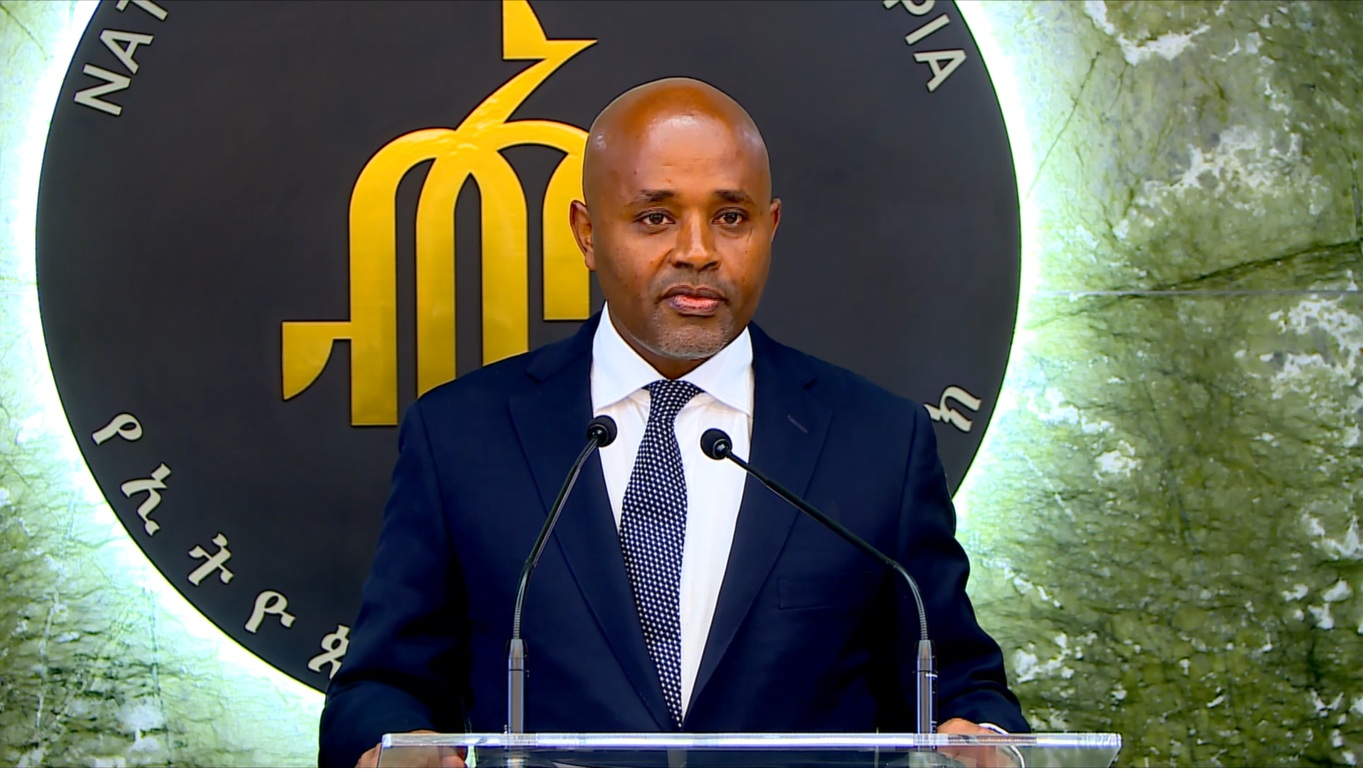
Addis Ababa, July 13, 2026 (ENA) —The National Bank of Ethiopia (NBE) has removed restrictions on how much commercial banks can lend as part of a new monetary policy package aimed at containing inflation.
The credit growth cap was first introduced in 2024 as part of the National Bank of Ethiopia’s efforts to contain inflationary pressures by limiting commercial banks’ annual credit expansion to 14 percent.
The recent measures were approved following the seventh regular meeting of the NBE’s Monetary Policy Committee (MPC).
The move is also designed to address renewed inflationary pressures while preserving Ethiopia’s economic growth momentum under its ongoing macroeconomic reform program.
NBE Governor Dr. Eyob Tekalign said the policy adjustments reflect major milestones achieved since Ethiopia launched its comprehensive economic reform program in July 2024.
He explained that the credit cap was introduced as a temporary measure during the transition period until the country developed an interest-rate-based monetary policy system.
“Since that objective has now been achieved, the National Bank of Ethiopia has decided to fully remove the credit cap. This does not represent a change in our tight monetary policy stance; rather, we will continue maintaining tight monetary conditions through indirect monetary policy instruments,” Governor Eyob said.
The MPC reviewed recent developments in inflation, economic growth, fiscal performance, the external sector, financial markets, and global economic conditions before recommending the measures, which were later approved by the NBE Board.
To reinforce its efforts to contain inflation, the Board approved a one percentage point increase in the policy rate while maintaining the existing policy corridor of plus or minus three percentage points.
The central bank will also introduce targeted additional reserve requirements for banks whose lending expansion could contribute to inflationary pressures.
Governor Eyob said Ethiopia's inflation rate has declined significantly following the 2024 reforms, reaching single-digit levels by the end of 2025 after years of price growth.
However, he noted that supply disruptions linked to the Middle East conflict and rising global fuel prices have created renewed inflationary pressures.
Headline inflation rose to 13.4 percent in May 2026, compared with 11.7 percent in April and 9.7 percent in December 2025, mainly driven by higher food prices and transportation costs.
Despite the recent increase, the governor said the broader disinflation trend reflects the impact of tighter monetary policy, fiscal discipline, and improvements in domestic production.
“We remain fully committed to restoring inflation to single-digit levels over the medium term,” Eyob said.
The governor further said Ethiopia’s economy continues to demonstrate resilience, with real GDP expanding by 9.2 percent during the 2024/25 fiscal year, supported by strong performances in industry, services, and agriculture.
The central bank projects economic growth to accelerate further to 10.2 percent in the current fiscal year, supported by continued expansion in manufacturing, electricity generation, cement production, iron and steel output, tourism, passenger transport, and freight services.
Governor Eyob said monetary and financial sector indicators show continued improvement.
Reserve money growth slowed to 43 percent, down from 66.4 percent a year earlier, while broad money growth moderated to 32.7 percent, reflecting tighter monetary conditions.
The banking sector remained resilient, supported by stronger deposit mobilization, improved loan recovery, and healthier capital positions.
Private banks’ loan-to-deposit ratio declined to 72.7 percent, from more than 90 percent in 2022/23, indicating improved liquidity management across the banking industry.
The governor also highlighted the government’s fiscal discipline as a key factor supporting monetary stability.
Since the launch of the reform program, the government has refrained from direct borrowing from the National Bank of Ethiopia, helping slow base money growth.
The overall fiscal deficit narrowed to 0.9 percent of GDP during the first ten months of the current fiscal year, compared with 2.1 percent before the reforms.
Treasury bills have increasingly become the government’s main source of domestic financing, it was indicated.
Governor Eyob further pointed to significant improvements in Ethiopia’s external sector, saying the balance of payments has shifted into surplus after years of deficits.
Export earnings have tripled, foreign exchange inflows have strengthened, and the current account deficit narrowed from 6.2 billion US dollars in 2023/24 to 1.8 billion US dollars in 2025/26.
As a result, foreign exchange reserves have increased twentyfold compared with pre-reform levels.
To improve foreign exchange market efficiency, the NBE Board reduced the foreign exchange commission rate from 2.5 percent to 1.5 percent and lowered the export proceeds surrender requirement from 50 percent to 30 percent.
Governor Eyob said the central bank will continue monitoring domestic and global economic developments, particularly inflation risks associated with international oil prices, while maintaining policies aimed at safeguarding macroeconomic stability and supporting Ethiopia’s economic transformation.
The MPC is scheduled to hold its next regular meeting at the end of September 2026, unless economic conditions require an earlier review.


