Participants Say National Dialogue Offers Opportunity for Reconciliation, Unity and Cement Peace - ENA English
Participants Say National Dialogue Offers Opportunity for Reconciliation, Unity and Cement Peace
Addis Ababa, July 9, 2026 (ENA) — Participants from across Ethiopia say the upcoming National Dialogue presents a historic opportunity to foster reconciliation, strengthen national unity, and lay the foundation for lasting peace.
Ahead of the National Dialogue Assembly, scheduled to begin on July 15, 2026, delegates from Gambella, Wolayta, Addis Ababa, Guji, North Gojjam, and other parts of the country expressed optimism that the inclusive, people-centered process will help Ethiopians address long-standing differences and build a shared future.
Speaking to ENA on arrival at the Ethiopian Public Service University, where participants are undergoing preparations before the assembly, participants said the dialogue offers an exceptional platform for citizens from diverse backgrounds to voice their views and contribute to shaping the country's future.
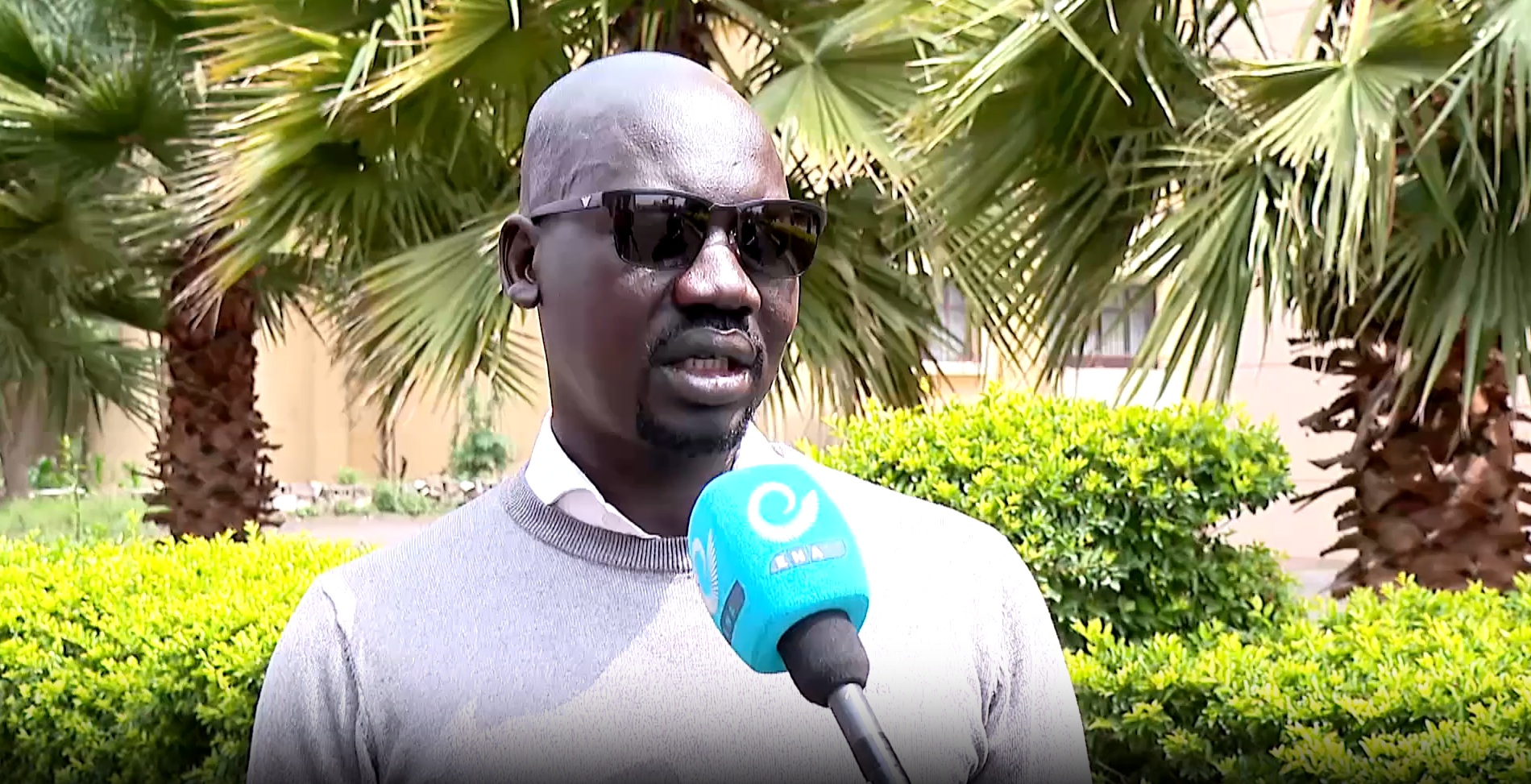
Luke Kue Yiech, a delegate from Gambella, said the dialogue stands out because of its inclusive and democratic approach. "The process of National Dialogue is good because it is participatory and democratic.
All stakeholders and public domains have been involved. This started from the grassroots level, and then, stage by stage, it has gone to the national level. There is nothing flowing from the top to the bottom."
Mintiwab Minjar, a participant from Wolayta Sodo, said the dialogue has strengthened women's confidence to actively contribute to national affairs.
"This process will be good, and in the future, we will have a good time. As a woman, for my country, I will have a strong voice to challenge and build a stronger nation." She added that the dialogue is both "a responsibility and an opportunity to secure meaningful, lasting change."
Geremew Chalka, representing Addis Ababa, said the discussions are an investment in the country's future. "
We met with hope that, as our children lead the country, they will inherit a better, improved Ethiopia, a nation that has learned from the past and built something stronger for the future."
Hanfre Kedafo, representing the Federal Influencers Group, stressed the need to replace confrontation with constructive dialogue.
"We agreed on what united us. Where we differed, we committed to respect each other, to be generous in thought, and to trust one another. Through that mutual acceptance, this country can indeed be made one."
Zerfe Bekele, a delegate from Guji Zone in Oromia Region, emphasized reconciliation and peaceful problem-solving.
" At this critical moment, through dialogue, reconciliation, and compromise, I have placed great hope in passing a strong country to coming generations."
She called on citizens to resolve differences through discussion and mutual understanding.
"Let us be citizens who discuss differences. By talking, listening, and finding solutions together, we must act. In that way, we will hand our children a peaceful, reconciled Ethiopia."
Yaregal Tadesse, a young delegate from North Gojjam, described the dialogue as a crucial step toward building a united nation. "The benefits are immense.
We can build a united Ethiopia, work together, and fully address our problems. This process will lay the foundation we must pass on to the next generation," Yaregal added.
Participants, including members of the Ethiopian diaspora, will convene at the Addis International Convention Centre for the National Dialogue Assembly, where eight major national agenda items will be deliberated.
The National Dialogue Commission has called on participants to engage respectfully, embrace consensus where possible, and translate discussions into practical actions, emphasizing that sustained dialogue remains the most viable path toward lasting peace, reconciliation, and national cohesion.