Ethiopian House Speaker Calls for Renewed Multilateralism to Strengthen Collective Security - ENA English


Ethiopian House Speaker Calls for Renewed Multilateralism to Strengthen Collective Security
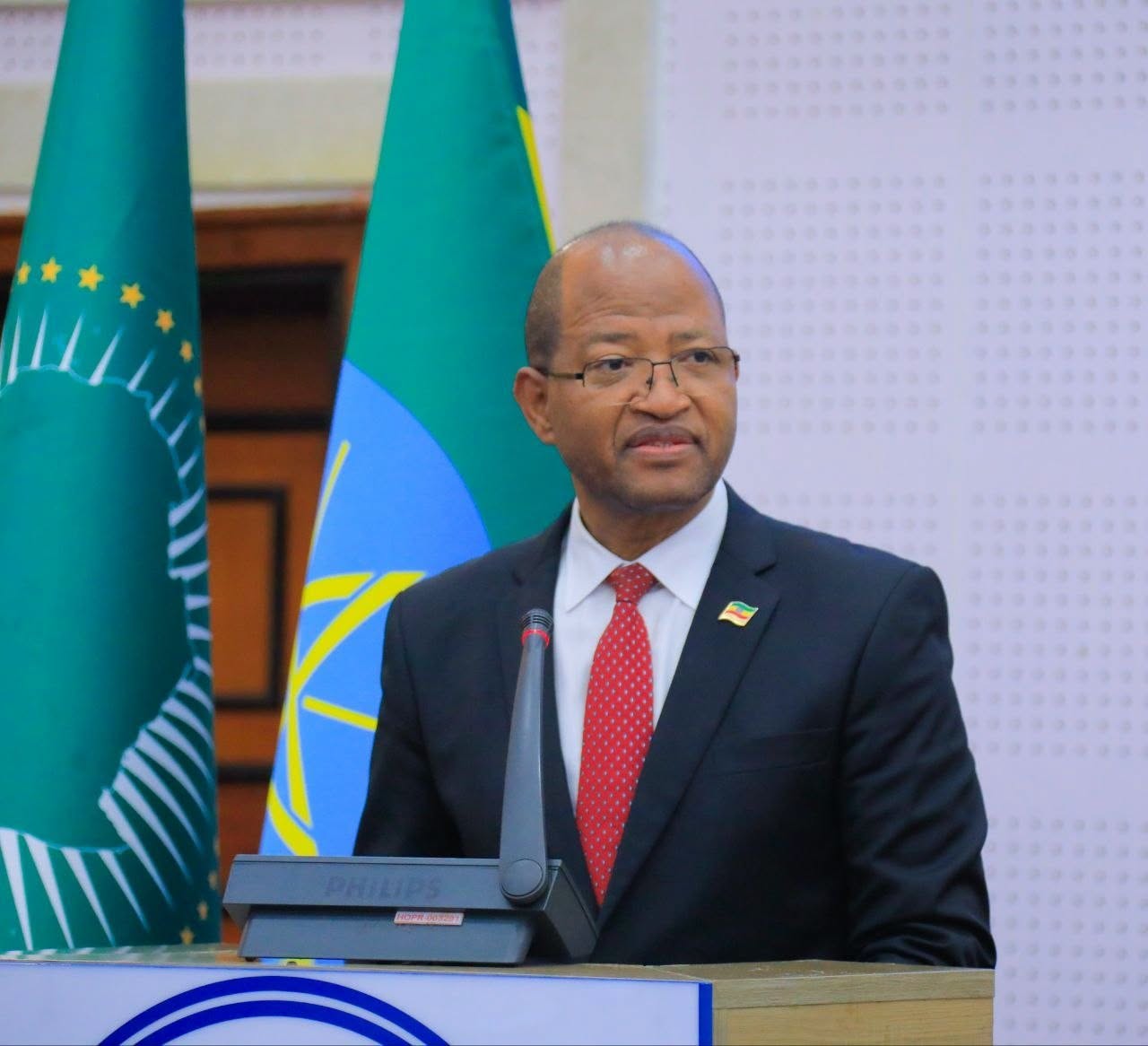
Addis Ababa, July 10, 2026 (ENA) —Ethiopia on Friday called for stronger international partnerships and renewed commitment to multilateral cooperation to confront an increasingly complex global security environment.
Lawmakers, intelligence officials, cybersecurity experts, and policymakers from across the world convened in Addis Ababa for the Parliamentary Intelligence-Security Forum (PI-SF).
The two-day forum, hosted at House of People's Representatives, brings together parliamentarians from several countries, heads of intelligence and security institutions, senior cybersecurity specialists, representatives of international financial institutions, and technology companies to discuss evolving global threats ranging from terrorism and cybercrime to artificial intelligence and geopolitical instability.
Ethiopia was selected to host the gathering in recognition of its strategic diplomatic role within Africa's peace and security architecture, as well as its growing leadership in digital transformation and technology governance.
The country is the second African nation to host the forum after Kenya.
Opening the event, Speaker of House of People's Representatives Tagesse Chaffo stressed that today's security threats transcend national borders and require collective action.
"Collective security is increasingly interconnected, and solutions to our shared challenges will depend on partnership, trust, solidarity, and a renewed commitment to multilateral cooperation," he said.
The Speaker noted that the forum reflects a growing international recognition that intelligence and security governance must be anchored in democratic oversight, accountability, public trust, and effective parliamentary engagement.
He described the gathering as particularly significant because legislatures play a central role in approving security budgets, enacting legislation, and ensuring oversight of intelligence institutions.
Tagesse said the forum comes at an important moment for Ethiopia following what he described as peaceful and transparent general elections, reaffirming the country's commitment to constitutional governance, democracy, and the rule of law.
He warned that the global security landscape has become increasingly interconnected, with terrorism, cybercrime, human trafficking, migrant smuggling, public health emergencies, and attacks on critical infrastructure posing shared challenges that no country can address alone.
Speaking the Horn of Africa, the Speaker said the region continues to face violent extremism, protracted conflicts, irregular migration, climate-related pressures, and governance gaps that are exploited by non-state armed groups and terrorist organizations.
While emphasizing the importance of strengthened regional and international security cooperation, he stressed that lasting peace requires addressing the root causes of instability.
The speaker also stressed the need for addressing poverty, unemployment, exclusion, weak governance, and limited economic opportunities for lasting peace and security.
He reaffirmed Ethiopia's commitment to regional peace initiatives and combating transnational threats through a prevention-oriented approach that strengthens governance, combats human trafficking and irregular migration, and safeguards human dignity while promoting safe, orderly, and regular migration.
Highlighting the growing link between health security and national stability, Tagesse said Ethiopia is reinforcing disease surveillance, emergency preparedness, and rapid response systems as part of its broader national security strategy.
He also underscored Ethiopia's investments in digital transformation through its Digital Ethiopia 2030 agenda, saying the country is advancing responsible, human-centered artificial intelligence while strengthening cybersecurity resilience.
The Speaker further pointed to rising concerns surrounding energy security and critical minerals, calling for governance founded on equity, transparency, sustainability, and mutual benefit.
He expressed confidence that the Parliamentary Intelligence-Security Forum would strengthen collaboration to enhance collective responses to emerging global challenges.
Addressing the forum, U.S. Ambassador to Ethiopia Ervin Massinga said today's security threats are increasingly global, interconnected, and rapidly evolving, making international cooperation indispensable.
He noted that parliamentarians occupy a unique position in strengthening national and international security by shaping legislation, allocating resources, and promoting cross-border cooperation.
Massinga stressed that information sharing has become essential to counter transnational cybercrime, trafficking networks, and other cross-border criminal activities.
He also emphasized the importance of transparency, cautioning that opaque agreements, dual-use technology exports, and surveillance-related arrangements could pose risks to governance and national sovereignty.
Calling for harmonized legal frameworks, stronger law enforcement cooperation, and enhanced cross-border data sharing, the ambassador reaffirmed the United States' commitment to deepening its partnership with Ethiopia in addressing shared security challenges.


