The Axe and Woodcutter: Who Keeps Tigray in Crisis? - ENA English


The Axe and Woodcutter: Who Keeps Tigray in Crisis?
July 9, 2026 (ENA)
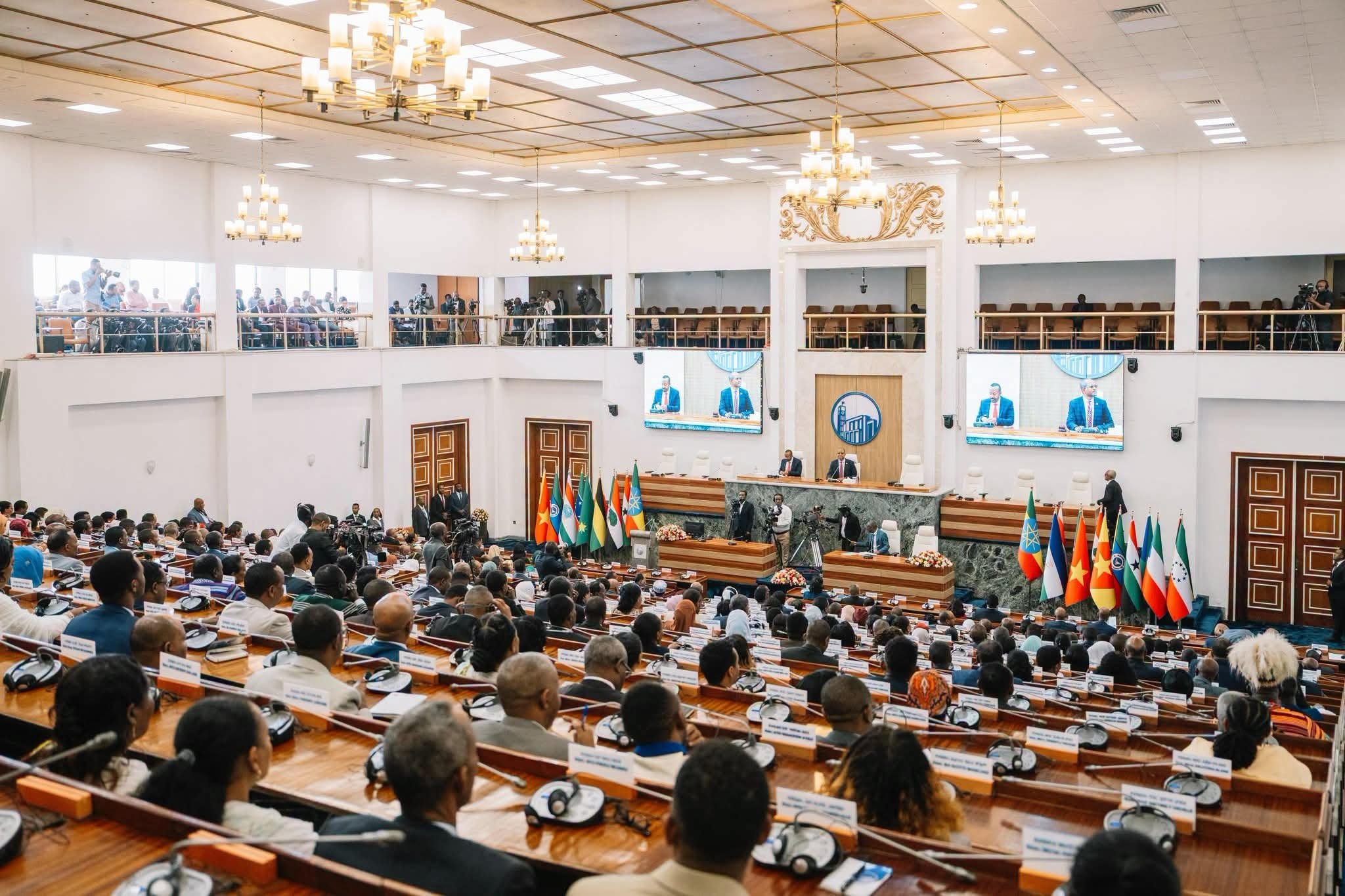
In his address to Parliament earlier this week, Ethiopian Prime Minister Abiy Ahmed, made a revealing assessment of the disquiet that perpetuates in the country’s northernmost region of Tigray, saying that the instigator is a foreign ilk.
Prime Minister Abiy Ahmed’s remarks vividly underscore the significance of the 2022 Pretoria Agreement as a landmark achievement in Ethiopia’s ongoing journey toward peace and stability.
With lively and resolute language, he describes this accord as a “far-reaching, vital peace pact” that successfully brought together the victors and the vanquished at the negotiation table—a rare feat in a region often marred by conflict and division.
Signed on November 2, 2022, in Pretoria, South Africa, and brokered by the African Union, the agreement marked the end of two tumultuous years of conflict in northern Ethiopia, offering a beacon of hope not only for Ethiopia but for the Horn of Africa as a whole.
The Pretoria Agreement, officially titled the “Agreement for Lasting Peace through a Permanent Cessation of Hostilities,” was more than a mere diplomatic document; it was a testament to the power of dialogue and perseverance.
PM Abiy emphasizes that the deal was “a price paid for the sake of bringing about durable peace and stability,” highlighting the sacrifices and diplomatic efforts that went into forging this historic peace.
As the outgoing sixth legislature wraps up its final year, with new elections and a fresh parliament on the horizon, the Prime Minister’s reflections serve as a reminder of the strides Ethiopia has made in its turbulent path toward reconciliation. The agreement’s successful implementation is a testament to the resolve of Ethiopians and their leaders, committed to healing wounds inflicted by years of internal strife.
One of the key achievements of the Pretoria Agreement, according to the Premier, is the establishment of the Interim Administration of Tigray region, a crucial step toward restoring governance and fostering peace within the region. The agreement also facilitated the rehabilitation of more than 60,000 internally displaced persons, a significant milestone that underscores the tangible benefits of peace for ordinary citizens.
This process was carried out in line with the Disarmament, Demobilization, and Reintegration (DDR) drive—an ambitious effort to disarm combatants, reintegrate ex-fighters into civilian life, and promote stability. The successful demobilization of no fewer than 60,000 combatants, along with the release of many prisoners and detainees, exemplifies the concrete results that can be achieved through genuine dialogue and mutual understanding.
Prime Minister Abiy underscores that the Pretoria Agreement was not just an ordinary negotiation, but a “major peace initiative” that produced “tangible results.” It created a forum where opposing sides—those who had been at war—sat together as equals, engaging in dialogue that prioritized reconciliation over conflict.
The Blade, Haft and Woodcutter
Yet, despite these positive strides, the situation in Tigray remains complex and challenging. Prime Minister Abiy uses a vivid metaphor to describe the ongoing tensions: comparing the situation to an axe, where “the blade moves as the haft moves, with the real mover being the woodcutter,” implying external influences are pulling the strings.
The Prime Minister accuses foreign actors of meddling in Ethiopia’s internal affairs. He described the order takers as folks who have sent their children abroad and forced Tigrayans into dangerous roles. This metaphor vividly captures the external pressures and manipulations perceived by Ethiopia’s leadership, emphasizing that the internal faultlines is being exploited by outside forces seeking to destabilize the region permanently .
Despite these challenges, PM Abiy remains steadfast in his government’s resolve to address the root causes of the conflict. He affirms that Ethiopia is aware of the underlying issues fueling tensions in Tigray and that decisive measures will be taken to find a lasting solution. His tone reflects a mix of resilience and optimism: Ethiopia, he suggests, is committed to overcoming external and internal obstacles to achieve peace and stability.
Internationally, Ethiopia’s peace process has garnered support and concern. The United States, for example, has recently imposed visa restrictions targeting extremist leaders within the Tigray People’s Liberation Front (TPLF) and their immediate families. Announced by the U.S. State Department, these sanctions are a response to actions that threaten to undermine the peace process and reignite conflict. The visa bans target individuals deemed responsible for obstructing peace and violating agreements, signaling strong international concern over ongoing violations—such as unilateral political control over Tigray, inflammatory rhetoric, militarization, and forced recruitment.
The U.S. stance underscores the importance of adherence to the Pretoria Agreement and the need for accountability among all parties. Washington has made it clear that continued violations and warmongering will lead to further international isolation, reinforcing the message that peace in Ethiopia is a shared responsibility requiring genuine commitment from all stakeholders. The restrictions extend to immediate family members, emphasizing that peace efforts are delicate and must involve accountability at every level.
In a nutshell, Prime Minister Abiy Ahmed’s comments paint a picture of cautious optimism rooted in tangible achievements and a firm resolve to overcome ongoing challenges. The Pretoria Agreement stands as a testament to Ethiopia’s capacity for reconciliation and diplomacy, providing a foundation upon which the nation can build lasting peace.
While external influences and internal tensions persist, Ethiopia’s leadership remains committed to resolving conflicts decisively, guided by the lessons of dialogue, resilience, and the unwavering hope for a peaceful future. The road ahead may still be fraught with difficulties, but Ethiopia’s journey toward stability, as articulated by Prime Minister Abiy, is a story of perseverance, diplomacy, and the unyielding spirit of its people.


